
 EN
EN
 ar
ar bg
bg hr
hr cs
cs da
da nl
nl fi
fi fr
fr de
de el
el hi
hi it
it ko
ko no
no pl
pl pt
pt ro
ro ru
ru es
es sv
sv tl
tl iw
iw id
id lv
lv lt
lt sr
sr sk
sk sl
sl uk
uk vi
vi et
et hu
hu th
th tr
tr fa
fa ms
ms hy
hy ka
ka ur
ur bn
bn mn
mn ta
ta kk
kk uz
uz ku
ku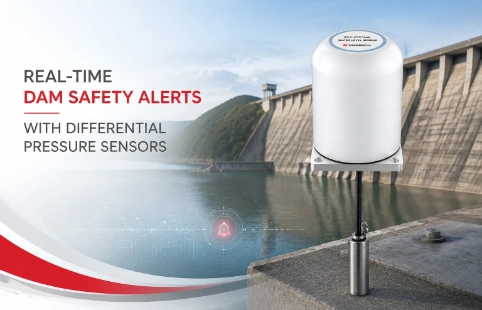
Real-Time Dam Safety Alerts with Differential Pressure Water Level Sensors
Key Takeaways An alert chain needs more than a sensor: define field in...

Wheatstone Bridge Strain Gauges for Field Monitoring
When a tunnel shifts or a dam settles, engineers don’t guess—they measure. And at the heart of most precise strain measurements is the Wheatstone bridge circuit. Kingmach builds strain gauge sensors around this proven principle, adapting it for the rough conditions of geotechnical projects. This technology cancels out temperature effects and lead wire resistance, delivering stable readings even when cables run hundreds of meters back to a datalogger. Over the years, we’ve learned that no two sites are the same. That’s why we keep our Wheatstone bridge strain gauge designs flexible—changing gauge length, backing material, or bridge completion resistors to match the job. Whether it’s monitoring stress in a tunnel lining or tracking strain on retaining walls, these sensors quietly do their job under concrete, soil, and water. Our technical support team helps with wiring, calibration, and interpreting that tiny resistance change into actionable engineering data.
Technical Detail
Strain gauge Wheatstone bridge sensors from Kingmach are built around a simple idea: a tiny change in resistance tells you a lot about what’s happening inside a structure. The Wheatstone bridge—usually a full bridge configuration—converts that sub-milliohm shift into a measurable voltage output. We offer both bonded foil and vibrating wire strain gauges with internal full bridges, fixed in place during construction or retrofitted on existing steel and concrete surfaces. Common base resistance options include 120Ω and 350Ω, with gauge lengths from 50 mm up to 250 mm for coarse aggregate concrete. For long-term installations, moisture and chemical attacks are real problems; our sensors use stainless steel housings, epoxy potting, and heavy-duty cable jackets to keep the bridge circuit protected. Customization is part of how we work. If your project needs a half-bridge output, a different lead wire length, or a specific connector, we adjust the design without much fuss. Temperature compensation is built in by matching the gauge factor and selecting self-temperature-compensating alloys for the intended structural material—steel, concrete, or aluminum. The output is typically mV/V, easy to read with most dataloggers, or we can integrate a signal conditioner to provide 4–20 mA or digital outputs. Kingmach ships these sensors globally, with calibration sheets and installation guidance included. Our technical support extends past delivery; we help with troubleshooting erratic readings, unbalanced bridges, and cable splicing in the field. Applications range from pile load tests and foundation settlement to bridge bearing displacement and rock bolt pull tests. The Wheatstone bridge doesn’t need software updates or batteries, which is why it’s still the go-to for structural health monitoring after all these years.
News
Key Takeaways An alert chain needs more than a sensor: define field in...
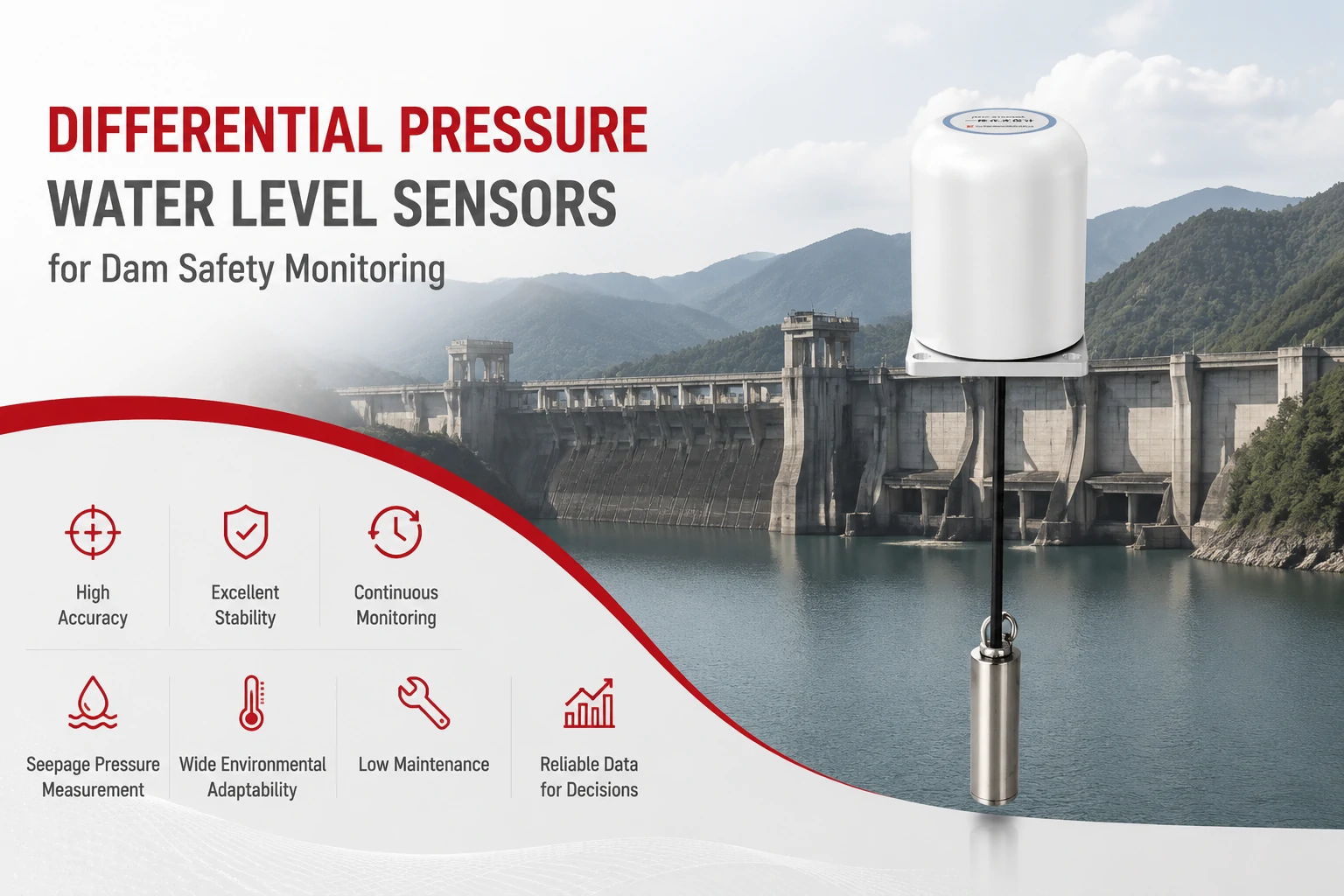
Key Takeaways The strongest fit is usually a confined, submerged, or s...
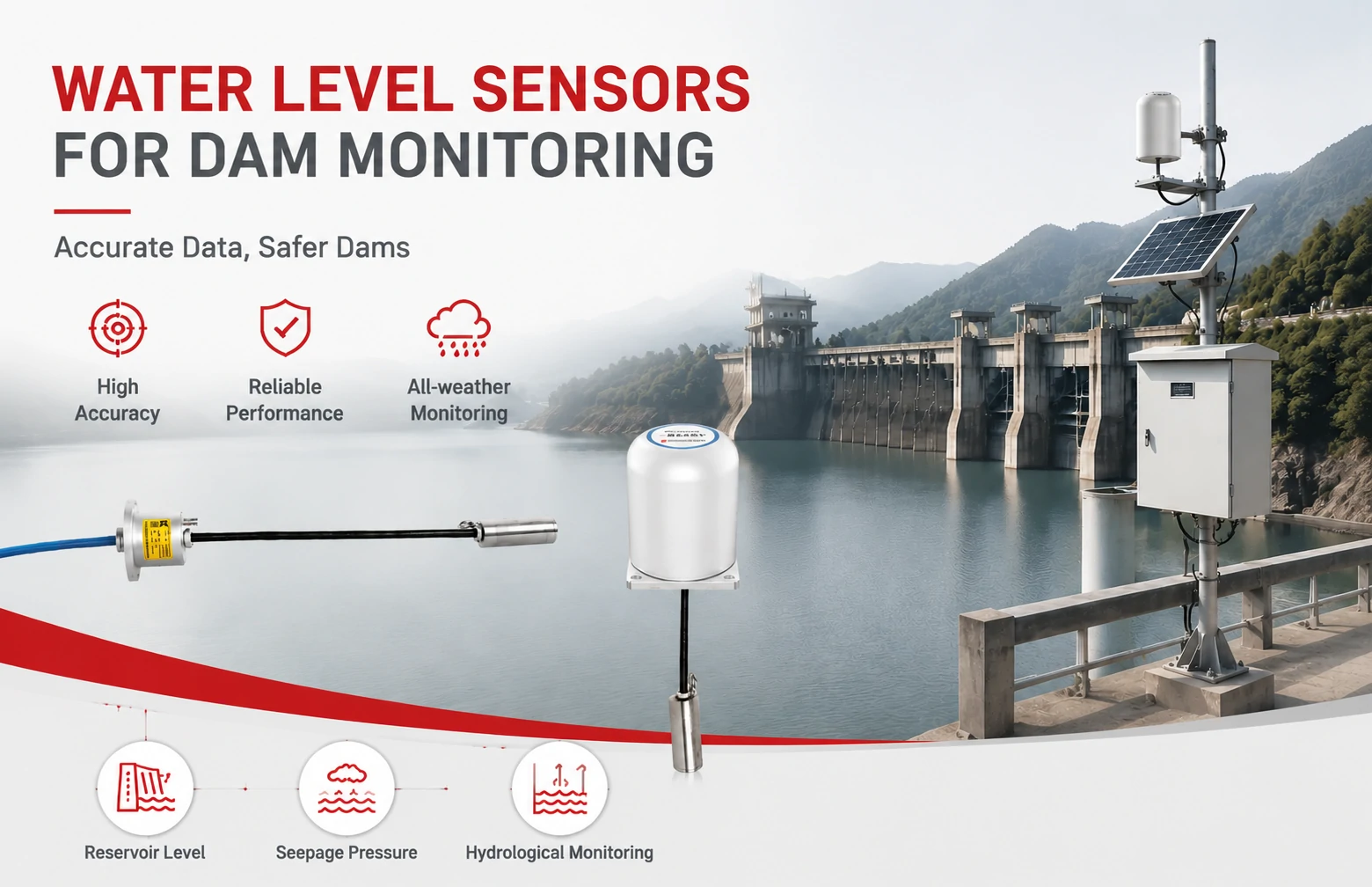
Kingmach Water Level Sensors for Dam Monitoring: A Buyer's Guide to Differential Pre...
Products
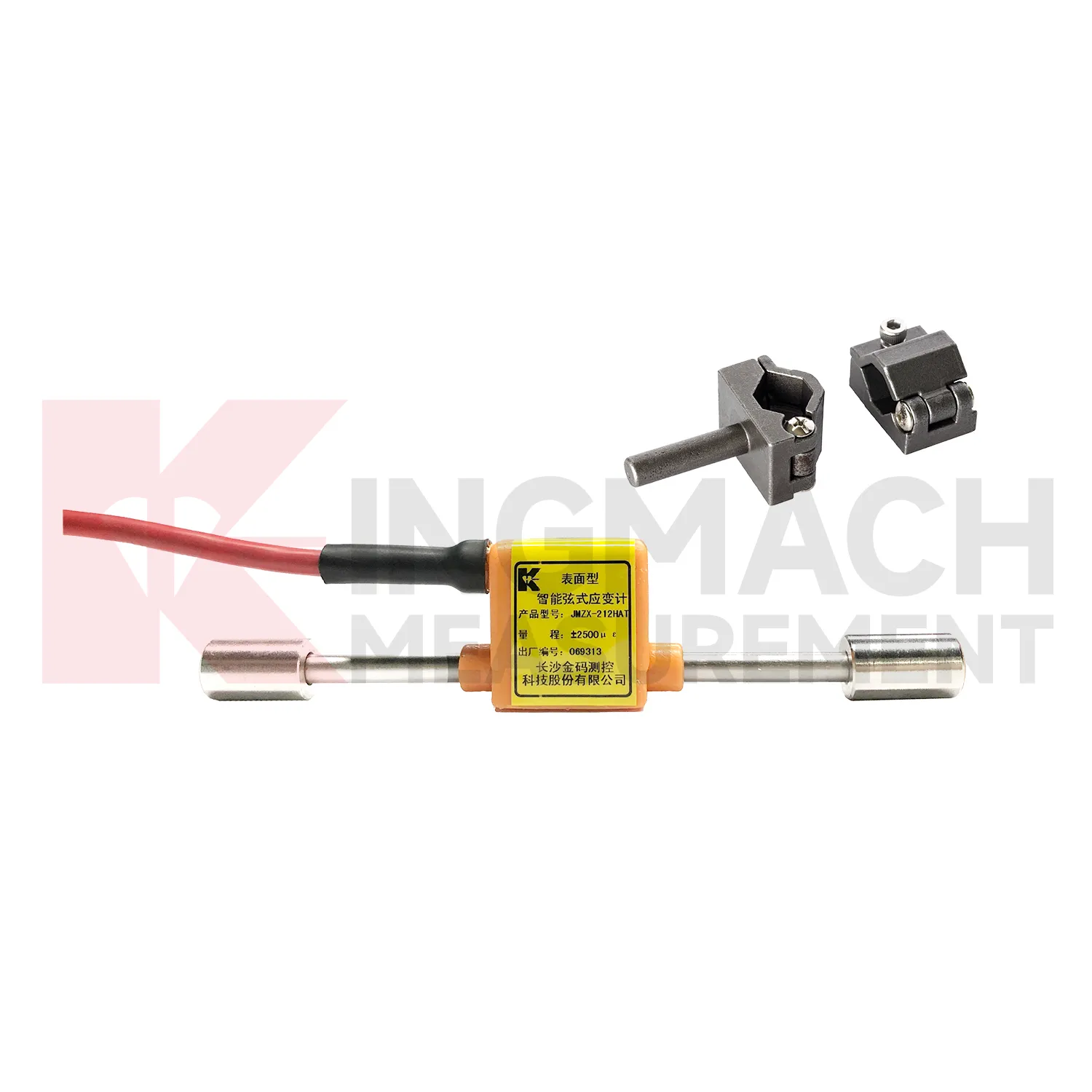
Smart vibrating wire strain gauge (surface model) JMZX-212HAT/HB
View Details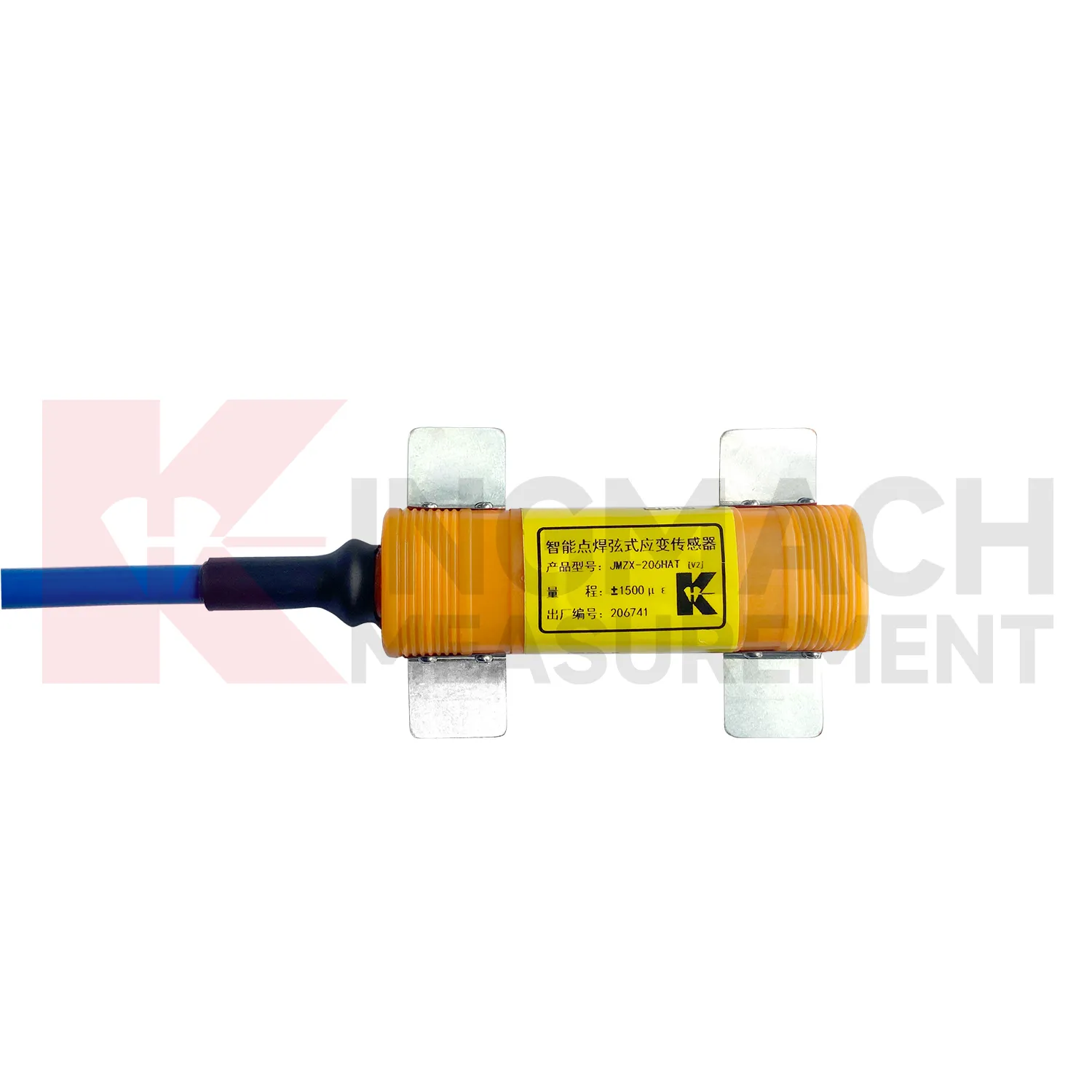
Smart vibrating wire strain gauge (surface welded model) JMZX-206HAT
View Details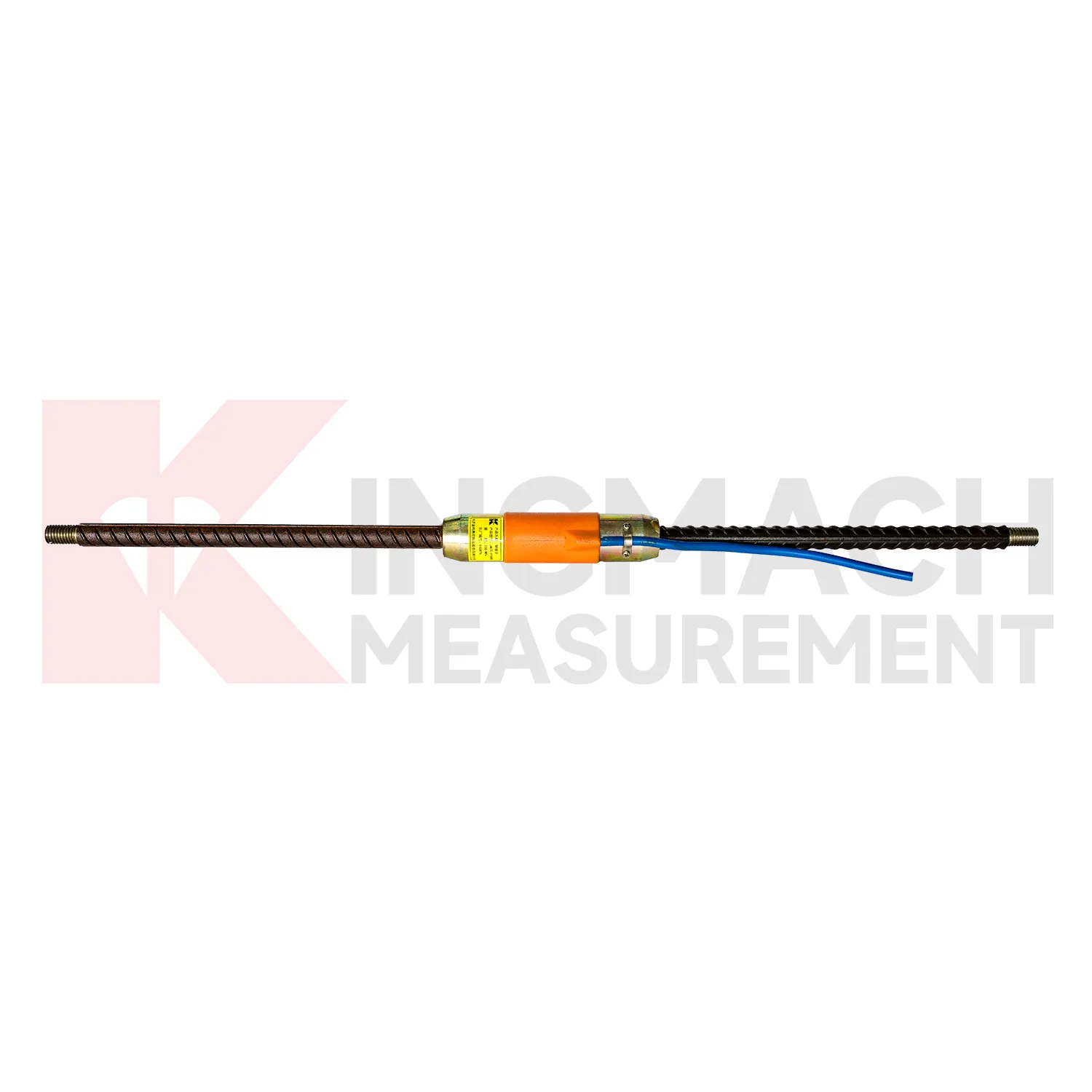
Rebar Strainmeters ( VW & Smart Type) JMZX-4XXHAT/HB
View DetailsFAQ
Measuring tiny resistance changes directly is slow and prone to noise. The Wheatstone bridge subtracts the unstrained resistance, amplifies only the change, and rejects common-mode interference like temperature drift. In a full-bridge arrangement, you double the output sensitivity and cancel out thermal effects—especially useful when cables run long distances and environmental swings are large.
In practice, it’s about power and current. A 350Ω gauge draws less current at a given excitation voltage, so it self-heats less and is often used on plastics or composites that don’t dissipate heat well. 120Ω gauges are still common on steel and concrete where thermal conductivity is higher, and they can be read by most portable strain indicators. Both work fine in a full bridge; the choice usually comes down to matching existing instrumentation or minimizing excitation voltage drop in long cables.
Yes. While full-bridge gives the best accuracy, certain setups—like measuring bending strain with one active gauge on a small part—call for a quarter- or half-bridge. We can build the sensor with the required completion resistors or dummy gauges inside the housing, and label the wiring accordingly. Just let us know your datalogger’s input capabilities and lead wire length, and we’ll sort out the balance and sensitivity.
The standard output is mV/V, also called ratiometric voltage—so you’ll need a datalogger that accepts full-bridge inputs. If your system prefers a 4–20 mA current loop or Modbus, we can supply a signal conditioner module mounted near the sensor or in a central cabinet. Some of our wireless monitoring packages include an integrated bridge amplifier and node. When ordering, specify the output type and cable length, and we’ll handle the signal conversion and scaling.
Share your product type, target capacity, and application requirements. Our team can review the details and recommend a practical next step.
If you are interested in our products or want to become our partner.
Please leave your contact information, our team will contact you as soon as possible.
Mail: [email protected]
Contact Us: +8613808434127
Address: No. 188 Tongzipo West Rd, Changsha, Hunan, China