
 EN
EN
 ar
ar bg
bg hr
hr cs
cs da
da nl
nl fi
fi fr
fr de
de el
el hi
hi it
it ko
ko no
no pl
pl pt
pt ro
ro ru
ru es
es sv
sv tl
tl iw
iw id
id lv
lv lt
lt sr
sr sk
sk sl
sl uk
uk vi
vi et
et hu
hu th
th tr
tr fa
fa ms
ms hy
hy ka
ka ur
ur bn
bn mn
mn ta
ta kk
kk uz
uz ku
ku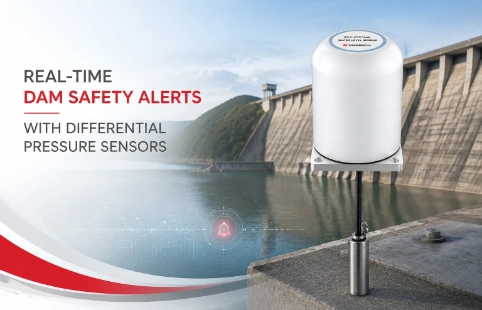
Real-Time Dam Safety Alerts with Differential Pressure Water Level Sensors
Key Takeaways An alert chain needs more than a sensor: define field in...

Wireless Data Loggers for Reliable Remote Data Collection
Most monitoring projects hit a wall when cables become impractical. Kingmach’s wireless data loggers bypass that constraint, feeding sensor readings straight into your system without trenching or conduit. These units handle everything from pore pressure to tilt, transmitting on a schedule you set. We build them on a platform that adapts to your project’s sensor mix and reporting needs—no rigid, one-size-fits-all boxes. Whether you’re tracking a single parameter or a dozen, the same logger family scales. Setup is streamlined, and the built-in diagnostics flag sensor faults before they skew data. Support teams, spread across time zones, help with integration and troubleshooting. It’s an approach that puts rugged, low-maintenance data flow at the center of your monitoring program.
Technical Detail
Kingmach wireless data loggers collect and forward readings from geotechnical and structural sensors. The design centers on compatibility—vibrating wire, analog, digital, and SDI-12 sensors all connect to the same unit. Logging intervals can be set from seconds to hours, with onboard storage holding months of data as a buffer against network outages. Transmission uses cellular (4G/3G/2G fallback) or LoRaWAN, and the system pushes data to your server via FTP, MQTT, or HTTP. Remote configuration cuts down site visits: you can adjust sample rates, thresholds, and alarm rules from a browser. Power comes from external batteries or solar panels; sleep modes and selectable measurement windows stretch runtime. Enclosures are IP67-rated with cable glands that keep moisture and dust out. Alarm logic triggers SMS or email alerts when readings cross setpoints. Historical data is timestamped and synced to UTC, so multi-site projects stay coordinated. Calibration factors are stored on the logger, and firmware updates deploy over the air. We preconfigure units before shipping and provide full documentation. For projects that need odd channel counts or special certification, customization is part of the standard workflow—no minimum order hurdles. Technical support and after-sales service are available through our global distributor network.
News
Key Takeaways An alert chain needs more than a sensor: define field in...
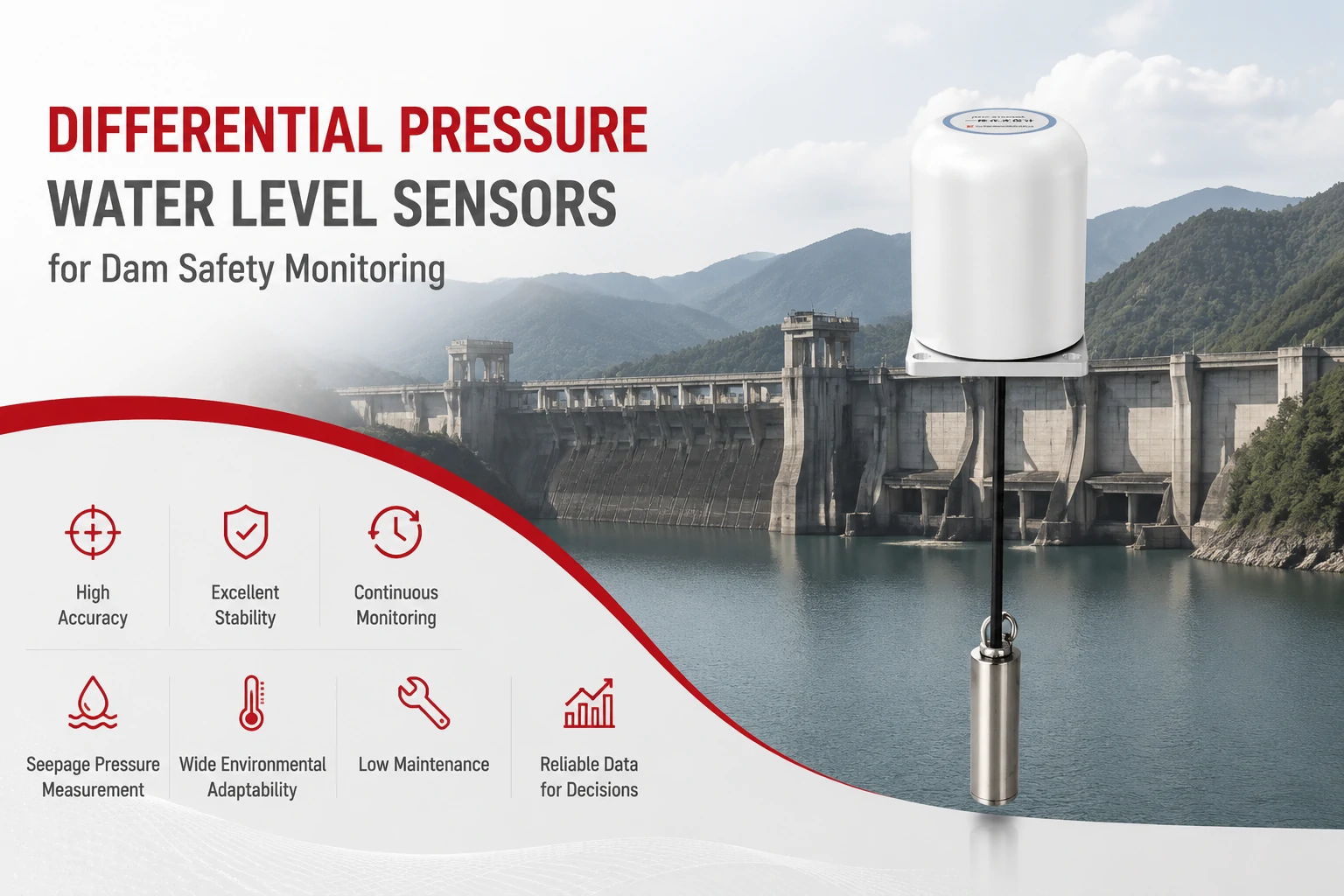
Key Takeaways The strongest fit is usually a confined, submerged, or s...
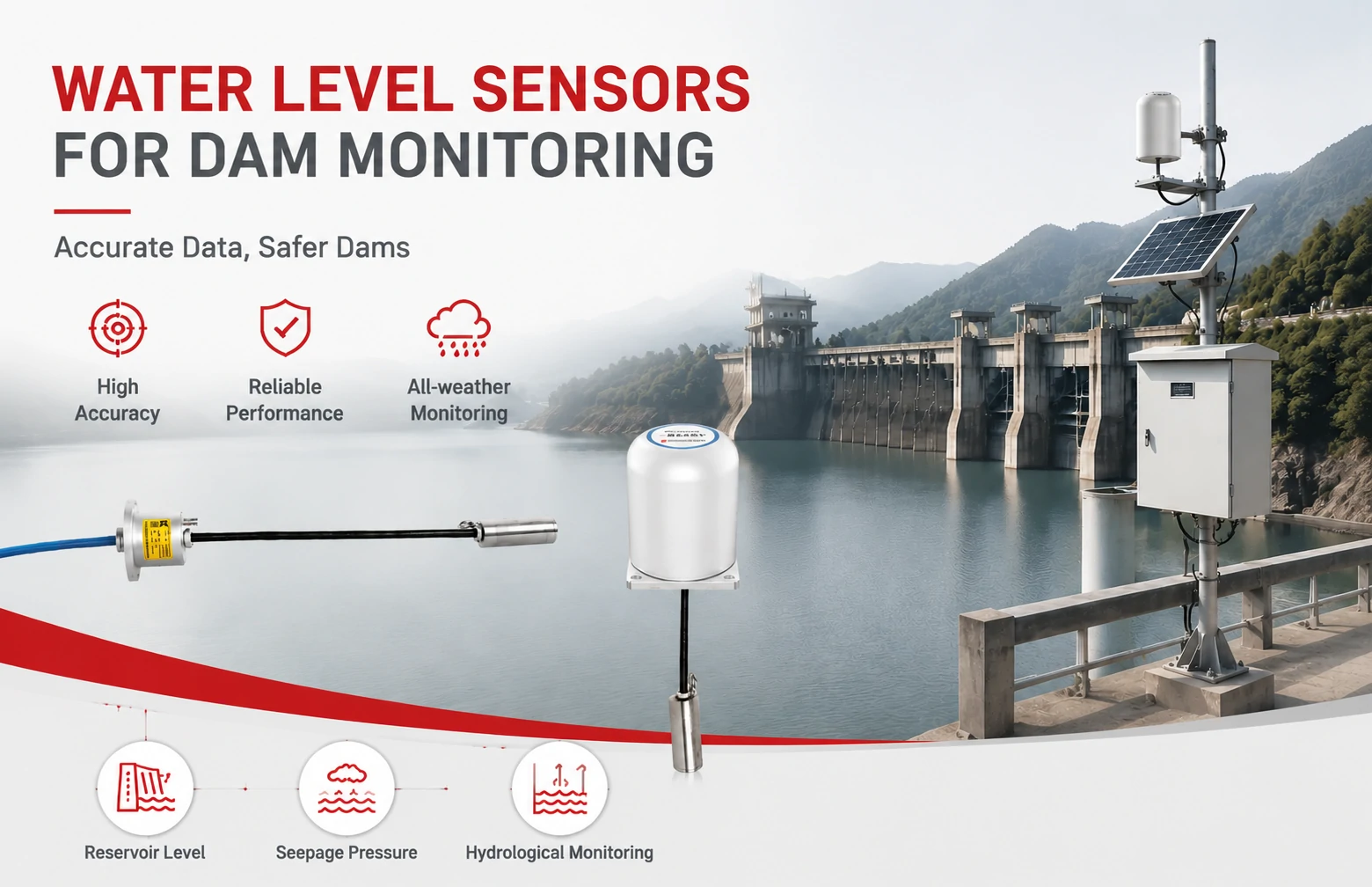
Kingmach Water Level Sensors for Dam Monitoring: A Buyer's Guide to Differential Pre...
Products
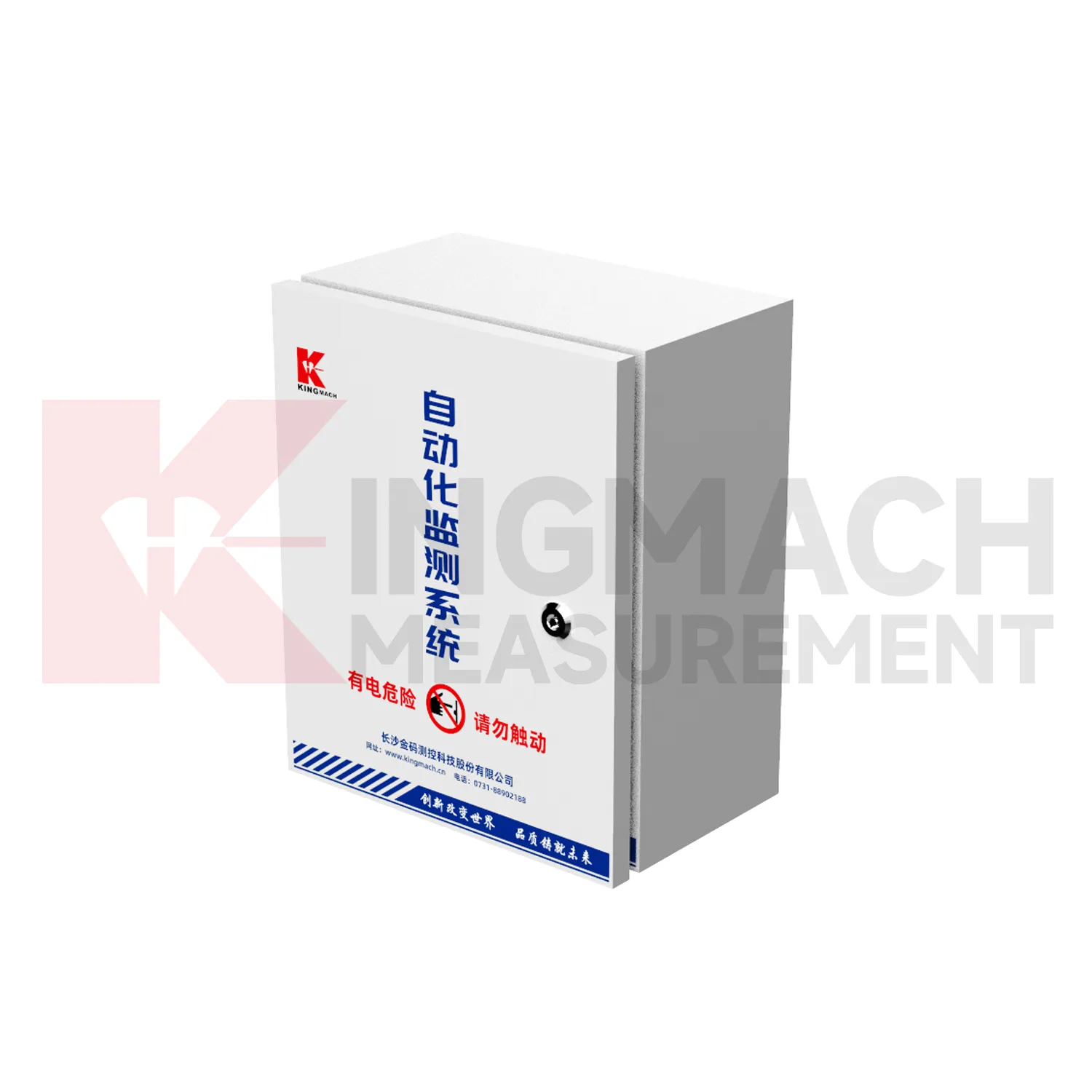
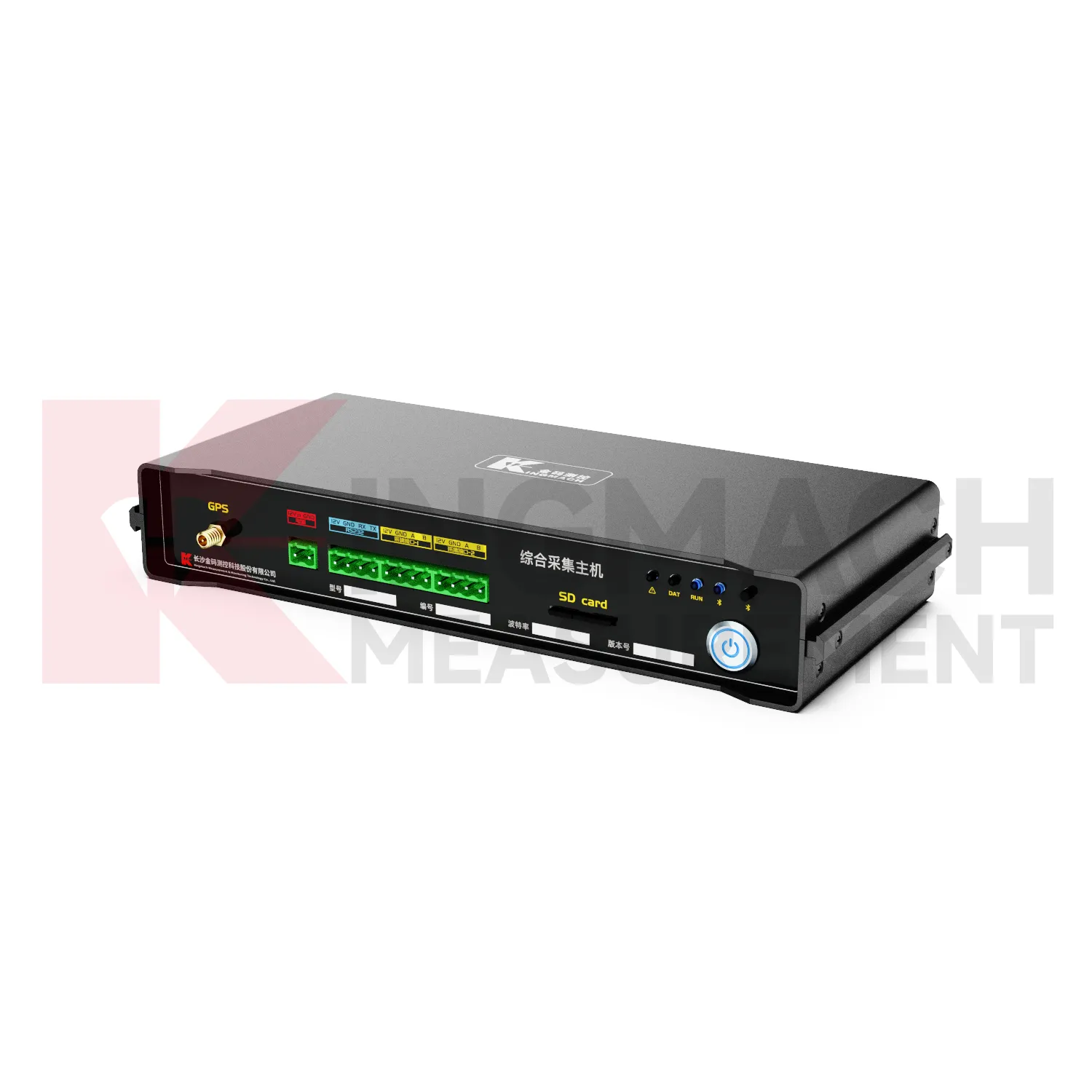
Comprehensive Acquisition Host Unit JMZX-5ZH
View Details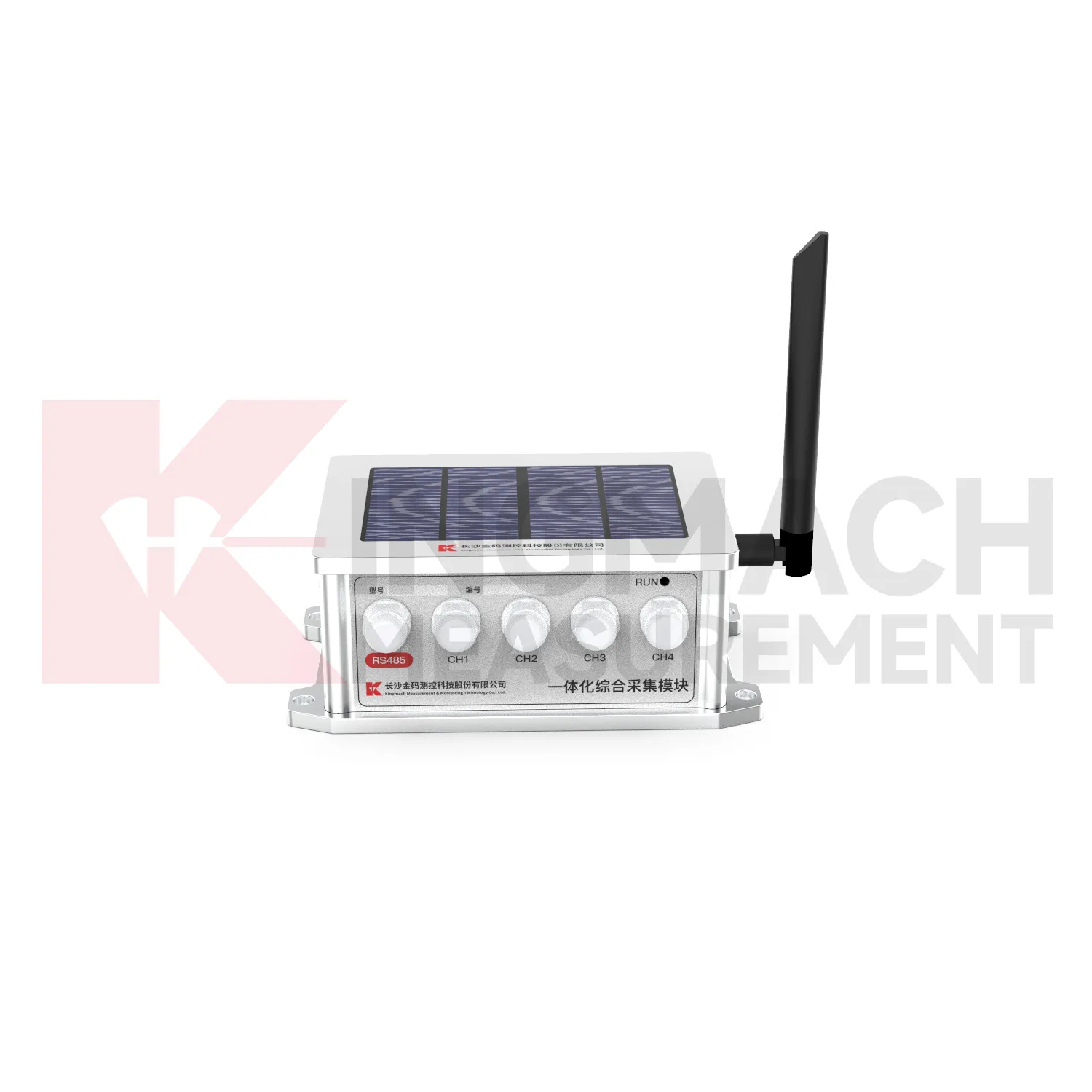
Integrated Comprehensive Acquisition Module JMZX-4/8GH-RTU
View DetailsFAQ
The input channels accept vibrating wire, 4–20 mA, 0–5 V, potentiometer, thermistor, and SDI-12 sensors. Digital ports handle RS-485 and TTL devices. Most geotechnical instruments—piezometers, inclinometers, extensometers, load cells—connect without additional signal conditioners.
Runtime depends on the logging interval and how many sensors are read. At a 15-minute logging rate, a typical setup with four sensors runs for about 18 months on a 12 Ah lead-acid battery. Deeper sleep modes and solar panels extend that significantly. We can estimate life for your specific sensor list and schedule.
Yes, almost all parameters are adjustable remotely. Sampling rate, alarm thresholds, sensor excitation voltage, and even which channels are active can be reconfigured through the web interface or over SMS commands. This lets you adjust monitoring intensity during critical phases without sending a technician to the site.
Current models support 4G/3G/2G cellular with automatic fallback, LoRaWAN, and, in some configurations, NB-IoT. Data is typically pushed to an FTP server, MQTT broker, or HTTP endpoint. Network selection depends on coverage at your site; we help choose the right variant during order configuration.
Yes, all network traffic uses TLS encryption (for TCP-based protocols) or LoRaWAN’s built-in AES-128 encryption. The logger also stores a local copy of all records, so if a transmission fails, no data is lost. Access to the configuration interface is password-protected and can be restricted to specific IP ranges.
Share your product type, target capacity, and application requirements. Our team can review the details and recommend a practical next step.
If you are interested in our products or want to become our partner.
Please leave your contact information, our team will contact you as soon as possible.
Mail: [email protected]
Contact Us: +8613808434127
Address: No. 188 Tongzipo West Rd, Changsha, Hunan, China