
 EN
EN
 ar
ar bg
bg hr
hr cs
cs da
da nl
nl fi
fi fr
fr de
de el
el hi
hi it
it ko
ko no
no pl
pl pt
pt ro
ro ru
ru es
es sv
sv tl
tl iw
iw id
id lv
lv lt
lt sr
sr sk
sk sl
sl uk
uk vi
vi et
et hu
hu th
th tr
tr fa
fa ms
ms hy
hy ka
ka ur
ur bn
bn mn
mn ta
ta kk
kk uz
uz ku
ku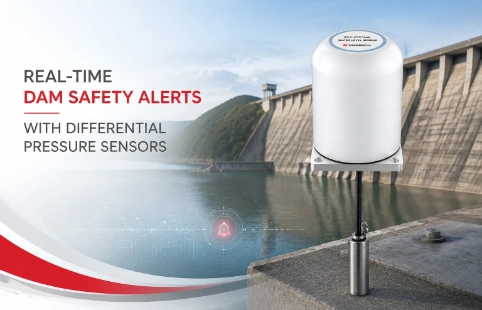
Real-Time Dam Safety Alerts with Differential Pressure Water Level Sensors
Key Takeaways An alert chain needs more than a sensor: define field in...

Reinforcement Stress Sensor: Reliable Data from Day One
Steel reinforcement carries the load, but knowing exactly how much stress is building up inside a concrete structure means the difference between routine maintenance and emergency repair. A reinforcement stress sensor sits directly on the rebar, tracking strain and load transfer without disturbing the surrounding concrete. Kingmach has been supplying these sensors to geotechnical and civil engineering teams who deal with deep excavations, tunnel linings, bridge decks, and foundation piles. Rather than bundling sensors into a one‑size‑fits‑all package, we keep the range broad enough to match actual project specs—standard rebar diameters, signal outputs compatible with most readout units, and lengths that fit realistic cage spacing. The focus stays on repeatable measurements that don’t drift after a few weeks of temperature cycling. Because these sensors usually get cast in place and can’t be recalibrated later, we go heavier on factory testing and potting than our mid‑range price suggests. The result is a reinforcement stress sensor that site engineers feel comfortable trusting, shift after shift.
Technical Detail
A reinforcement stress sensor is often the only direct way to validate design assumptions once concrete has set. The sensor measures strain in the rebar and, through a known modulus, converts that into stress—no modelling guesswork needed. Kingmach’s sensors use full‑bridge foil strain gauges sealed inside a protective housing that is welded or clamped onto the reinforcement bar. The design avoids resin‑filled cavities that can swell in wet conditions, which is one less thing to troubleshoot during commissioning. We supply sensors for rebar diameters from 12 mm up to 40 mm and in lengths that fit typical cage geometries without forcing the contractor to cut and re‑bend steel just to make room. Output options cover mV/V, 4‑20 mA, and RS‑485, so integration with popular dataloggers doesn’t require a separate signal conditioner unless the project specifically asks for one. Customisation is available when standard dimensions won’t work—for instance, a shorter gauge length for dense reinforcement in nuclear containment walls or a higher IP rating for marine piers subject to tidal immersion. Because we manufacture in‑house and stock common variants, lead times tend to be quicker than what is typical for bespoke geotechnical instruments. Every sensor ships with a calibration sheet traceable to national standards and a wiring diagram that field technicians actually find useful. Our technical team supports installation planning, troubleshooting, and even data interpretation after the pour, which helps consultants turn raw millivolt readings into stress maps without an extra software purchase. The sensors stay stable over multi‑year monitoring programmes; the low‑creep potting compound and fatigue‑rated strain gauges see to that. For projects where budget matters but cutting instrument quality isn’t an option, a Kingmach reinforcement stress sensor sits in the sensible middle ground—tested thoroughly, priced realistically, and backed by people who answer emails on the same continent.
News
Key Takeaways An alert chain needs more than a sensor: define field in...
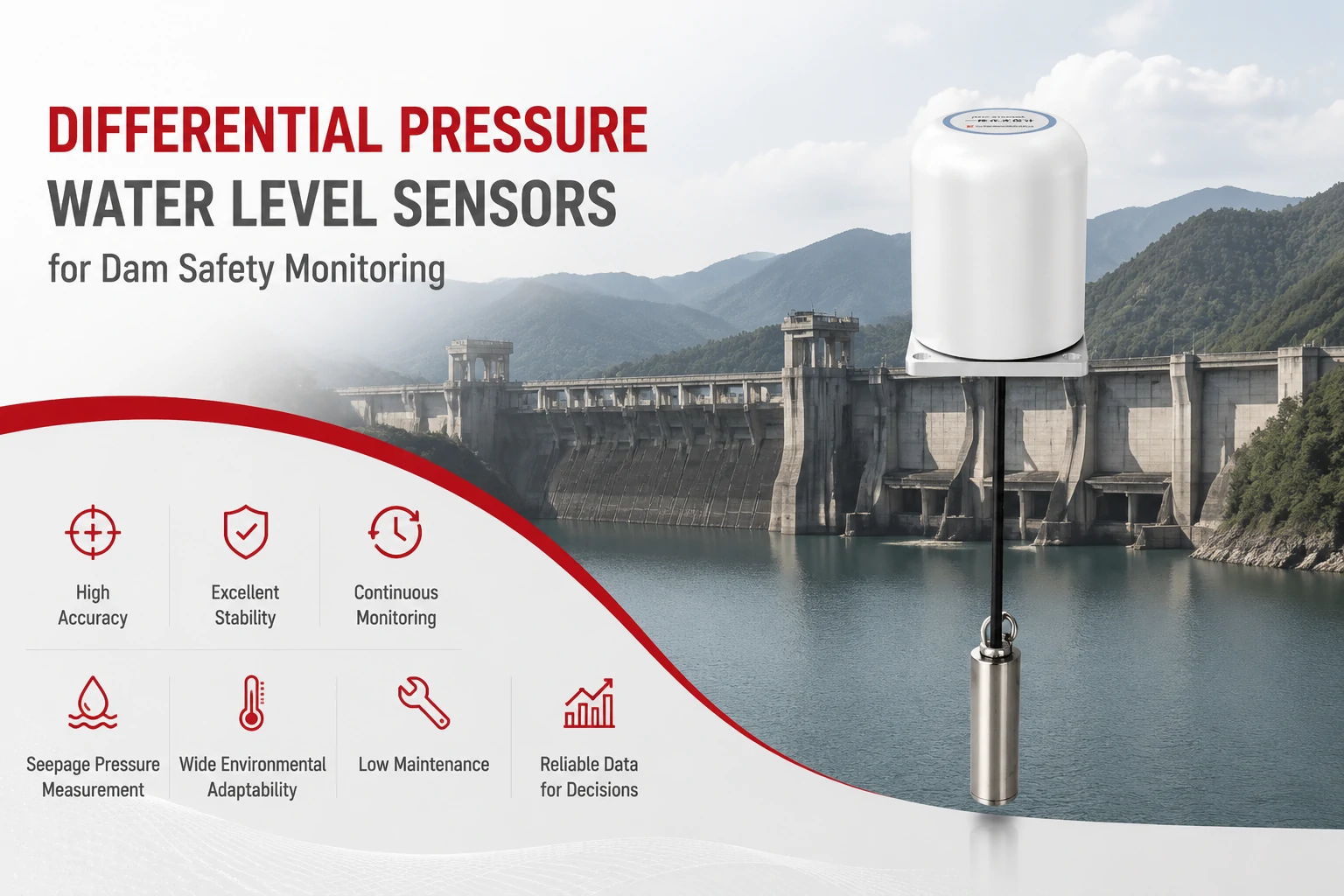
Key Takeaways The strongest fit is usually a confined, submerged, or s...
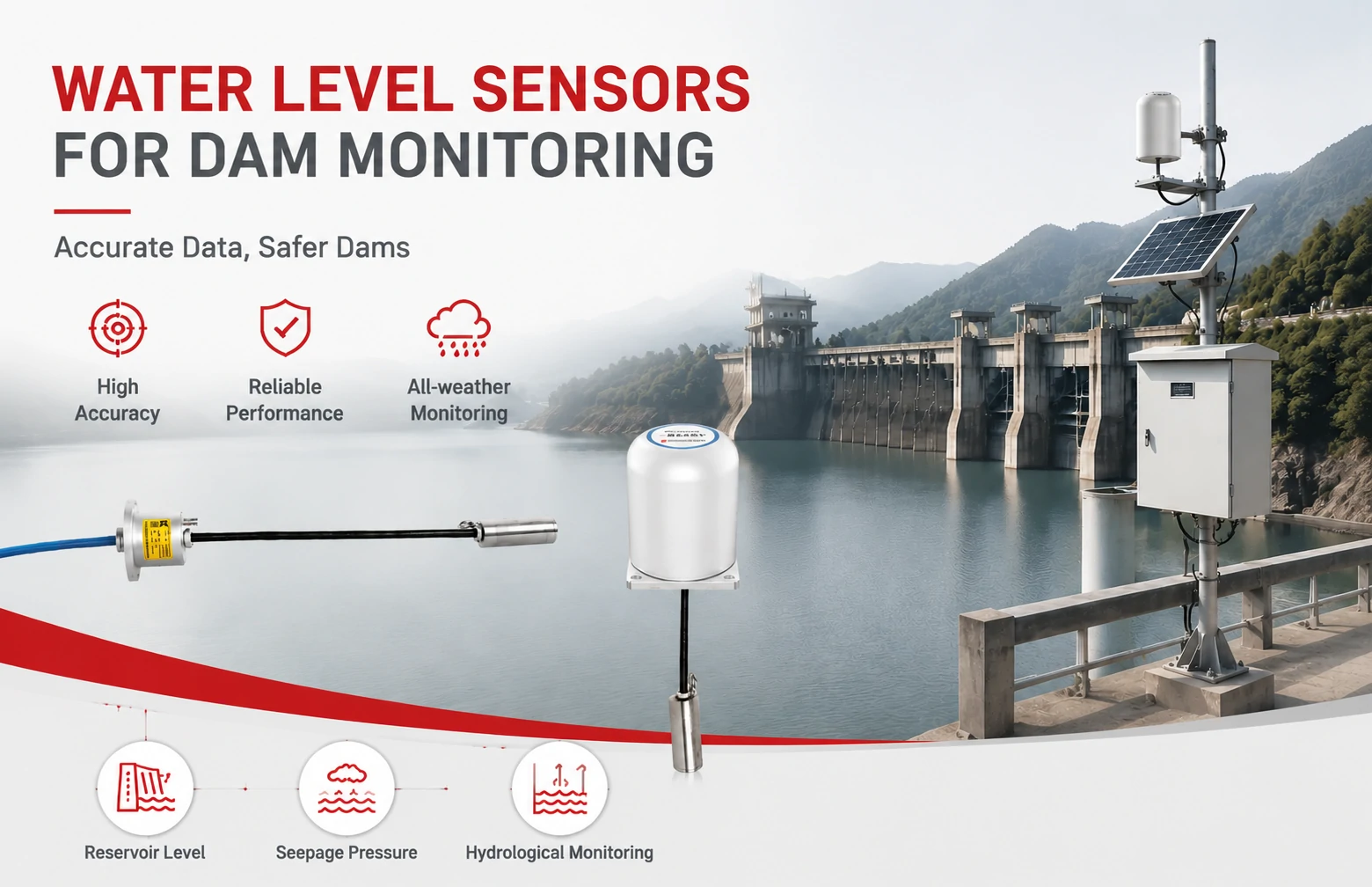
Kingmach Water Level Sensors for Dam Monitoring: A Buyer's Guide to Differential Pre...
Products
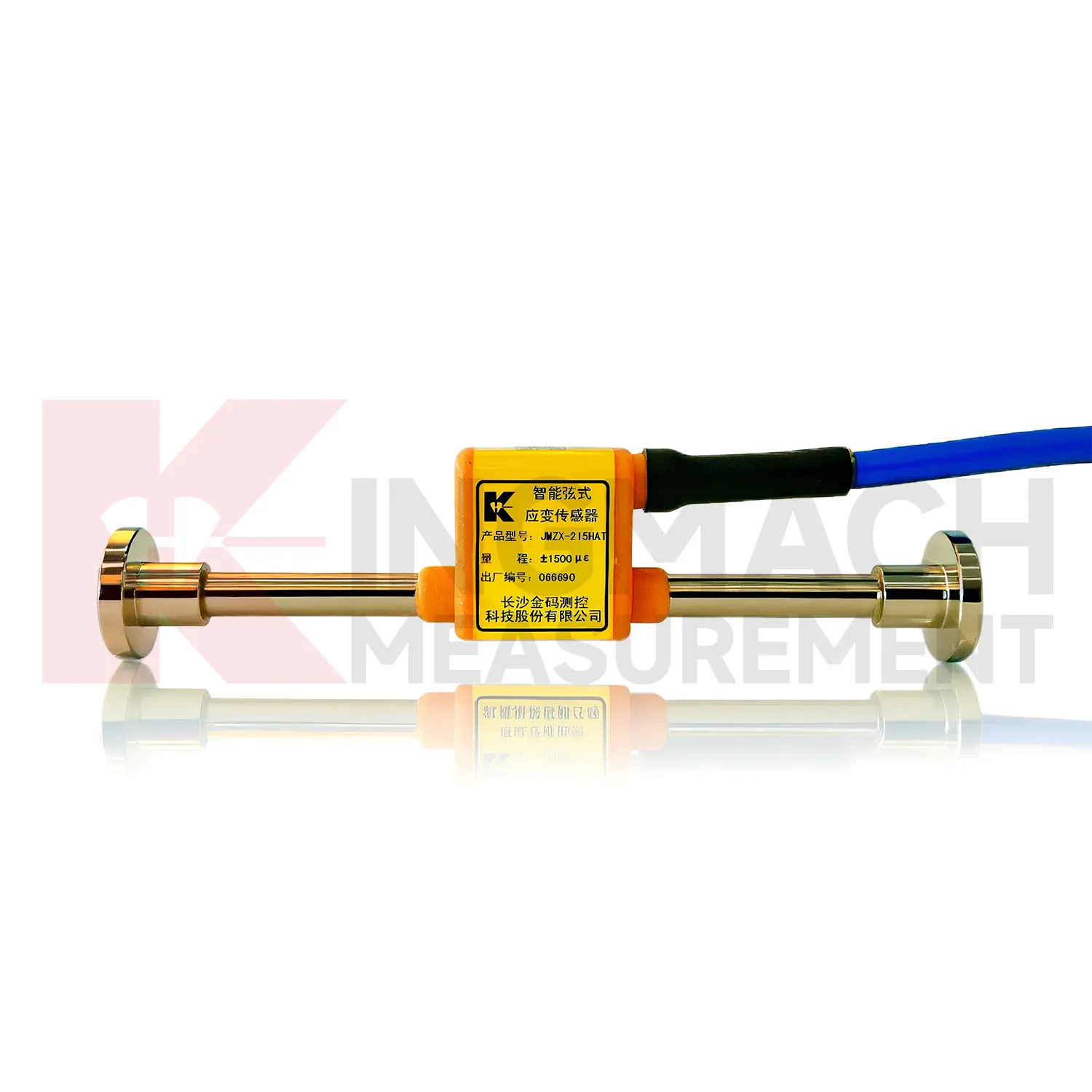
Smart vibrating wire strain gauge (embedment model) JMZX-215HA/215HAT/HB
View Details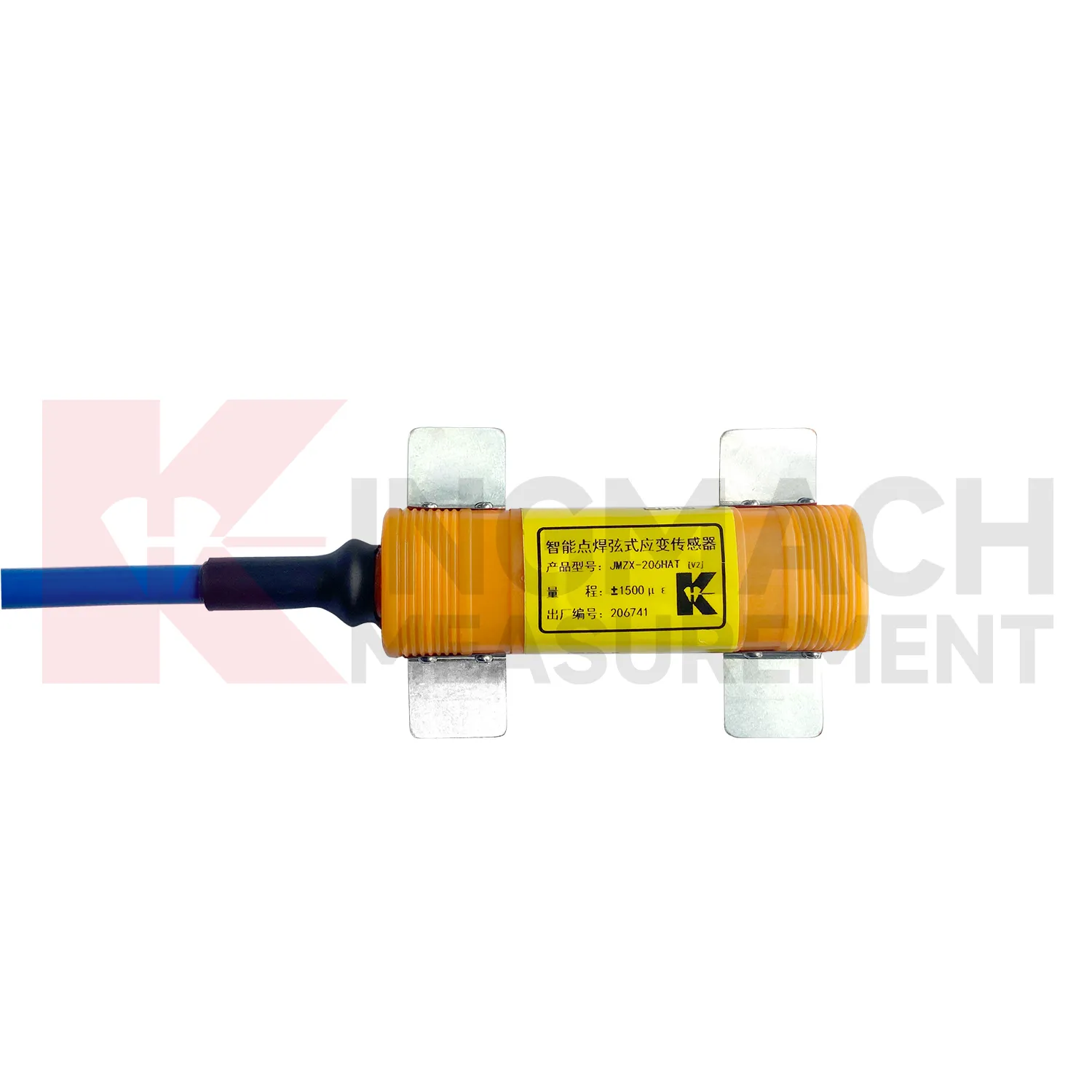
Smart vibrating wire strain gauge (surface welded model) JMZX-206HAT
View Details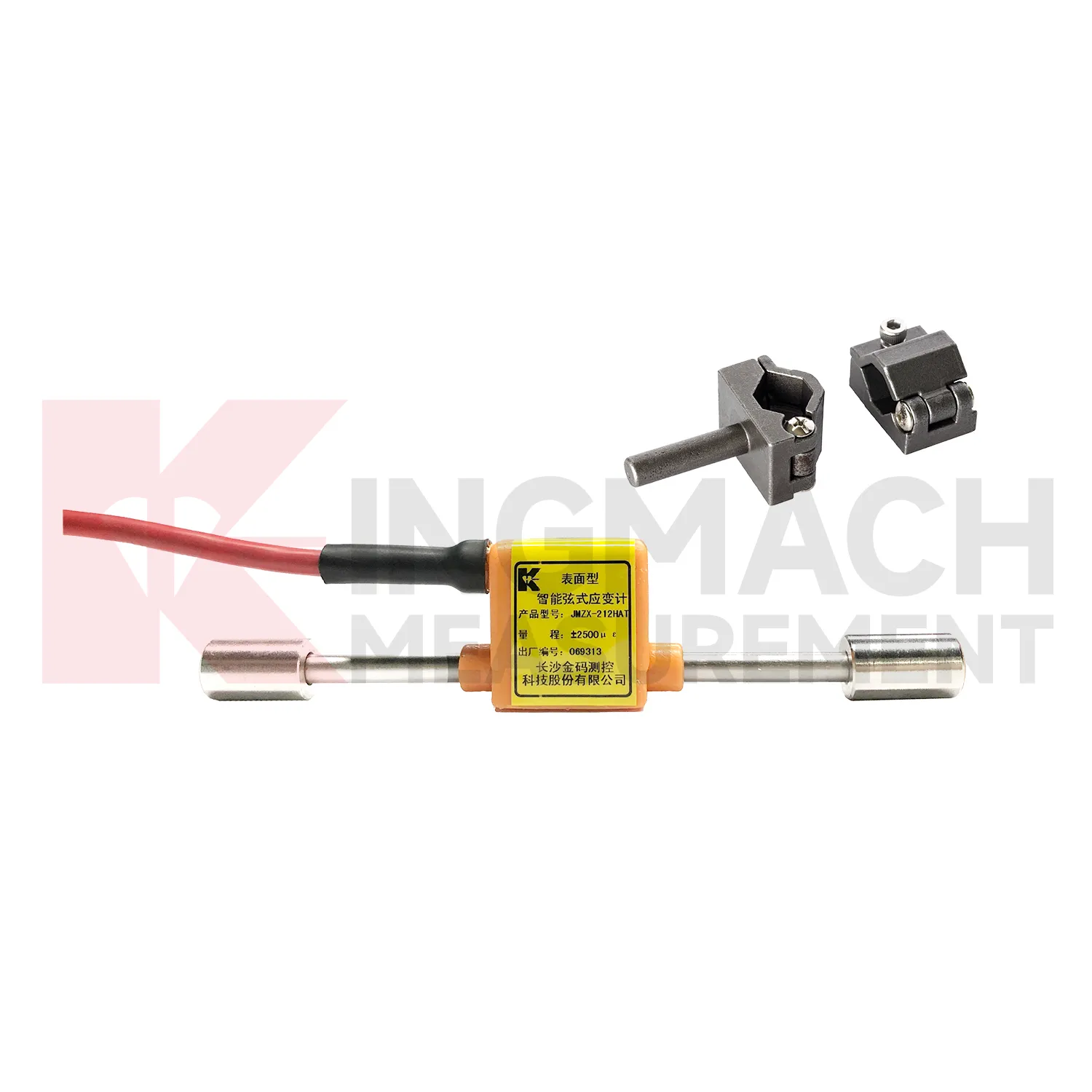
Smart vibrating wire strain gauge (surface model) JMZX-212HAT/HB
View DetailsFAQ
Standard production covers rebar diameters from 12 mm up to 40 mm. Outside that range, we can usually adapt the mounting hardware if you share the exact bar diameter and cage layout during the inquiry stage.
The gauge is housed inside a sealed metal sleeve that is welded or clamped to the rebar, and the cable exit is strain‑relieved and double‑potted. Field experience shows it handles normal poker vibrator contact without damage, but direct impact from a vibrator head should still be avoided.
Most models output mV/V, which is directly compatible with portable strain readout boxes and Campbell Scientific, Geokon, or similar dataloggers. We also offer 4‑20 mA and RS‑485 versions if the site already has a current‑loop or digital data bus.
The full‑bridge circuit already compensates for temperature effects on the gauge factor, but if you need absolute stress values, you typically measure temperature at the rebar level and apply a linear correction using the coefficient of thermal expansion for steel—nothing specific to the sensor itself.
Yes. We build to order, so custom cable lengths, polyurethane‑jacketed armoured leads, and even subsea connectors are possible. Just include the site conditions when you request a quote so we quote the right cable spec.
Share your product type, target capacity, and application requirements. Our team can review the details and recommend a practical next step.
If you are interested in our products or want to become our partner.
Please leave your contact information, our team will contact you as soon as possible.
Mail: [email protected]
Contact Us: +8613808434127
Address: No. 188 Tongzipo West Rd, Changsha, Hunan, China