
 EN
EN
 ar
ar bg
bg hr
hr cs
cs da
da nl
nl fi
fi fr
fr de
de el
el hi
hi it
it ko
ko no
no pl
pl pt
pt ro
ro ru
ru es
es sv
sv tl
tl iw
iw id
id lv
lv lt
lt sr
sr sk
sk sl
sl uk
uk vi
vi et
et hu
hu th
th tr
tr fa
fa ms
ms hy
hy ka
ka ur
ur bn
bn mn
mn ta
ta kk
kk uz
uz ku
ku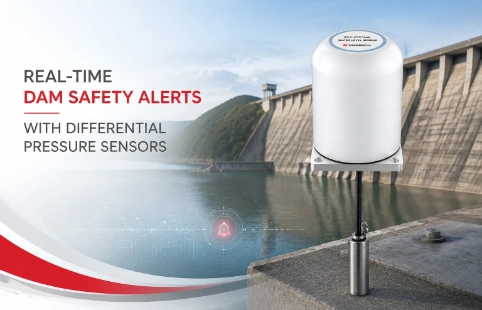
Real-Time Dam Safety Alerts with Differential Pressure Water Level Sensors
Key Takeaways An alert chain needs more than a sensor: define field in...

Three Axis Load Cell: Direct Force Data in Three Dimensions
Getting reliable force data from multiple directions at the same time used to mean stacking sensors or running separate tests. Not exactly efficient. Three axis load cells change that by measuring Fx, Fy, and Fz in one package. Kingmach supplies these sensors to engineers who deal with complex loading in tunnel linings, pile tests, and machinery. Rather than market hype, the interest comes from simple necessity: when you can’t predict which way a load will shift, a uniaxial sensor leaves questions unanswered. A three axis load cell fills those gaps. The models we offer are built around strain gauge technology, with options for different capacities and mounting interfaces. Some are compact enough for model-scale experiments; others handle field conditions where jacking forces and lateral pressures interact. We don’t pretend that one size fits all—most orders involve customization of range, cable length, or signal output. That’s normal for geotechnical instrumentation. If your project has an oddball requirement, there’s a decent chance we’ve already solved something similar.
Technical Detail
Kingmach’s three axis load cells are strain-gauge-based sensors that simultaneously output three orthogonal force components. Typical designs group the sensing elements around a central flexure, with careful wiring to keep crosstalk low—often under 2% in calibrated units. The aerospace and civil engineering sectors have used similar constructions for decades, so the basics are well understood. Where Kingmach adds value is in adapting these to field conditions. You’ll see potting epoxy and connector seals chosen for humidity, or flanges machined to match existing bolt patterns. The standard range covers 1 kN to 500 kN per axis, though custom limits are common. Outputs can be mV/V with an external amplifier or integrated with a digital interface for direct readout. Many users pair them with our data loggers, which simplifies setup if you’re already running other instruments. For temporary installations, like segmental tunnel jacking, the load cells can be pre-wired and potted to survive weeks of damp, grout, and minor impacts. In lab settings, the same sensing element might sit inside a precision miniature housing for biomechanics. Technical support is part of the package—not just a manual PDF. We routinely walk first-time buyers through mounting considerations, excitation voltage trade-offs, and zero-balance checks. Global stockists mean shorter lead times in some regions, and we maintain a repair and recalibration service. If your measurement chain includes unusual temperature ranges or dynamic events, asking early beats reordering later.
News
Key Takeaways An alert chain needs more than a sensor: define field in...
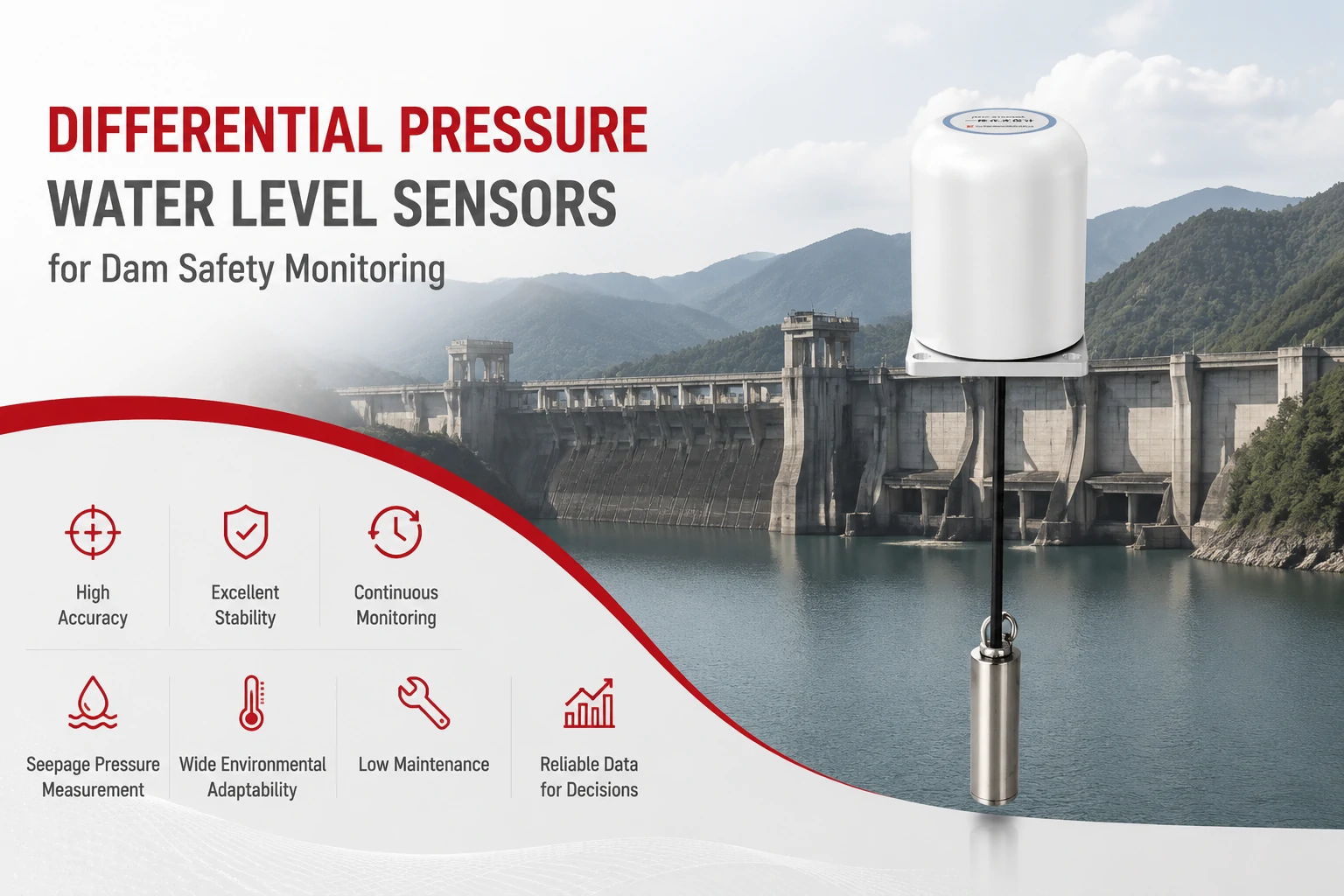
Key Takeaways The strongest fit is usually a confined, submerged, or s...
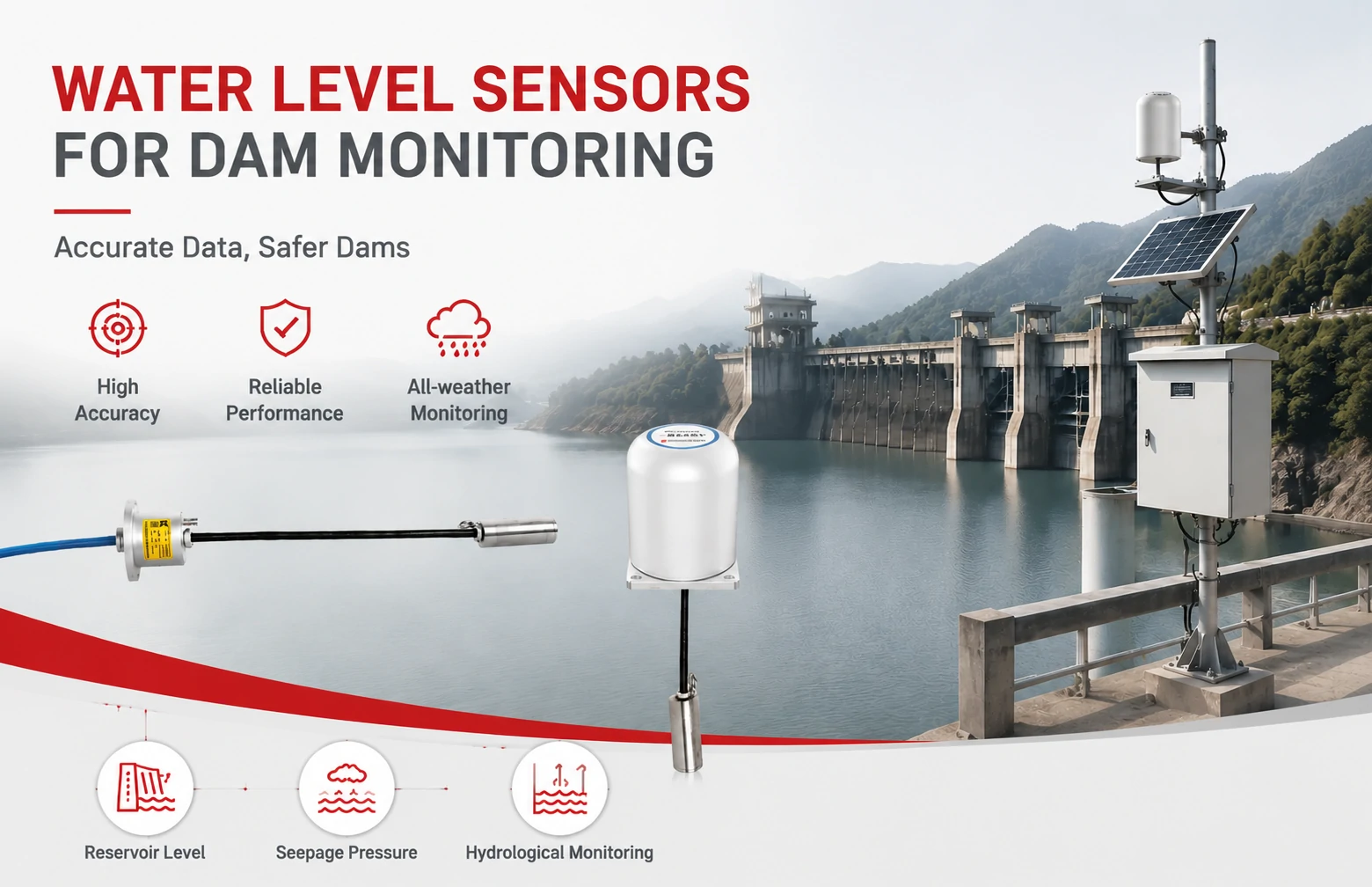
Kingmach Water Level Sensors for Dam Monitoring: A Buyer's Guide to Differential Pre...
Products
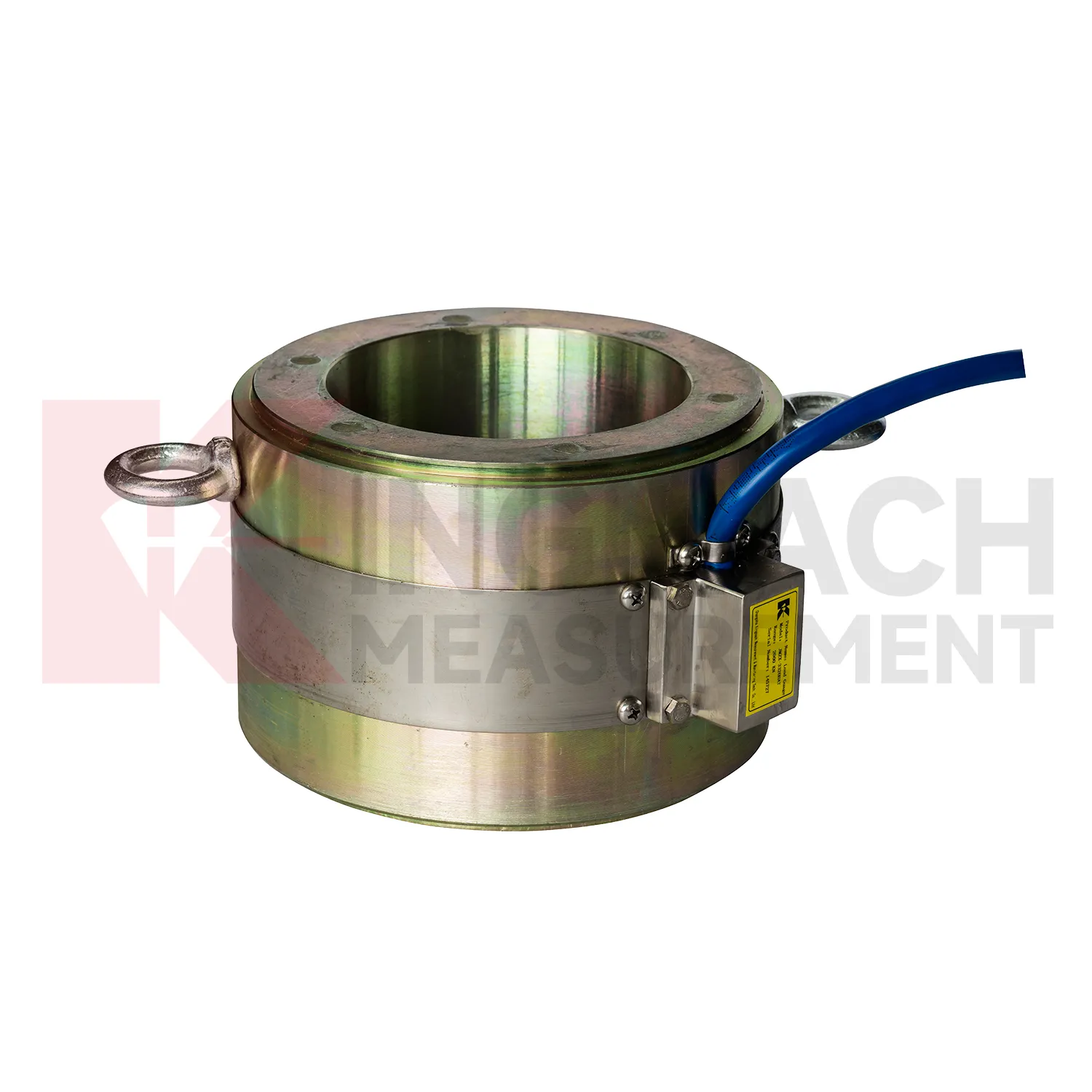
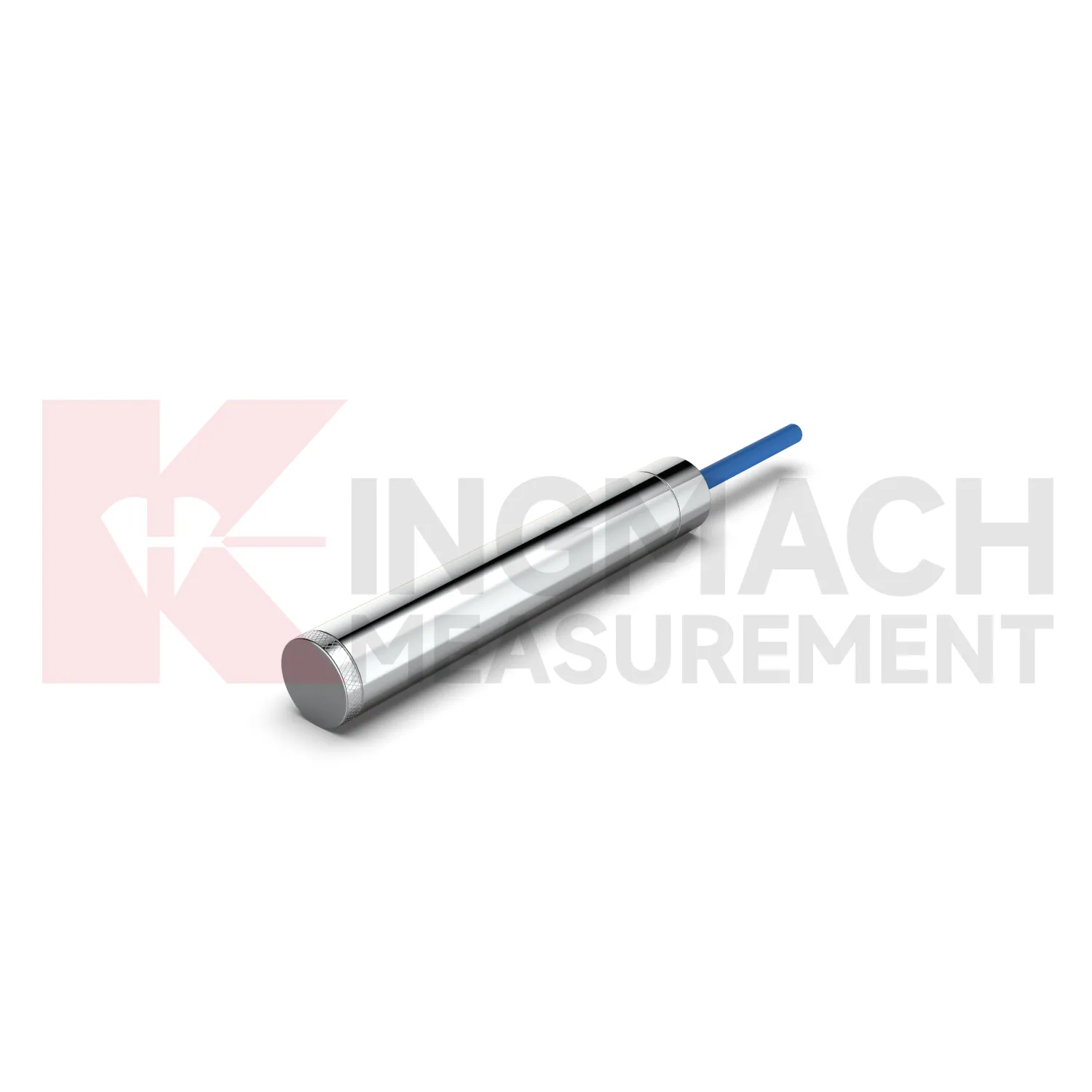
Smart Vibrating Wire PiezometerSmart Piezometers (VW) JMZX-55XXHAT
View Details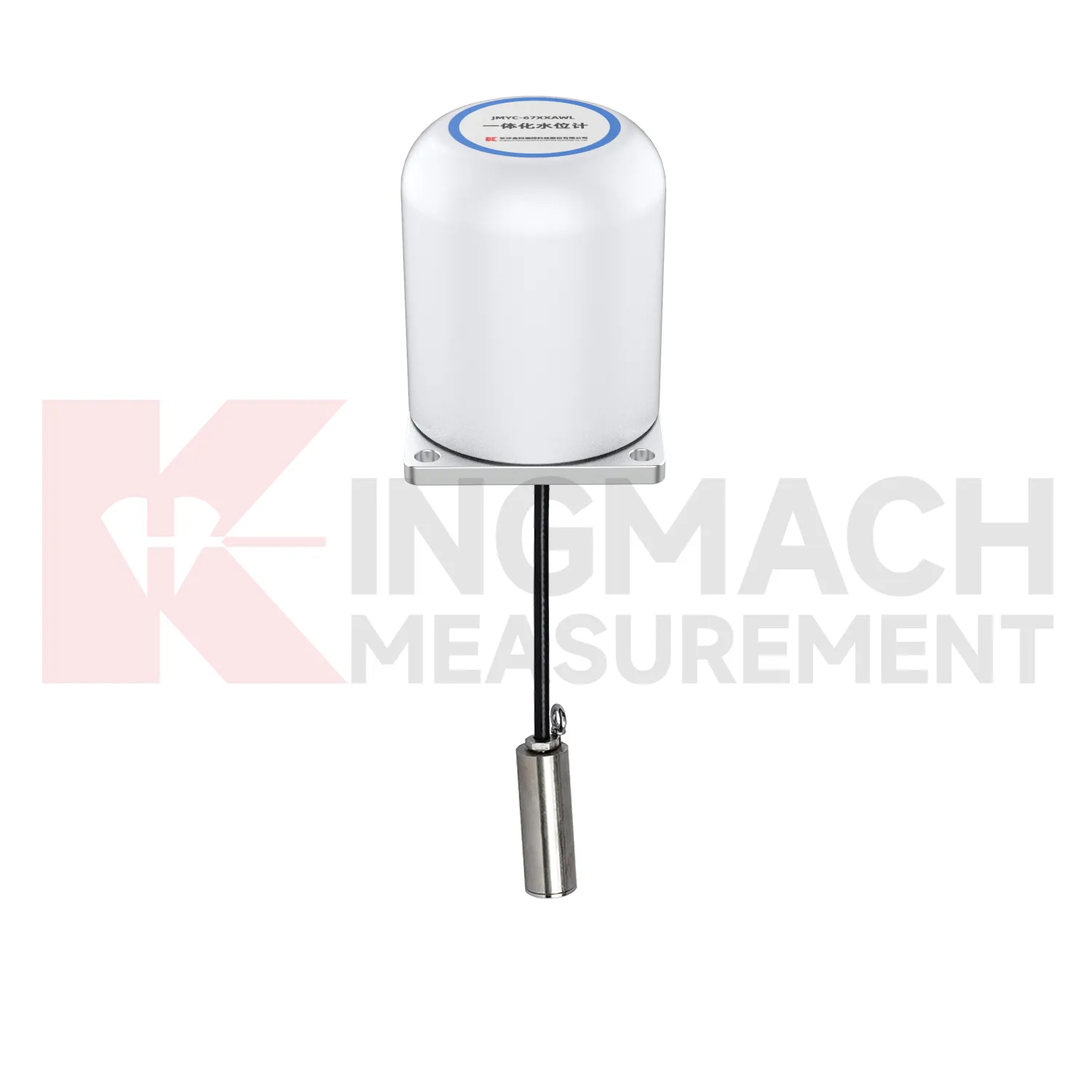
Integrated Wide-Range Differential Pressure Water Level Meter JMYC-67XXAWL
View DetailsFAQ
The mounting surface needs to be flat and rigid enough that deformations of the structure don’t twist the sensor body. We usually supply detailed bolt torque specs and recommend using spherical washers or alignment pins if there’s any chance the load won’t stay perfectly perpendicular. For dynamic setups, preloading the sensor slightly often helps reduce hysteresis.
Standard IP65 or IP67 sealing handles rain and damp, but full submersion requires a custom potting or housing. We’ve built units with pigtails rated to 50 m depth for hydraulic monitoring. Let us know the static pressure and any corrosive elements early on—retrofitting seals isn’t always possible after the fact.
Most three axis load cells in our catalog hold crosstalk to 1–2% of full scale per axis when calibrated. That can drift slightly with off-axis loading or temperature, so we include a calibration sheet that maps compensation factors. If your test demands <0.5%, we can discuss mechanical tuning, but it usually adds cost and lead time.
If you have space constraints or need to measure loads where the direction isn’t fixed, the three axis design removes alignment guesswork. Three separate sensors can sometimes deliver higher accuracy individually, but they also multiply your mounting complexity and crosstalk from misalignment. We often talk through the specific load paths with customers—sometimes a hybrid approach using a three axis load cell as the main reference and simpler sensors for secondary readings makes sense.
The default is usually millivolt per volt, compatible with most strain gauge amplifiers. For direct connection to a PLC or logger, we can integrate a digital conditioner that outputs RS-485 or CAN. If you need 4–20 mA for a long cable run, that’s possible too, but it’s worth checking the power supply and sampling speed requirements with us first.
Share your product type, target capacity, and application requirements. Our team can review the details and recommend a practical next step.
If you are interested in our products or want to become our partner.
Please leave your contact information, our team will contact you as soon as possible.
Mail: [email protected]
Contact Us: +8613808434127
Address: No. 188 Tongzipo West Rd, Changsha, Hunan, China