
 EN
EN
 ar
ar bg
bg hr
hr cs
cs da
da nl
nl fi
fi fr
fr de
de el
el hi
hi it
it ko
ko no
no pl
pl pt
pt ro
ro ru
ru es
es sv
sv tl
tl iw
iw id
id lv
lv lt
lt sr
sr sk
sk sl
sl uk
uk vi
vi et
et hu
hu th
th tr
tr fa
fa ms
ms hy
hy ka
ka ur
ur bn
bn mn
mn ta
ta kk
kk uz
uz ku
ku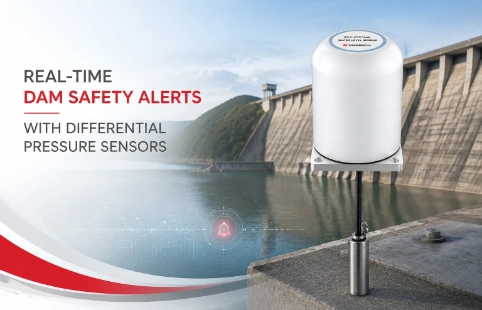
Real-Time Dam Safety Alerts with Differential Pressure Water Level Sensors
Key Takeaways An alert chain needs more than a sensor: define field in...

Strain Gauge Sensor Price: What You Actually Pay For
You've probably noticed that strain gauge sensor prices are all over the map. Some vendors quote a few hundred dollars; others, into the thousands. The difference isn't just the hardware—it’s what’s wrapped around it. At Kingmach, we focus on the middle ground: instruments built for long-term geotechnical monitoring without the premium markup that comes from brand-name overhead. Our strain gauge sensors are installed in dozens of countries, on projects ranging from dam safety to deep excavation. The price you see from us usually includes basic calibration, a standard cable length, and access to our technical team when something doesn’t add up. We don’t hide re-calibration costs or make you buy proprietary readout units—most of our sensors work with common dataloggers. If your project runs on a tight budget but can't afford data gaps, that middle path might be worth a close look.
Technical Detail
Kingmach Measurement & Monitoring Technology Co., Ltd. has been making geotechnical instruments for long enough to know that a sensor is only as good as the support behind it. Our strain gauge sensors—whether vibrating wire or resistive—come out of a production line in Chengdu that also handles customized orders for offshore monitoring and high-temperature boreholes. That mix of standard volume and one-off engineering keeps our strain gauge sensor price in the mid-range, where most consulting engineers and contractors need it. The company holds ISO 9001 certification and maintains a calibration lab traceable to national standards, so the baseline accuracy isn't a gamble. You can order a standard model with a 3-meter cable and get it shipped within two weeks, or ask for a 100-meter armored lead with a custom range—the lead time stretches, but the per-unit cost doesn't skyrocket because we already have the fixturing and test procedures. Many buyers come to us after trying cheaper alternatives that drift after the first rain. We often hear that the real cost isn't the sensor, it's the repeat site visits when readings go sideways. Our technical support engineers are on WeChat and email, and they've walked field technicians through wiring issues on a Sunday more than once. For distributors, we offer private labeling and regional exclusivity, which changes the price discussion from a unit cost to a margin opportunity. On large tenders, we've helped contractors win bids by pre-configuring datalogger setups and providing the 3D mounting bracket drawings ahead of time—details that don't appear on a price list but show up in the total project economics. If you're comparing strain gauge sensor price across manufacturers, ask about the included calibration certificate, the lead time on spares, and whether the next batch will really match the first. On those points, we put our answers in writing.
News
Key Takeaways An alert chain needs more than a sensor: define field in...
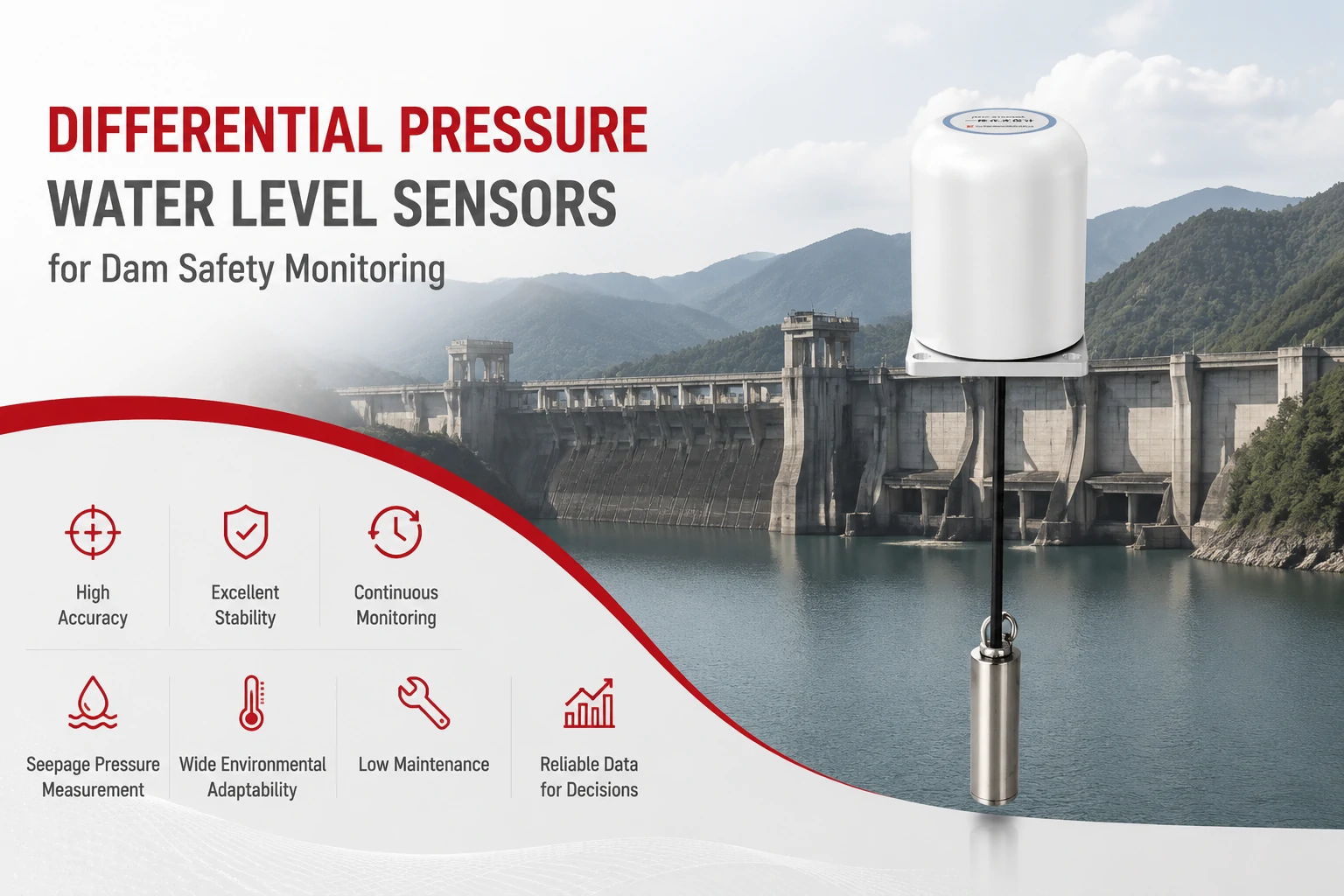
Key Takeaways The strongest fit is usually a confined, submerged, or s...
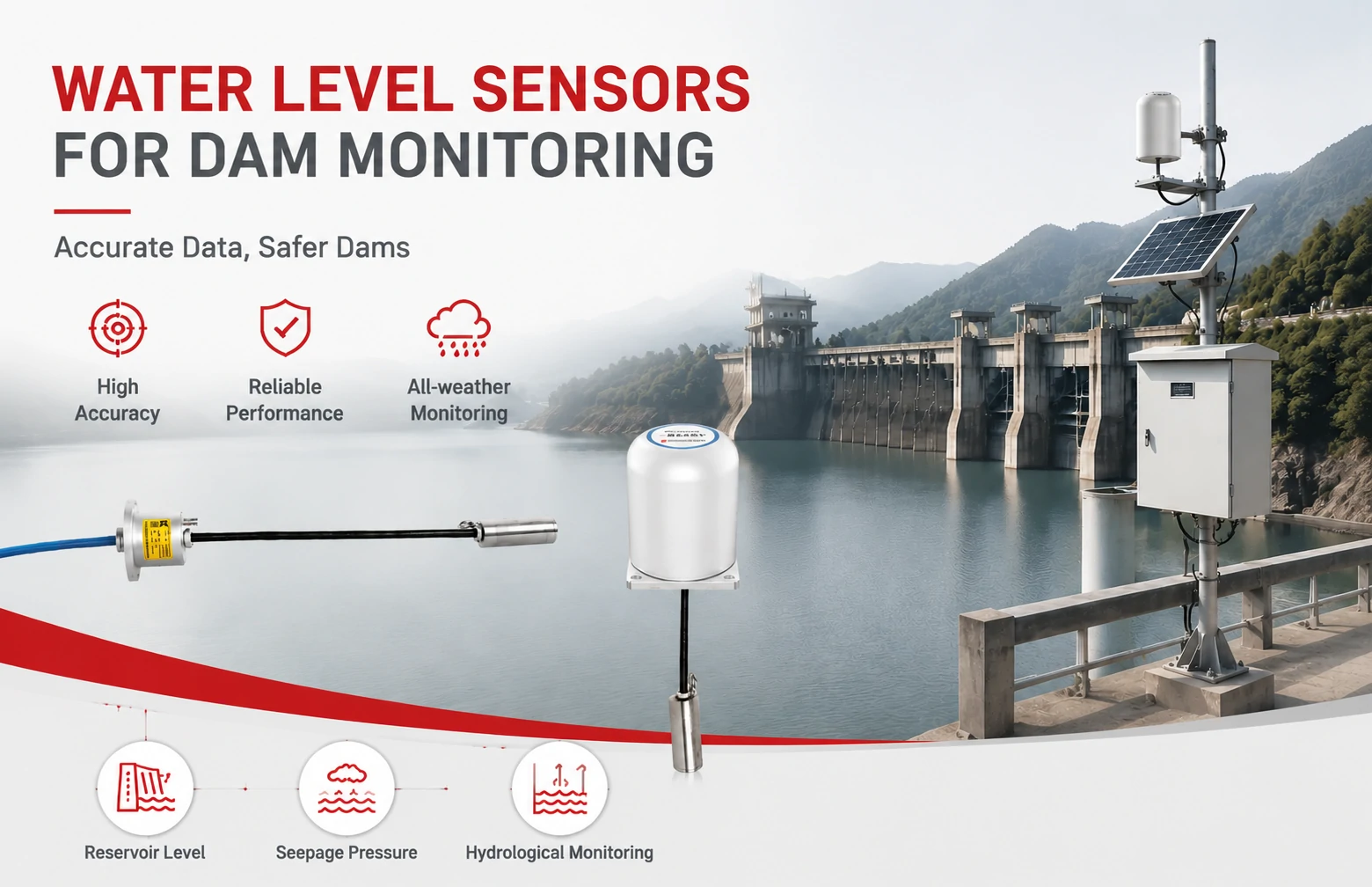
Kingmach Water Level Sensors for Dam Monitoring: A Buyer's Guide to Differential Pre...
Products
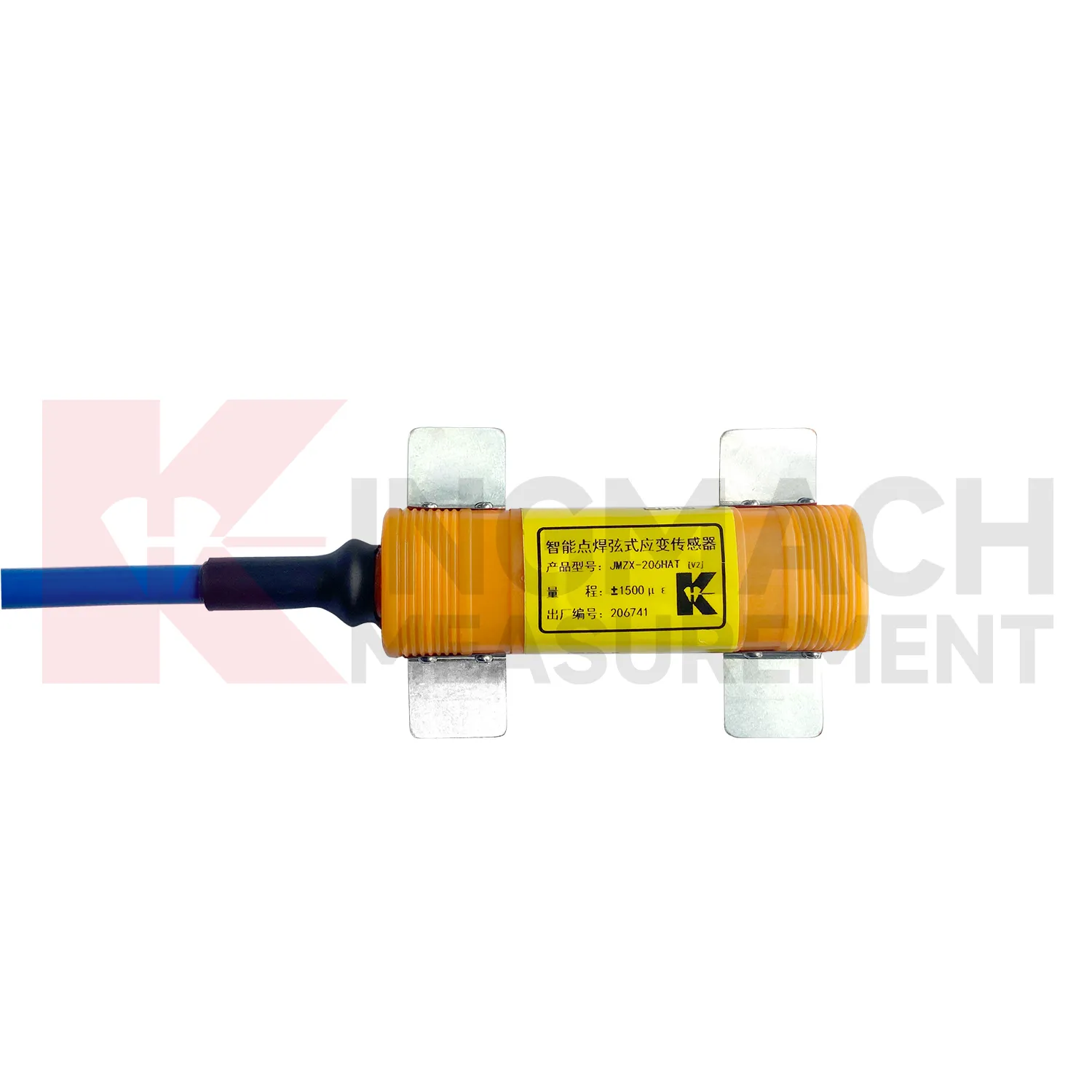
Smart vibrating wire strain gauge (surface welded model) JMZX-206HAT
View Details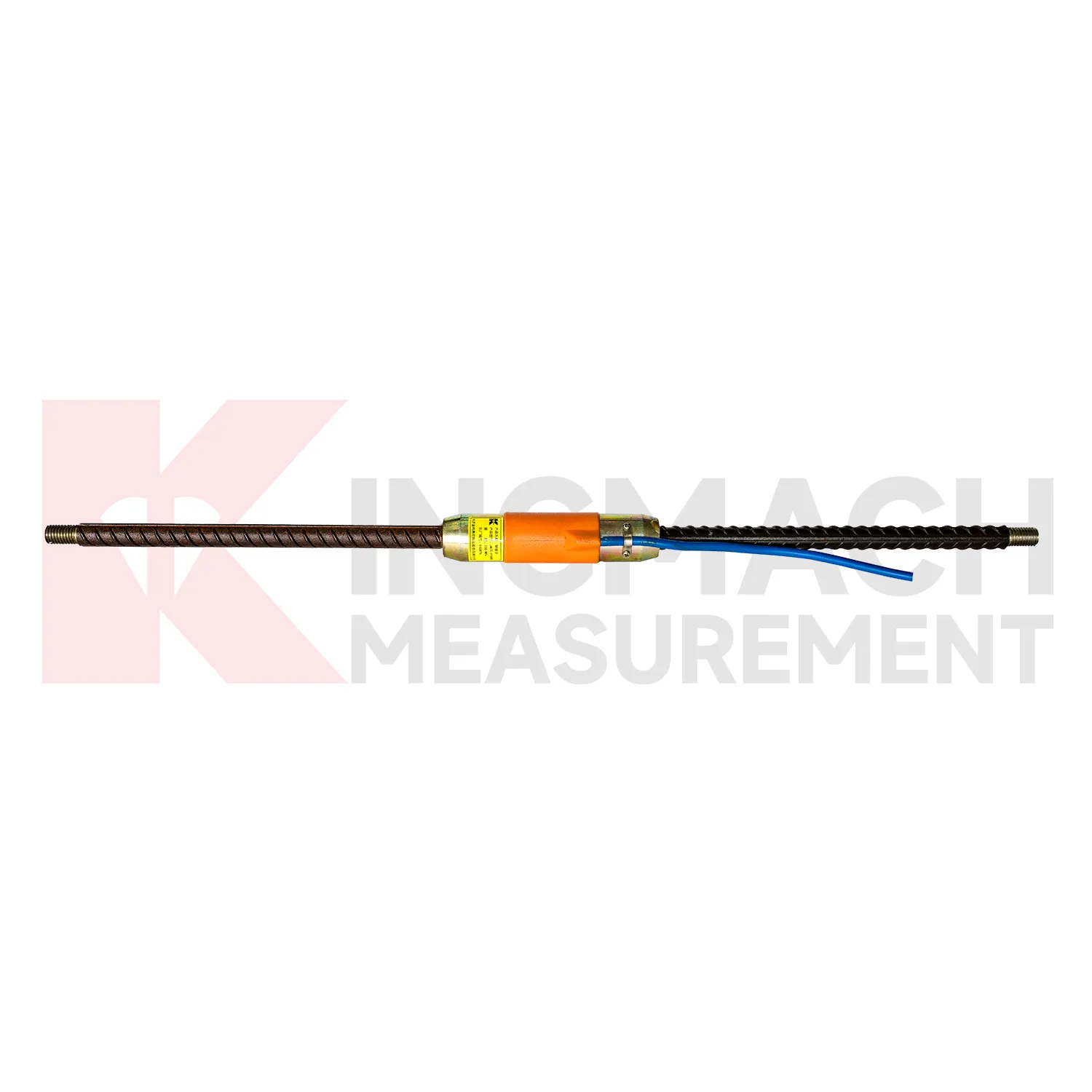
Rebar Strainmeters ( VW & Smart Type) JMZX-4XXHAT/HB
View Details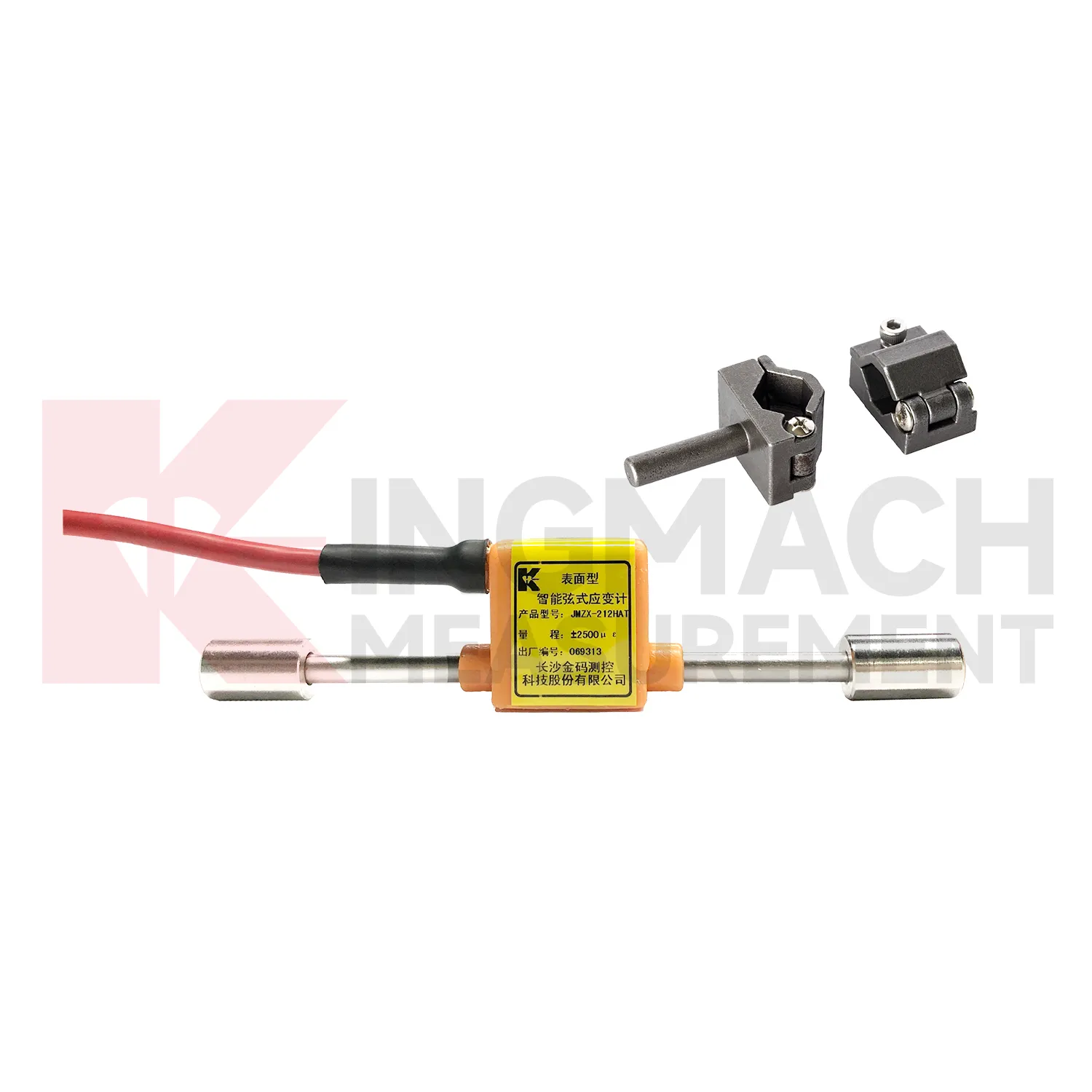
Smart vibrating wire strain gauge (surface model) JMZX-212HAT/HB
View DetailsFAQ
A big chunk comes down to what's in the box: the quality of the foil or wire, the bonding and sealing process, and whether each sensor gets a full calibration curve or just a two-point check. Then there's the commercial side—customs fees, local rep margins, and how much stock a supplier holds. Kingmach keeps prices mid-range by manufacturing in-house, calibrating in batches, and not asking you to buy a separate expensive readout. Cheaper units often skip the long-term creep test; pricier ones sometimes bundle in project management you may not need.
Look beyond the per-piece price. Factor in how often you'll need to check or recalibrate, whether the cable connection is standard or proprietary, and what happens if a sensor fails mid-project. With Kingmach sensors, the standard output is millivolts or Hertz, so they plug into most loggers on site. We include an initial calibration sheet, and we don't lock you into annual service contracts. Most of our sensors stay stable for 18–24 months in typical civil engineering conditions, which is what keeps the long-term cost predictable.
Yes. For orders above 50 units of the same model, we drop the unit cost noticeably. We also look at the annual volume if you're a distributor. Some clients prefer to negotiate a framework price for 200+ sensors over a year, with call-off delivery dates. That works well for phased construction projects.
Typically, one sensor with a 3-meter signal cable, a calibration certificate, and a basic mounting kit. If your project needs longer cables or special armoring, that adds a few dollars per meter. We quote that upfront, so there are no surprise line items later.
We do. You can buy a single piece at the standard sample price, test it on your setup, and if you move to a volume order, we'll credit that sample cost back. It's a low-risk way to verify compatibility with your datalogger and mounting surface.
Share your product type, target capacity, and application requirements. Our team can review the details and recommend a practical next step.
If you are interested in our products or want to become our partner.
Please leave your contact information, our team will contact you as soon as possible.
Mail: [email protected]
Contact Us: +8613808434127
Address: No. 188 Tongzipo West Rd, Changsha, Hunan, China