
 EN
EN
 ar
ar bg
bg hr
hr cs
cs da
da nl
nl fi
fi fr
fr de
de el
el hi
hi it
it ko
ko no
no pl
pl pt
pt ro
ro ru
ru es
es sv
sv tl
tl iw
iw id
id lv
lv lt
lt sr
sr sk
sk sl
sl uk
uk vi
vi et
et hu
hu th
th tr
tr fa
fa ms
ms hy
hy ka
ka ur
ur bn
bn mn
mn ta
ta kk
kk uz
uz ku
ku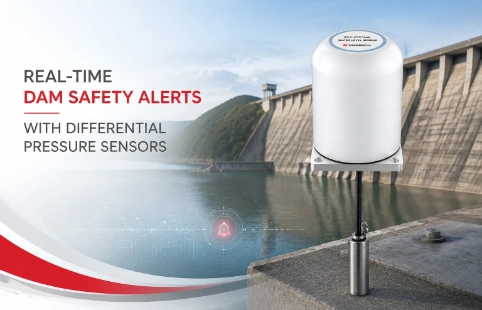
Real-Time Dam Safety Alerts with Differential Pressure Water Level Sensors
Key Takeaways An alert chain needs more than a sensor: define field in...

Strain Gauge DAQ That Handles Real Field Conditions
A strain gauge DAQ system that reads perfectly in an air-conditioned lab doesn’t always survive a muddy construction site or a sub-zero dam face. That’s the reality most field engineers face. At Kingmach, we build data acquisition hardware specifically for these situations. Our roots are in geotechnical instrumentation, so we know that monitoring stress and strain in concrete, steel, or soil means dealing with wiring that runs hundreds of meters, unpredictable power, and sensors that get submerged, frozen, or run over. Instead of bolting on environmental protection as an afterthought, our strain gauge DAQ modules are designed from the ground up with channel-to-channel isolation, signal conditioning for long cable runs, and enclosures that keep working after a thunderstorm. Whether you’re tracking loads on bridge bearings, strains in a tunnel lining, or stress in a deep excavation, the system’s job is to deliver clean, time-stamped data to your analysis software without requiring constant babysitting. That’s the kind of reliability we aim for—not spec-sheet heroics, but practical, repeatable performance where it matters.
Technical Detail
Kingmach’s strain gauge DAQ systems sit in the middle ground between expensive, over-specified lab gear and low-cost loggers that fall short in the field. They’re built for long-term structural and geotechnical monitoring, where channels add up and budgets still matter. A typical configuration starts with an 8-channel base unit, expandable to 32 or more channels using plug-in modules—each channel supporting full-, half-, and quarter-bridge configurations through software selection, no physical jumpers needed. Excitation is user-adjustable, typically from 2 to 10 V, to match sensor requirements and minimize self-heating on smaller gauges. Resolution reaches 24 bits, enough to catch microstrain-level changes in concrete, while sampling rates up to 100 Sps cover both static readings and slow dynamic events like crane loading or wind gusts. The front end handles common-mode noise well, thanks to differential inputs and low-pass filtering, which matters when cables run alongside power lines. For remote sites, the DAQ can log to internal flash and push data over 4G or ethernet to Kingmach’s cloud platform, where you can check trends without driving out to the site. A few design details that field technicians appreciate: screw-terminal connectors that don’t pull loose, LED indicators for bridge completion and excitation status, and a standby power draw low enough to run on a small solar panel. Customization is part of the package—we can add submersible housings, extend temperature ranges, or pre-wire multi-channel junction boxes according to the sensor layout. After-sales support stays with you through installation and commissioning, and our distributors in several regions can have spare units on hand quickly. For projects that need strain gauge DAQ without the complexity of a full PC-based system, it’s a straightforward box that outputs measurements in engineering units, ready to feed into SCADA or custom dashboards.
News
Key Takeaways An alert chain needs more than a sensor: define field in...
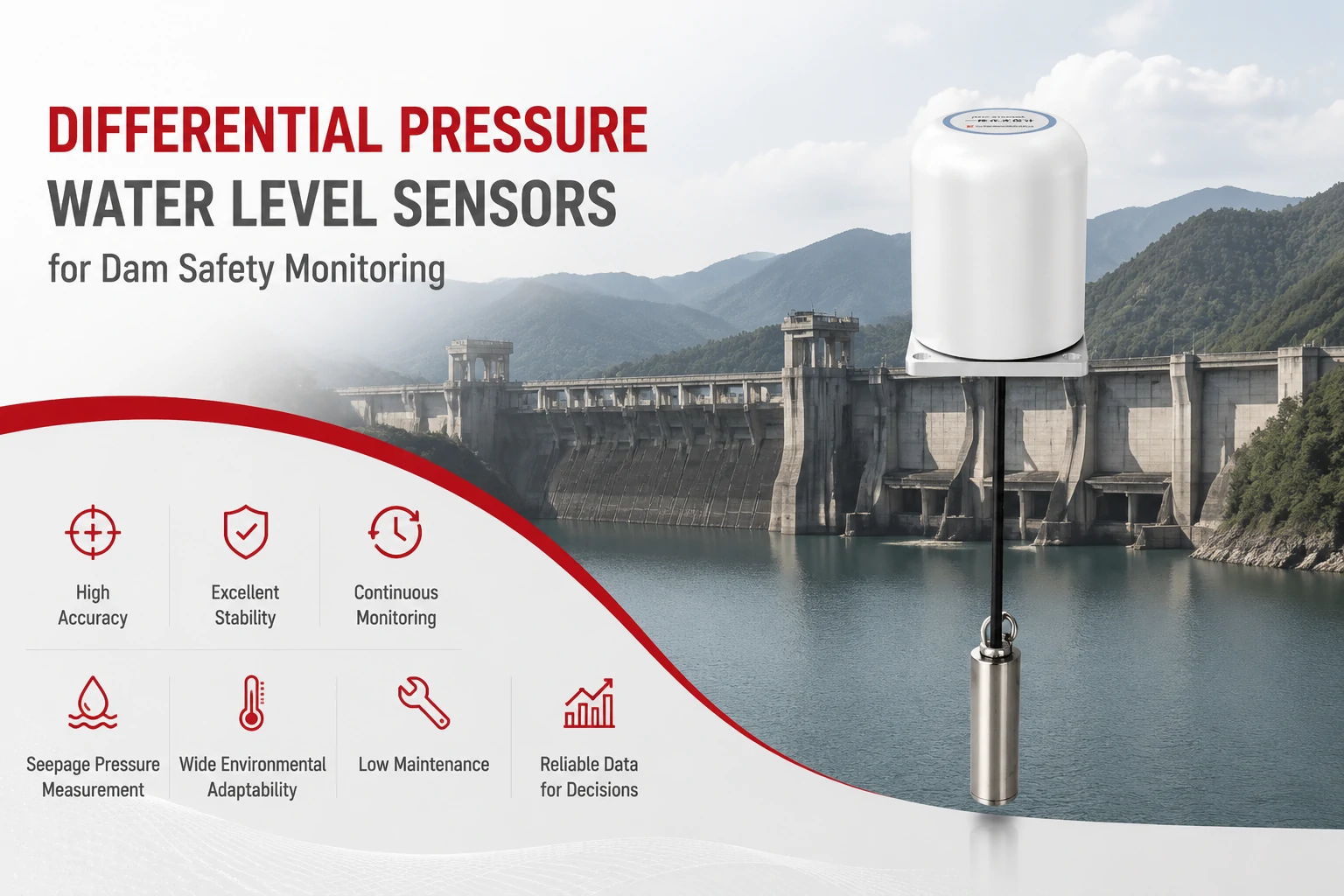
Key Takeaways The strongest fit is usually a confined, submerged, or s...
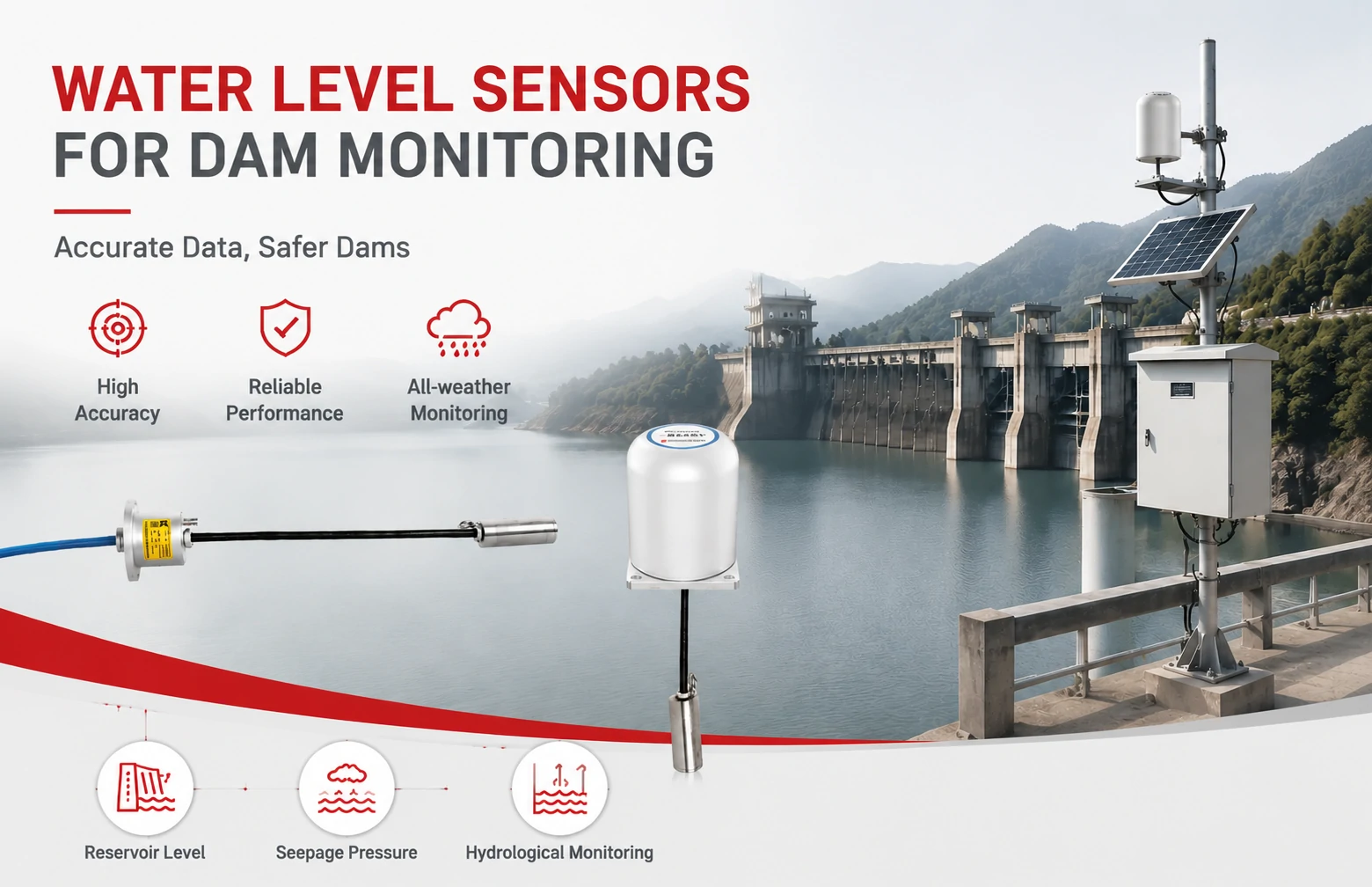
Kingmach Water Level Sensors for Dam Monitoring: A Buyer's Guide to Differential Pre...
Products
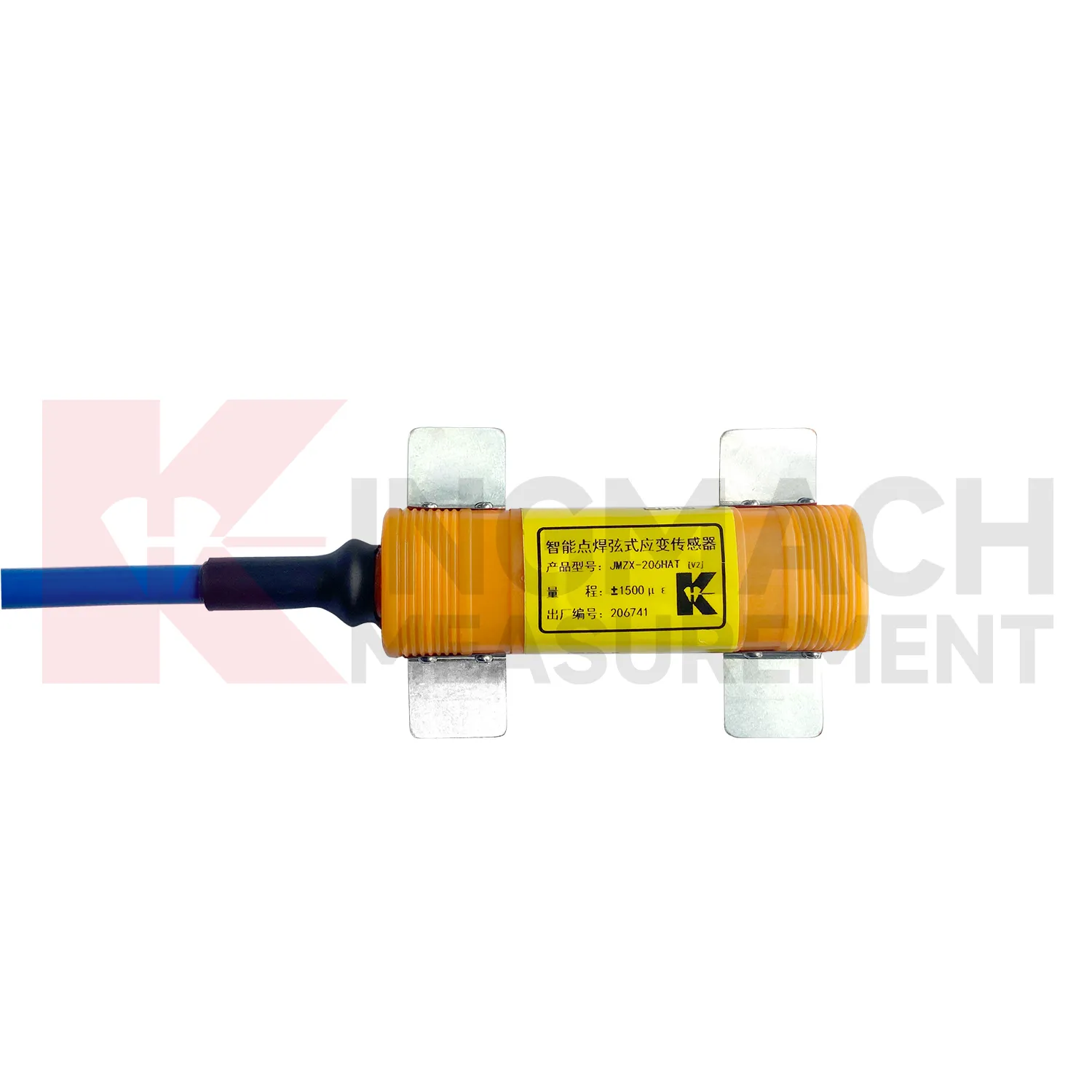
Smart vibrating wire strain gauge (surface welded model) JMZX-206HAT
View Details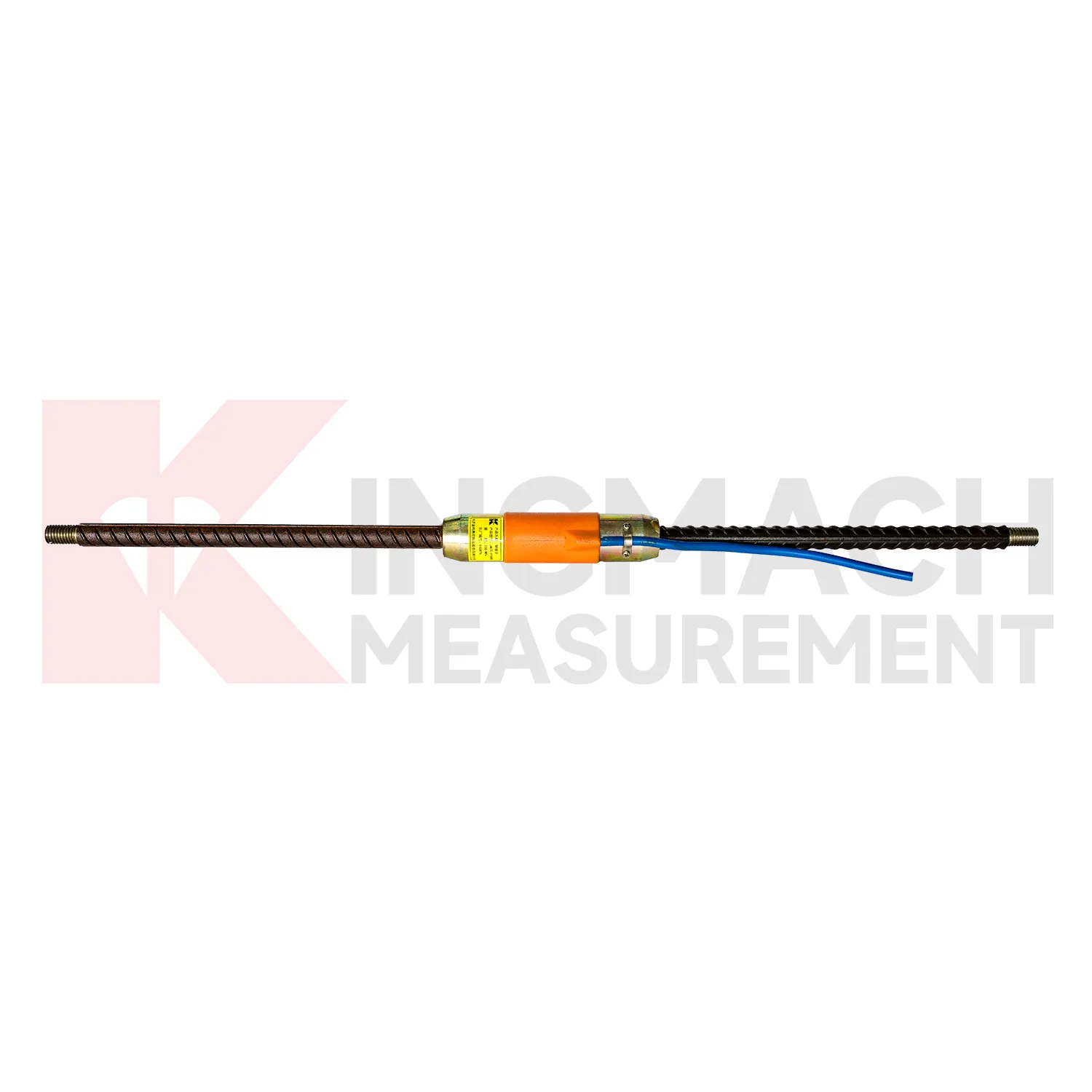
Rebar Strainmeters ( VW & Smart Type) JMZX-4XXHAT/HB
View Details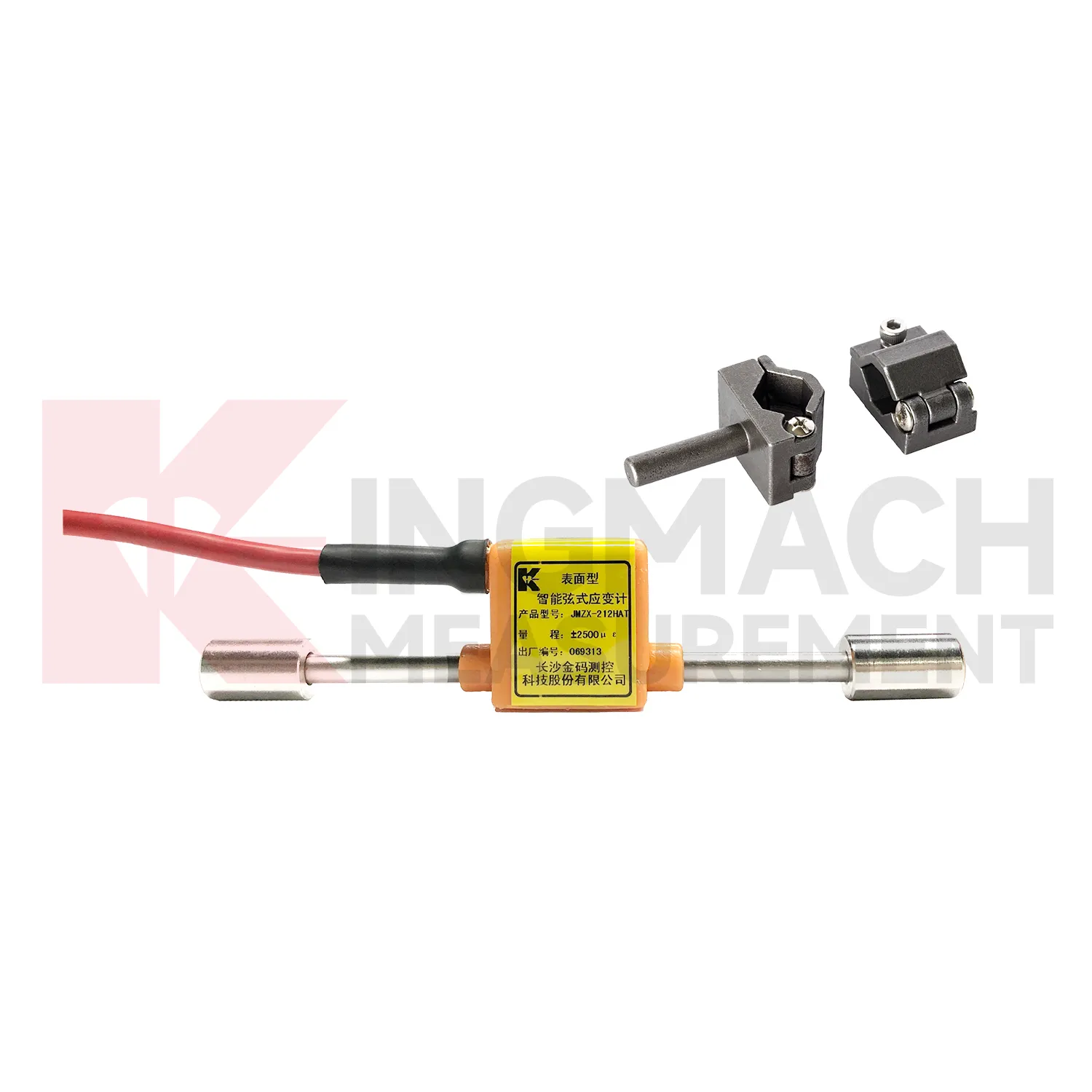
Smart vibrating wire strain gauge (surface model) JMZX-212HAT/HB
View DetailsFAQ
The base unit typically has 8 channels, and you can add expansion modules to reach 32 channels or more. We also offer pre-wired junction boxes that let you hook up multiple gauges per channel in certain configurations. If you have a specific sensor count in mind, we can suggest the most cost-effective arrangement.
Our strain gauge DAQ is designed primarily for electrical resistance foil and semiconductor strain gauges in bridge configurations—quarter, half, or full. Vibrating wire gauges need a different excitation and reading method, so we handle those with a separate DAQ module or logger that can be mixed into the same network if needed.
Yes. We paid attention to power efficiency: in a typical setup taking a reading every 10 minutes, the average draw is low enough that a 30-50 W solar panel and a deep-cycle battery can keep it running year-round in most climates. There’s also a sleep mode that wakes up just before the next sample.
Not necessarily. Many existing strain gauge cables can land directly on our screw-terminal blocks. If the pinout is non-standard, we can document a custom wiring map for you. We also check for excitation voltage compatibility up front so you don’t cook any gauges.
You’ve got a few options. The DAQ can store data locally on a microSD card and also push it to our cloud platform via 4G or ethernet. From there, you access a web dashboard to see live readings, plot trends, and set alarms. If you’d rather keep data on your own server, the system can send raw packets via MQTT or Modbus TCP.
Share your product type, target capacity, and application requirements. Our team can review the details and recommend a practical next step.
If you are interested in our products or want to become our partner.
Please leave your contact information, our team will contact you as soon as possible.
Mail: [email protected]
Contact Us: +8613808434127
Address: No. 188 Tongzipo West Rd, Changsha, Hunan, China