
 EN
EN
 ar
ar bg
bg hr
hr cs
cs da
da nl
nl fi
fi fr
fr de
de el
el hi
hi it
it ko
ko no
no pl
pl pt
pt ro
ro ru
ru es
es sv
sv tl
tl iw
iw id
id lv
lv lt
lt sr
sr sk
sk sl
sl uk
uk vi
vi et
et hu
hu th
th tr
tr fa
fa ms
ms hy
hy ka
ka ur
ur bn
bn mn
mn ta
ta kk
kk uz
uz ku
ku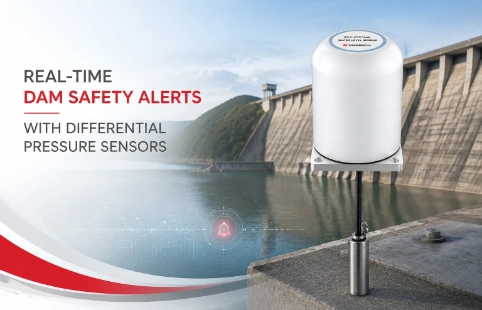
Real-Time Dam Safety Alerts with Differential Pressure Water Level Sensors
Key Takeaways An alert chain needs more than a sensor: define field in...

Vibrating Wire Strain Data Logger: Technical Data & Compatibility
Most strain monitoring projects don’t fail because of sensor drift. They fail because the data logger can’t interpret the gauge’s signal correctly at 3am when no one is watching. When you’re tracking stress in a tunnel lining or a dam abutment, the logger needs to excite the gauge properly, measure the resonant frequency without injecting noise, and store enough data points to catch gradual changes. Kingmach’s vibrating wire strain data logger addresses these points with careful front-end design and flexible logging schedules. We build it for engineers who have to deal with mixed sensor networks: one project might use five different gauge models, each with slightly different coil resistance and frequency range. This logger adapts to those variables without manual recalibration runs. The technical data in the next section covers the input ranges, resolution, and timing. If you have a specific gauge model or project spec, we can also adjust the firmware logging intervals or add custom alarm thresholds before shipment — a routine customization for long-term monitoring jobs.
Technical Detail
The data logger handles vibrating wire strain gauges with a frequency range spanning 400 Hz to 4000 Hz, which covers the majority of foil-type strain gauges and common embedment gauges used in concrete. It uses a pluck excitation method that avoids overheating the coil on dense measurement schedules. The input accuracy is built around a time-interval measurement resolution of 0.05 µs, translating to better than 0.1 Hz resolution under stable temperature. This matters when you’re looking for microstrain changes in a rock mass over months. Storage-wise, the logger records timestamped frequency and temperature readings on a removable SD card. Most configurations allow 2 million or more data points before cycling. For power, you can run it off a 12V battery or a small solar panel — standard in remote monitoring stations. Communication options include RS-485 and optional 4G for sites where you need daily data pushes to a server. Kingmach keeps the protocol open, so you’re not locked into a single software platform. One detail often overlooked: the logger’s input channel isolation. When you connect multiple gauges, crosstalk can mask small strain signals. We separate each channel with opto-isolated front ends and a guarded switching matrix. This isn’t unique, but we’ve seen installations where cheap multiplexers corrupted data. Our design has been validated in multi-point borehole extensometer setups where all gauges share a common cable bus, and still maintain the stated resolution. Finally, physical build: a die-cast aluminum housing rated IP66 for direct burial or wall mounting. The terminal strips accept 2.5 mm² wires with captive screws, and the labeling is large enough to read in a trench with a headlamp. If your project has custom requirements — say, a different sensor excitation voltage or an extra relay output — we often modify the firmware and hardware within a few weeks.
News
Key Takeaways An alert chain needs more than a sensor: define field in...
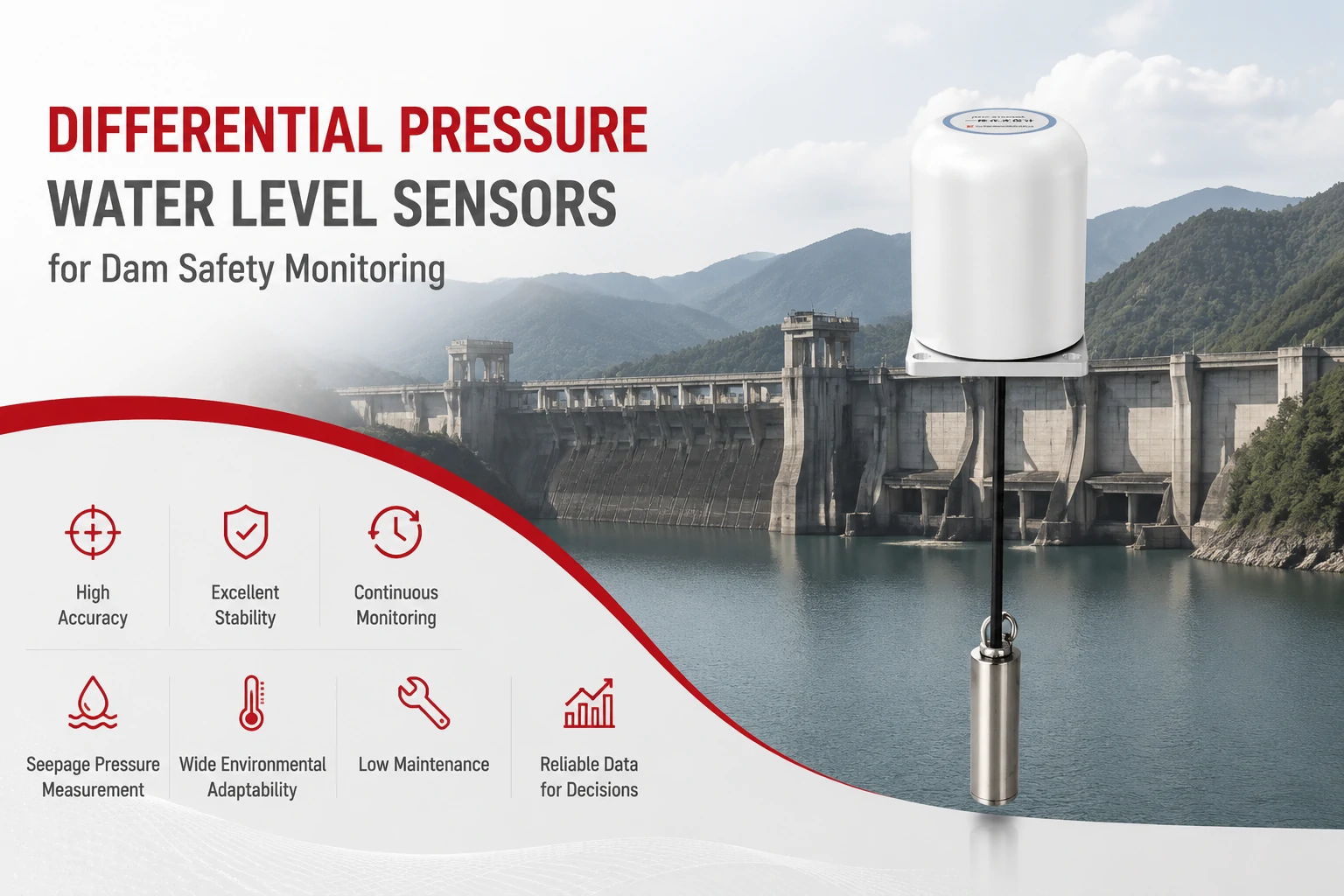
Key Takeaways The strongest fit is usually a confined, submerged, or s...
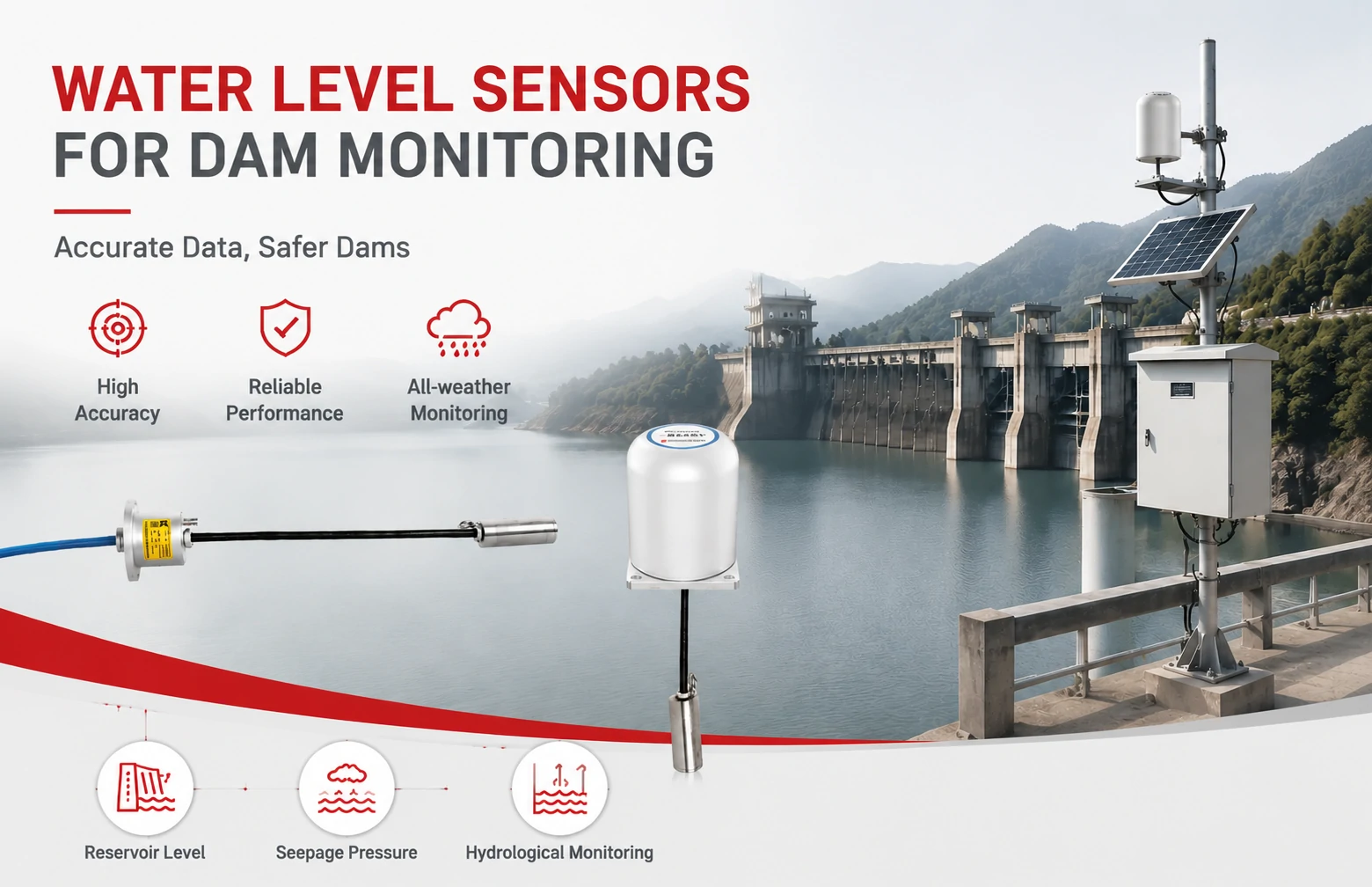
Kingmach Water Level Sensors for Dam Monitoring: A Buyer's Guide to Differential Pre...
Products
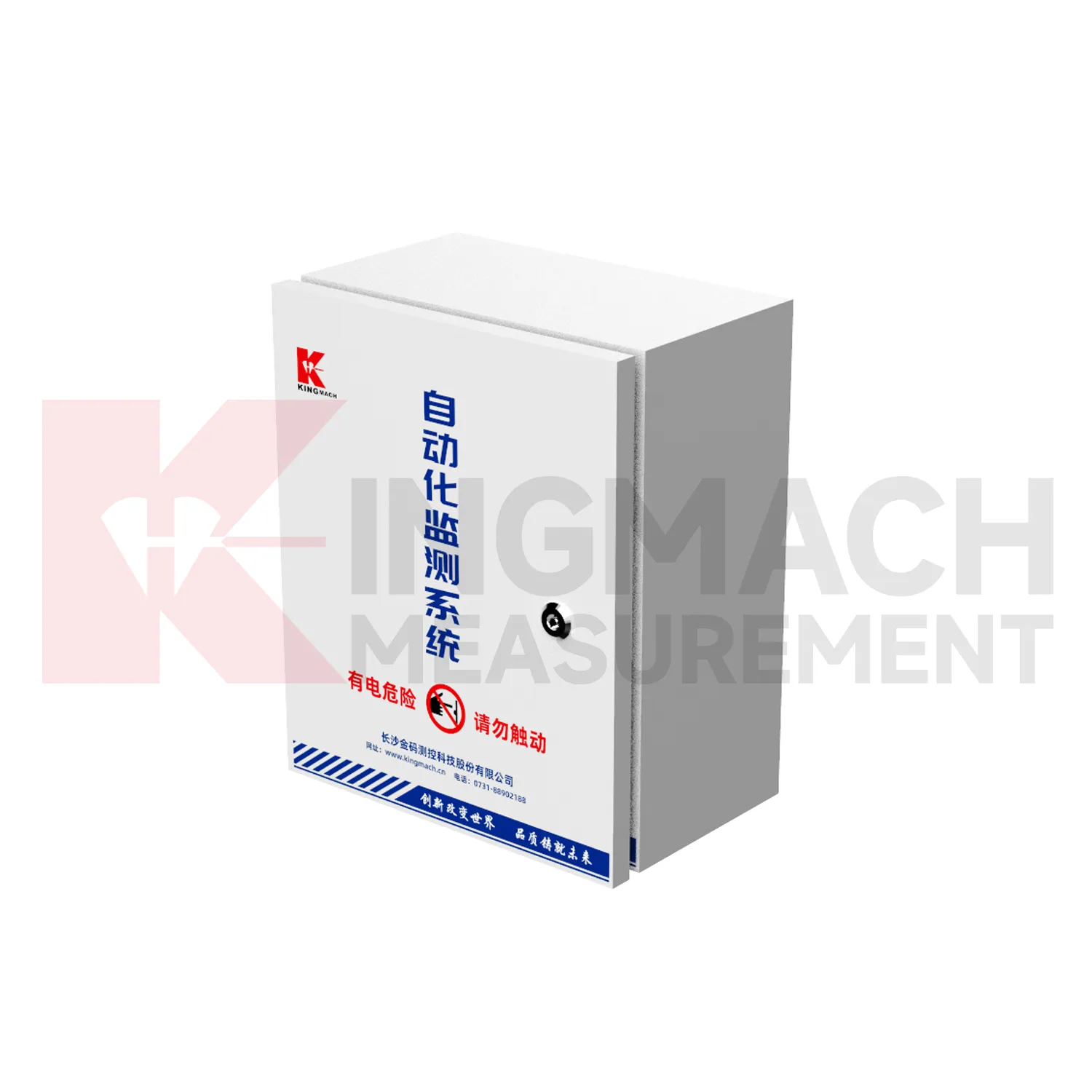
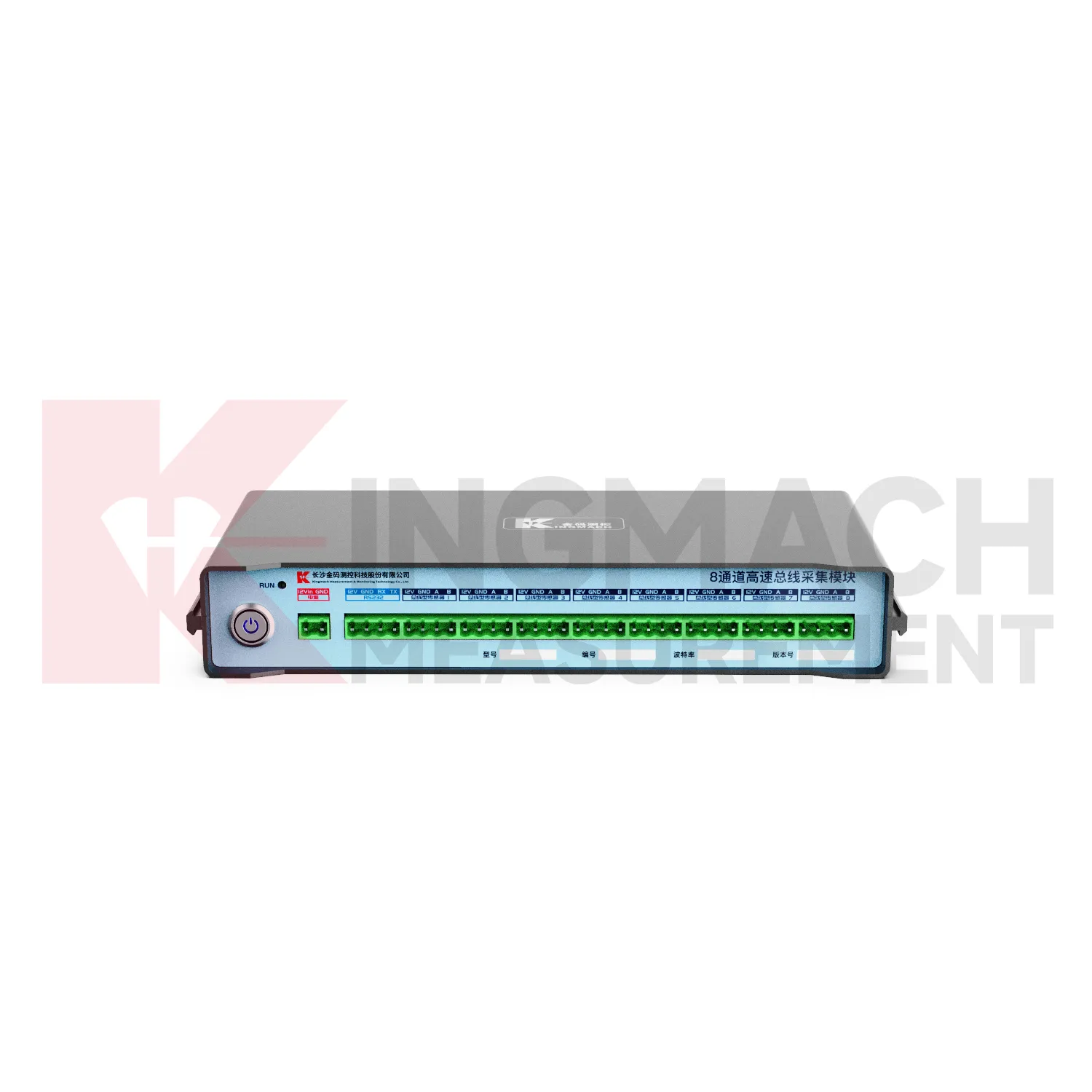
8-channel high-speed bus acquisition module JMJK-8DH
View Details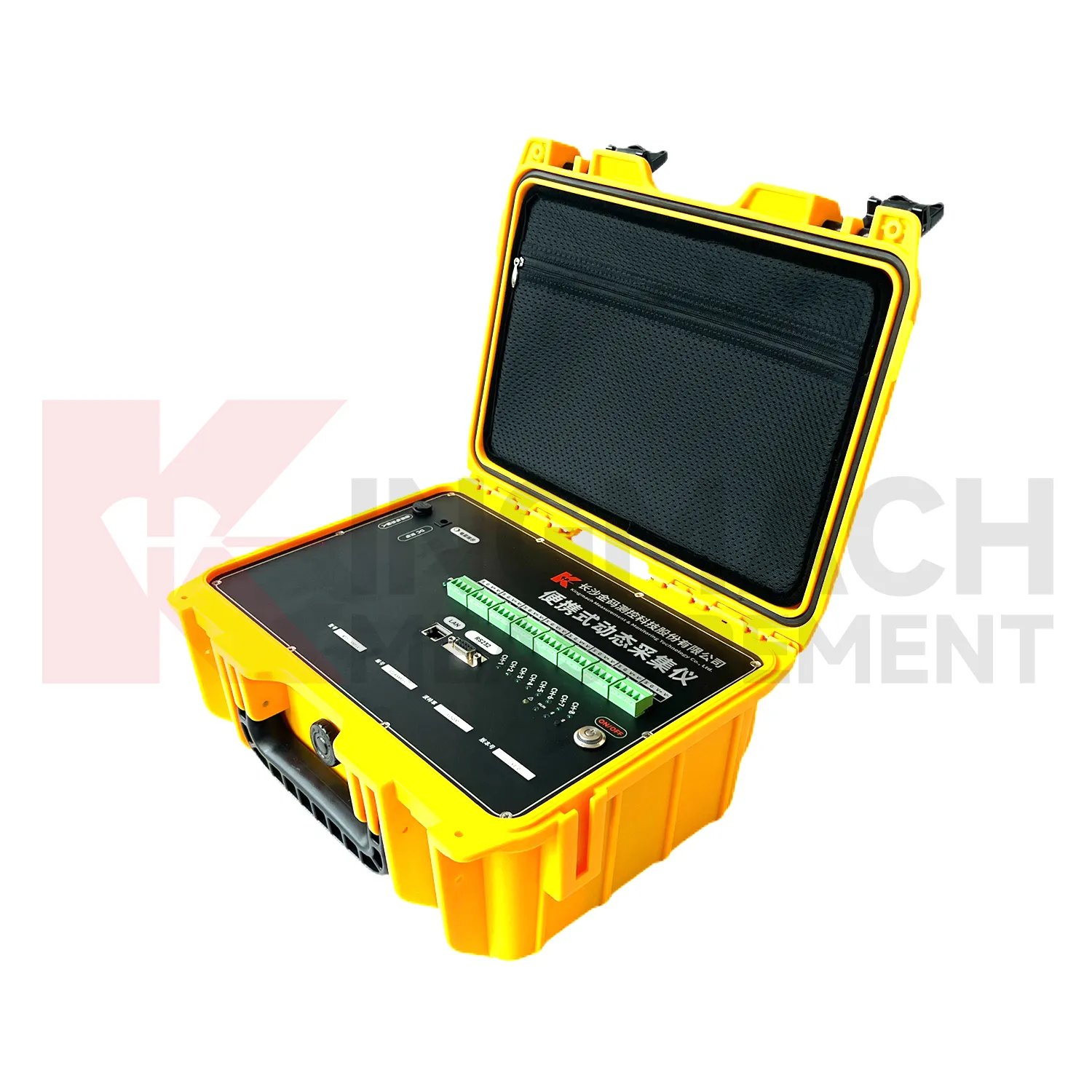
Portable Dynamic Signal Acquisition Readout JMYS-1008BX
View DetailsFAQ
Yes, it’s designed to work with any gauge that uses standard vibrating wire excitation. The logger auto-scans the coil resistance and adjusts the pluck pulse width accordingly. You’ll need to enter the gauge factor manually, but that’s a one-time setup per channel.
We’ve tested it reliably up to 1 km using shielded, twisted-pair cable. Beyond that, signal attenuation becomes a factor, and you might need a line amplifier. The input impedance is high enough that voltage drop isn’t the main limitation — it’s more about induced noise on long runs.
In low-power mode with one reading per hour and a 12V 7Ah battery, you can expect about 3 months of continuous operation. If you need readings every 5 minutes, a small solar panel becomes necessary. The sleep current is under 2 mA, so the logger spends most of its time in a deep-sleep state.
The base model has RS-485 for on-site download. We also offer an optional 4G module that sends data to a cloud platform on a schedule you set. It supports MQTT and FTP, so integration with third-party monitoring dashboards is straightforward.
Data is logged as CSV files on an SD card, with columns for timestamp, channel number, frequency (Hz), and temperature. If you need a custom format, the firmware can be adjusted before delivery.
Share your product type, target capacity, and application requirements. Our team can review the details and recommend a practical next step.
If you are interested in our products or want to become our partner.
Please leave your contact information, our team will contact you as soon as possible.
Mail: [email protected]
Contact Us: +8613808434127
Address: No. 188 Tongzipo West Rd, Changsha, Hunan, China