
 EN
EN
 ar
ar bg
bg hr
hr cs
cs da
da nl
nl fi
fi fr
fr de
de el
el hi
hi it
it ko
ko no
no pl
pl pt
pt ro
ro ru
ru es
es sv
sv tl
tl iw
iw id
id lv
lv lt
lt sr
sr sk
sk sl
sl uk
uk vi
vi et
et hu
hu th
th tr
tr fa
fa ms
ms hy
hy ka
ka ur
ur bn
bn mn
mn ta
ta kk
kk uz
uz ku
ku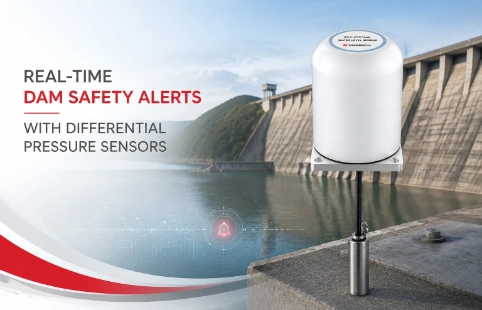
Real-Time Dam Safety Alerts with Differential Pressure Water Level Sensors
Key Takeaways An alert chain needs more than a sensor: define field in...

Smart Single-Point Settlement Gauge for Reliable Subsurface Monitoring
Settlement monitoring often comes down to trusting one number repeatedly over months or years. When that number drifts or spikes without reason, it can trigger unnecessary delays. Kingmach designed its smart single-point settlement gauge to cut through that noise. The sensor uses a proven vibrating wire element paired with integrated temperature compensation to keep readings consistent even when groundwater levels or backfill conditions change. Rather than chasing every specification, we focused on two things that field engineers actually care about: minimal drift over long-term installations and straightforward setup with standard geotechnical readout units. The gauge body is stainless steel, 27 mm in diameter, and comes in standard length options that can be customized for deeper boreholes. A ball-joint anchor and slip coupling make bottom-up installation faster, reducing the risk of grout leaks that can corrupt data from day one.
Technical Detail
Kingmach’s smart single-point settlement gauge measures vertical displacement at a specific depth, typically just below a foundation, embankment, or excavation. The instrument consists of a sensor housing, a connecting rod, and an anchor plate. The sensor itself is a temperature-compensated vibrating wire displacement transducer with a typical range of 50 mm, though 100 mm and 150 mm options are available on request. The resolution is better than 0.025% of full scale, which for a 50 mm gauge works out to less than 0.0125 mm—fine enough to spot pre-failure creep in stiff clays or rock. The housing is IP68-rated and backfilled with nitrogen to prevent internal condensation. What sets this gauge apart is how it handles installation. The anchor can be a single plate, a triple-spider assembly for soft ground, or a groutable expandable body. The connecting rod segments are threaded, and the top cap includes a survey target so you can cross-check settlement optically if needed. Readings are taken through a vented cable with a quick-connect junction box at the surface; the cable carries a thermistor signal for temperature correction. Output is compatible with most Campbell Scientific, Geokon, or RST data loggers, which means your existing monitoring network doesn’t need a separate infrastructure. Kingmach supports these gauges with customization options: longer rods, different anchor types, dual-level configurations where two sensors share one borehole, and even a Bluetooth adapter for manual readouts via mobile phone. Our engineers typically work with your site plan to suggest the right anchor and grout mix before the order ships. Because we’re a mid-range manufacturer, we keep lead times shorter than premium brands while still maintaining batch calibration records for every sensor.
News
Key Takeaways An alert chain needs more than a sensor: define field in...
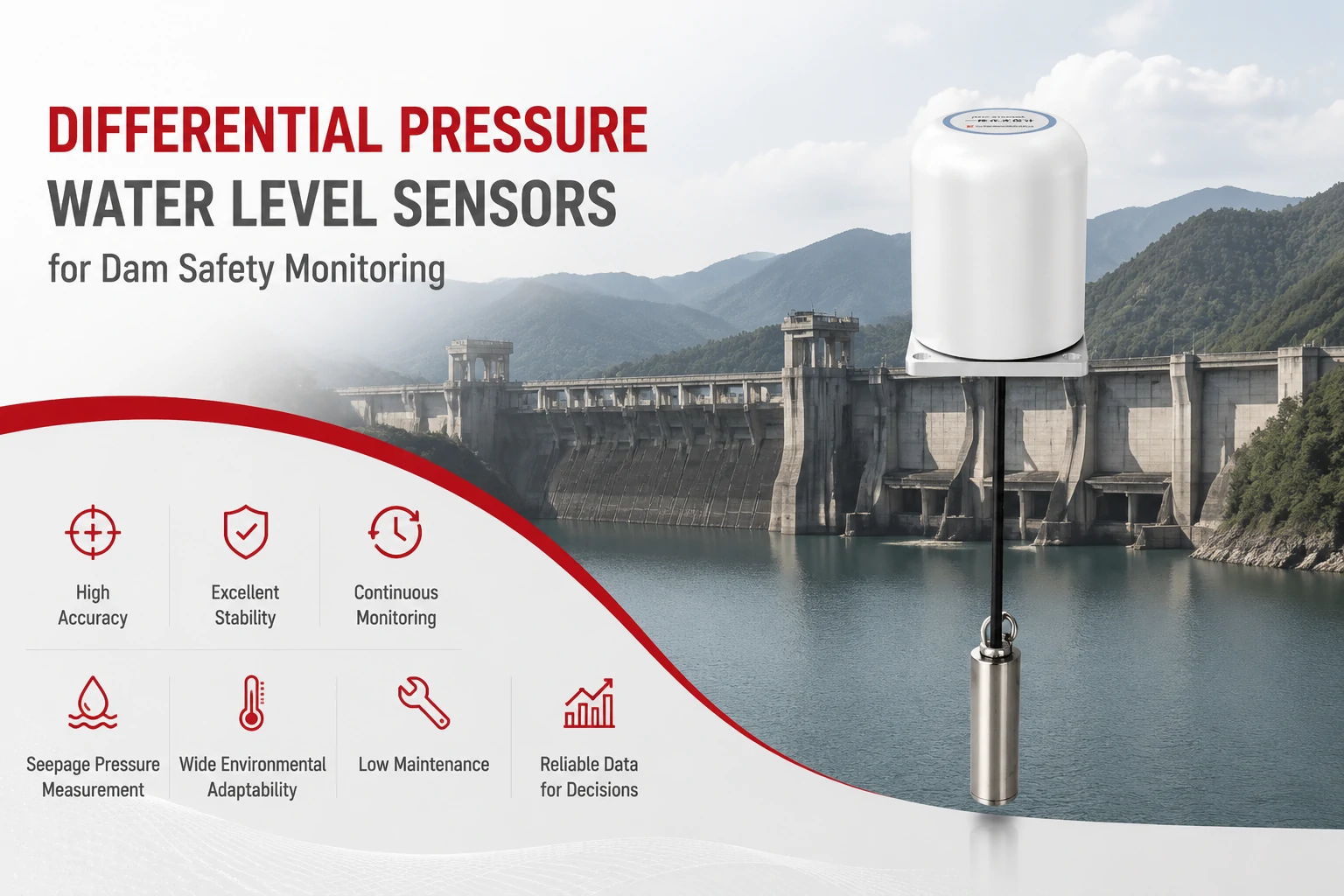
Key Takeaways The strongest fit is usually a confined, submerged, or s...
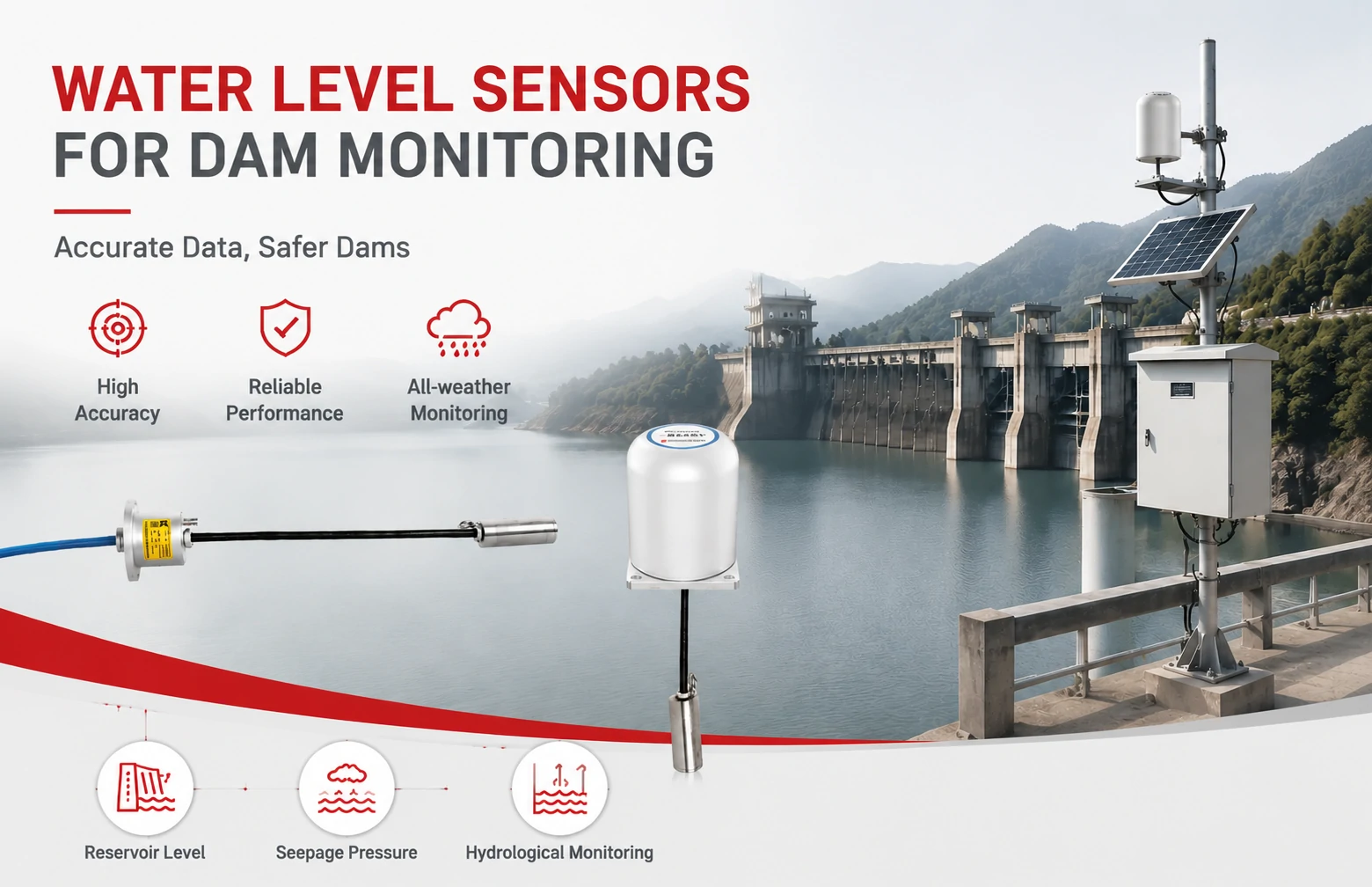
Kingmach Water Level Sensors for Dam Monitoring: A Buyer's Guide to Differential Pre...
Products
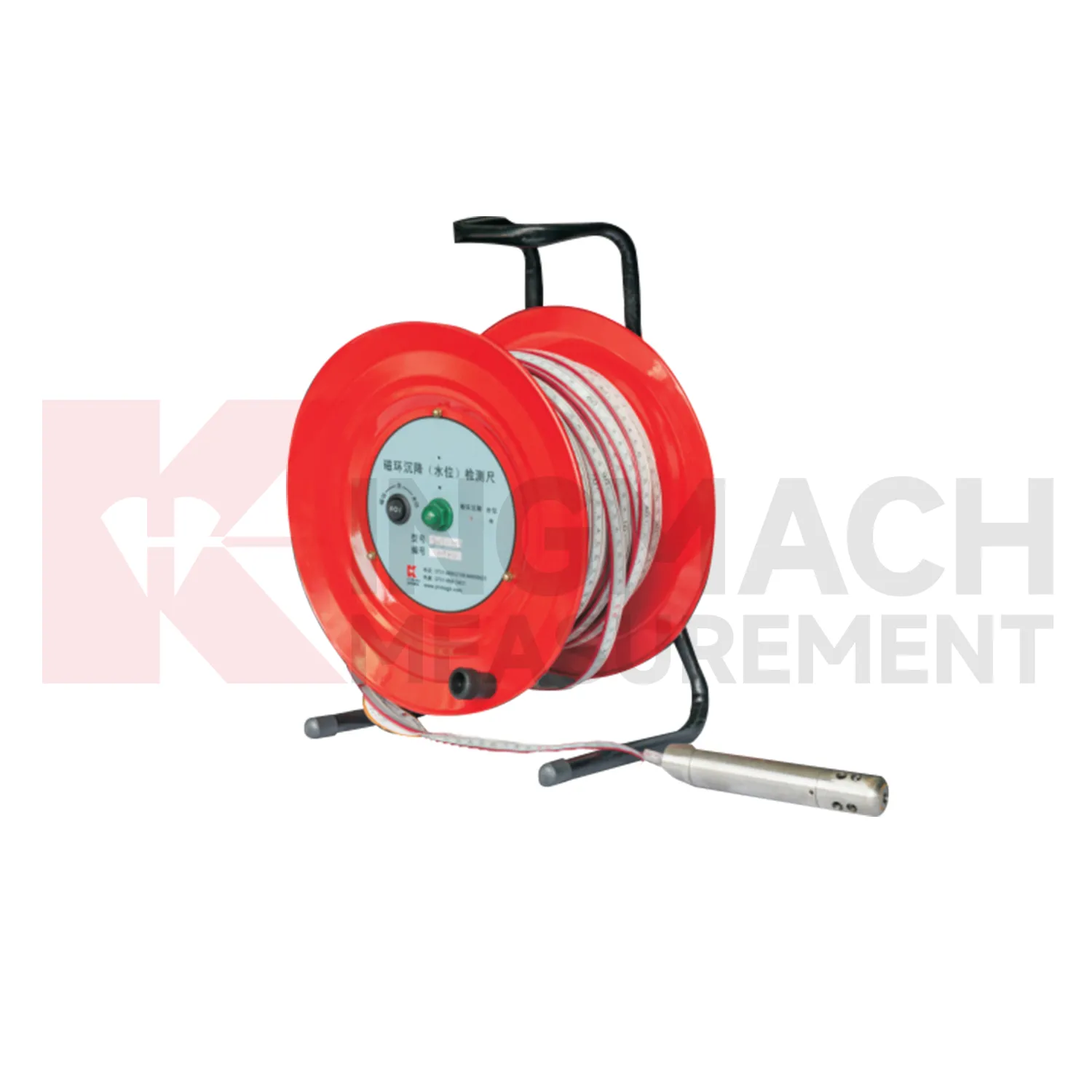
Magnetic Ring Settlement Water Level Gauge JMCJ-1003、1005
View Details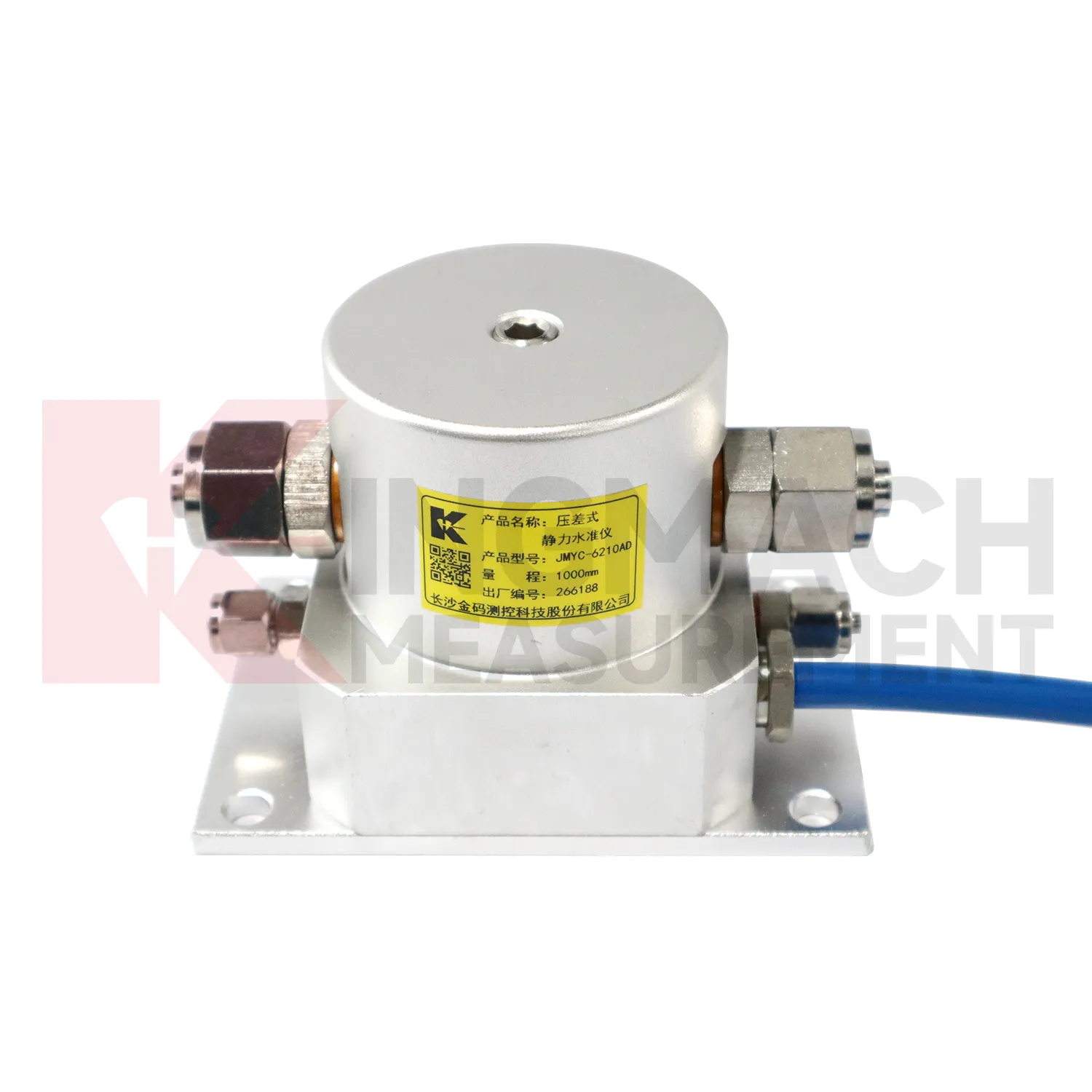
Wide-Range Differential Pressure Hydrostatic Level Sensor JMYC-62XXAD
View DetailsFAQ
A single-point gauge is best when you need to track settlement at one specific depth, like directly beneath a footing. If you need a profile of how different layers are compressing, a multi-point system makes more sense. Kingmach also offers a dual-level configuration that puts two sensors in one borehole for a simpler compromise.
Any logger that accepts vibrating wire inputs with a swept-frequency excitation can read it. Common models from Campbell Scientific, Geokon, and RST work out of the box. We provide a wiring diagram and sensor coefficients for your logger’s configuration file.
It’s designed for vertical or near-vertical installations. In horizontal applications, the rod and anchor setup loses its gravity-dependent seating. For that scenario, we usually suggest an in-place inclinometer or an array of fixed borehole extensometers.
Once installed and grouted, there’s no routine maintenance. The nitrogen backfill and IP68 housing protect the electronics. We recommend checking the zero reading with a manual readout box every six months and comparing it to the initial baseline to catch any shifts in the reference head.
The cable exits the borehole through a protective PVC conduit and terminates in a weatherproof junction box. If heavy construction traffic is a concern, we can supply a steel post-mounted enclosure that protects the box and provides a lockable door for readout access.
Share your product type, target capacity, and application requirements. Our team can review the details and recommend a practical next step.
If you are interested in our products or want to become our partner.
Please leave your contact information, our team will contact you as soon as possible.
Mail: [email protected]
Contact Us: +8613808434127
Address: No. 188 Tongzipo West Rd, Changsha, Hunan, China