
 EN
EN
 ar
ar bg
bg hr
hr cs
cs da
da nl
nl fi
fi fr
fr de
de el
el hi
hi it
it ko
ko no
no pl
pl pt
pt ro
ro ru
ru es
es sv
sv tl
tl iw
iw id
id lv
lv lt
lt sr
sr sk
sk sl
sl uk
uk vi
vi et
et hu
hu th
th tr
tr fa
fa ms
ms hy
hy ka
ka ur
ur bn
bn mn
mn ta
ta kk
kk uz
uz ku
ku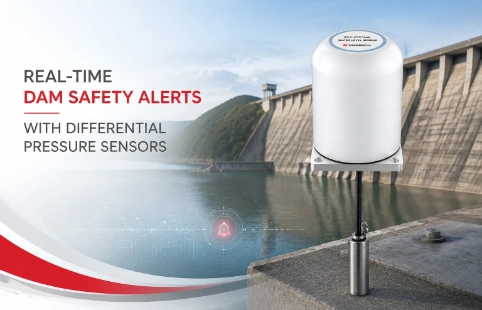
Real-Time Dam Safety Alerts with Differential Pressure Water Level Sensors
Key Takeaways An alert chain needs more than a sensor: define field in...

Isolated Temperature Acquisition Module for Harsh Field Monitoring
In geotechnical and structural health monitoring, clean temperature data starts with proper signal isolation. The isolated temperature acquisition module from Kingmach Measurement & Monitoring Technology takes that seriously—it keeps electrical noise and ground loops away from your sensor readings, so you’re not chasing phantom fluctuations. This module connects directly to common temperature sensors like thermocouples and RTDs, and sends the readings over standard industrial interfaces. The isolation barrier, typically rated at a few thousand volts, handles the kind of common-mode noise you get on long cable runs near power lines or variable-frequency drives. No need for extra signal conditioners in most setups. Kingmach has been building geotechnical instruments for years, and this module fits neatly into a larger system that might include tiltmeters, piezometers, or strain gauges. It’s one of those pieces of hardware that doesn’t call attention to itself until you realize your data has been rock-solid for months on end. For monitoring projects in tunnels, dams, or deep excavation sites, that kind of reliability is what keeps engineers sleeping at night.
Technical Detail
Temperature monitoring in the field often means dealing with long sensor cables, nearby electrical equipment, and lightning-prone sites. An isolated temperature acquisition module like the one Kingmach supplies is built to handle these headaches without corrupting the measurement. Inside, the analog front-end is galvanically separated from the digital side—this cuts interference and keeps your data acquisition system safe from voltage spikes. Users can choose from modules that accept thermocouple, RTD, or thermistor inputs, often with configurable cold-junction compensation for thermocouples. The output side typically provides RS-485, 4-20 mA, or voltage signals that talk to almost any datalogger or PLC. Multiple channels per module are common, so one unit can monitor several points simultaneously—useful for temperature profiling in boreholes or concrete curing. Kingmach’s manufacturing background in geotechnical instruments means these modules go through testing that mimics real deployment conditions: temperature cycling, vibration, and high humidity. They also offer customization. Need a specific thermocouple type, a non-standard baud rate, or a ruggedized enclosure for direct burial? That’s within their scope. The advantage here is you’re not locked into a catalog product with fixed specs; you can get something that matches your actual sensor network. Installation is straightforward. Terminals accept field wiring without special tools, and labeling follows common marking conventions so a technician on site won’t get confused. Once powered, the module typically needs no ongoing calibration for years, though annual verification is recommended in critical applications. For engineers running long-term monitoring on infrastructure like bridges or retaining walls, having an isolated module means one less variable to troubleshoot when data looks off. It’s a quiet but essential piece of the puzzle.
News
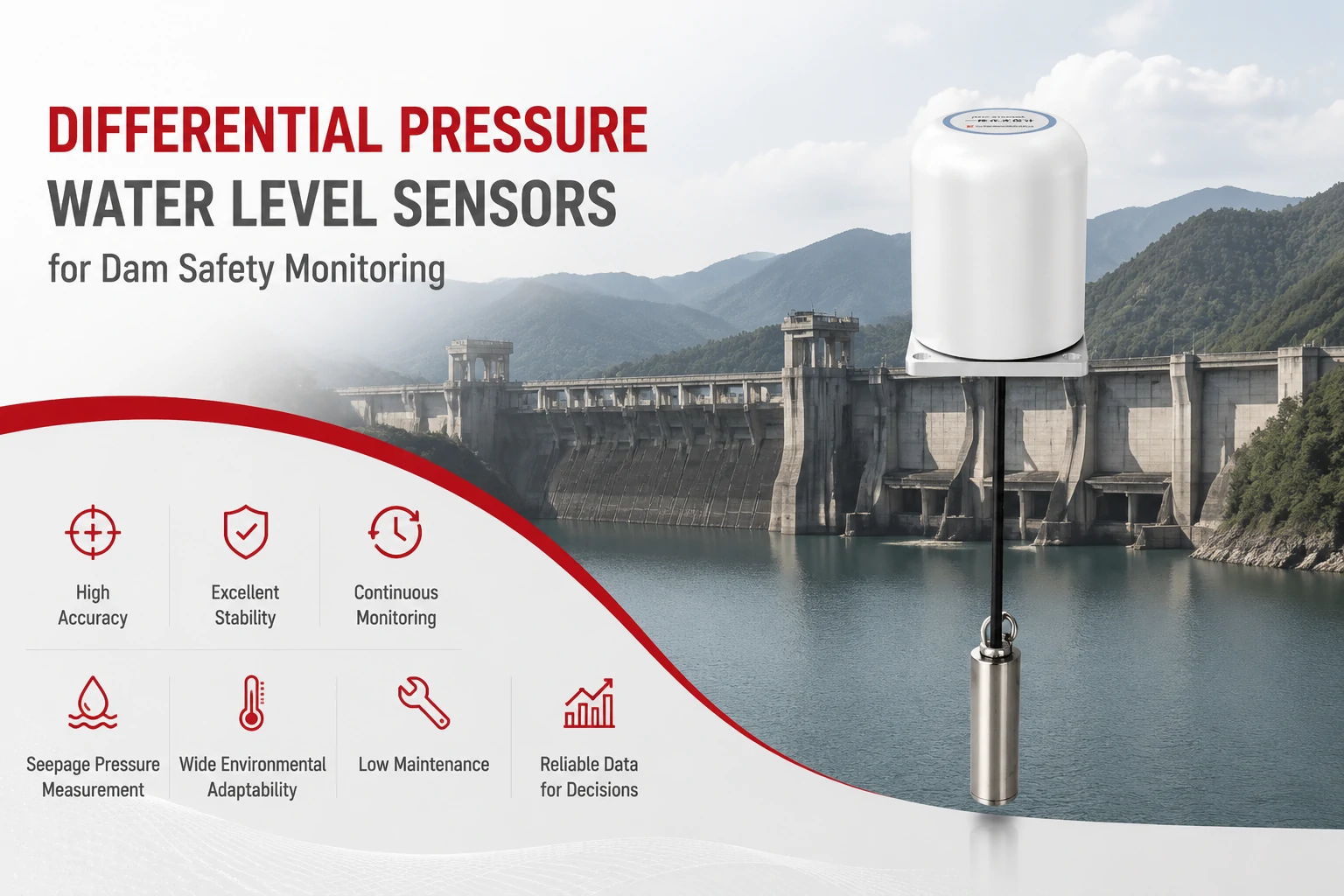
Key Takeaways An alert chain needs more than a sensor: define field in...
Key Takeaways The strongest fit is usually a confined, submerged, or s...
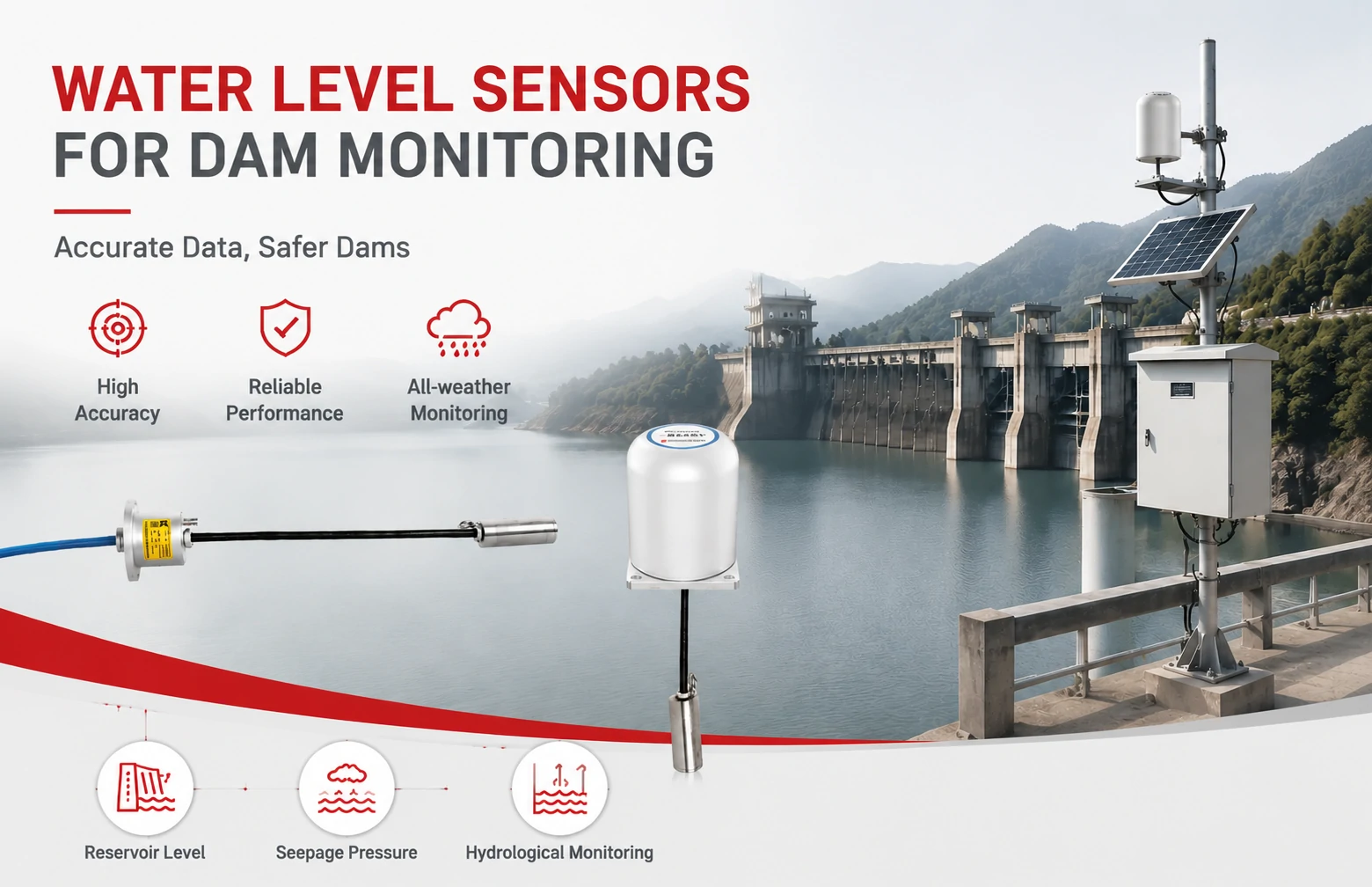
Kingmach Water Level Sensors for Dam Monitoring: A Buyer's Guide to Differential Pre...
Products
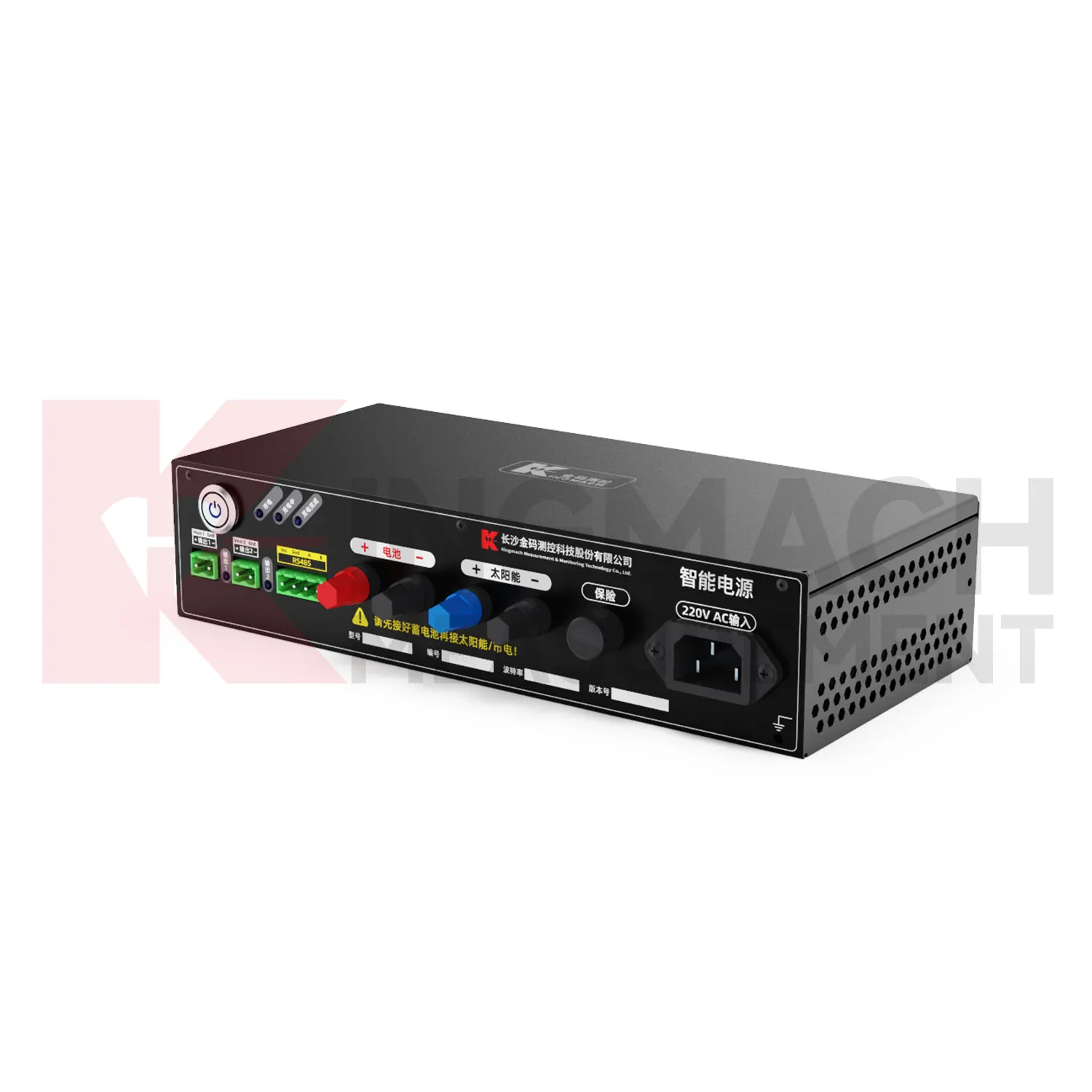
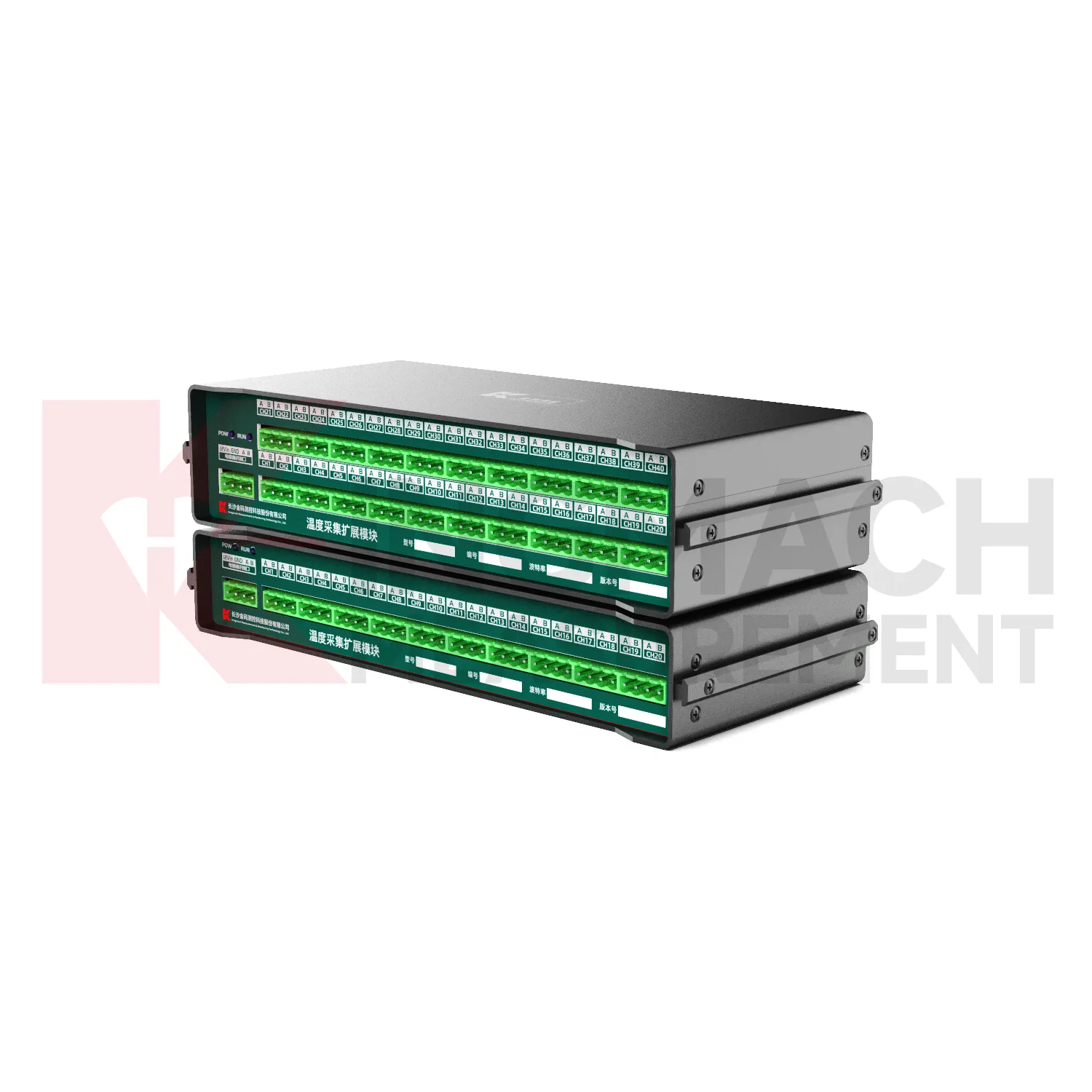
Temperature Acquisition Expansion Module JMWT-XXRTH
View Details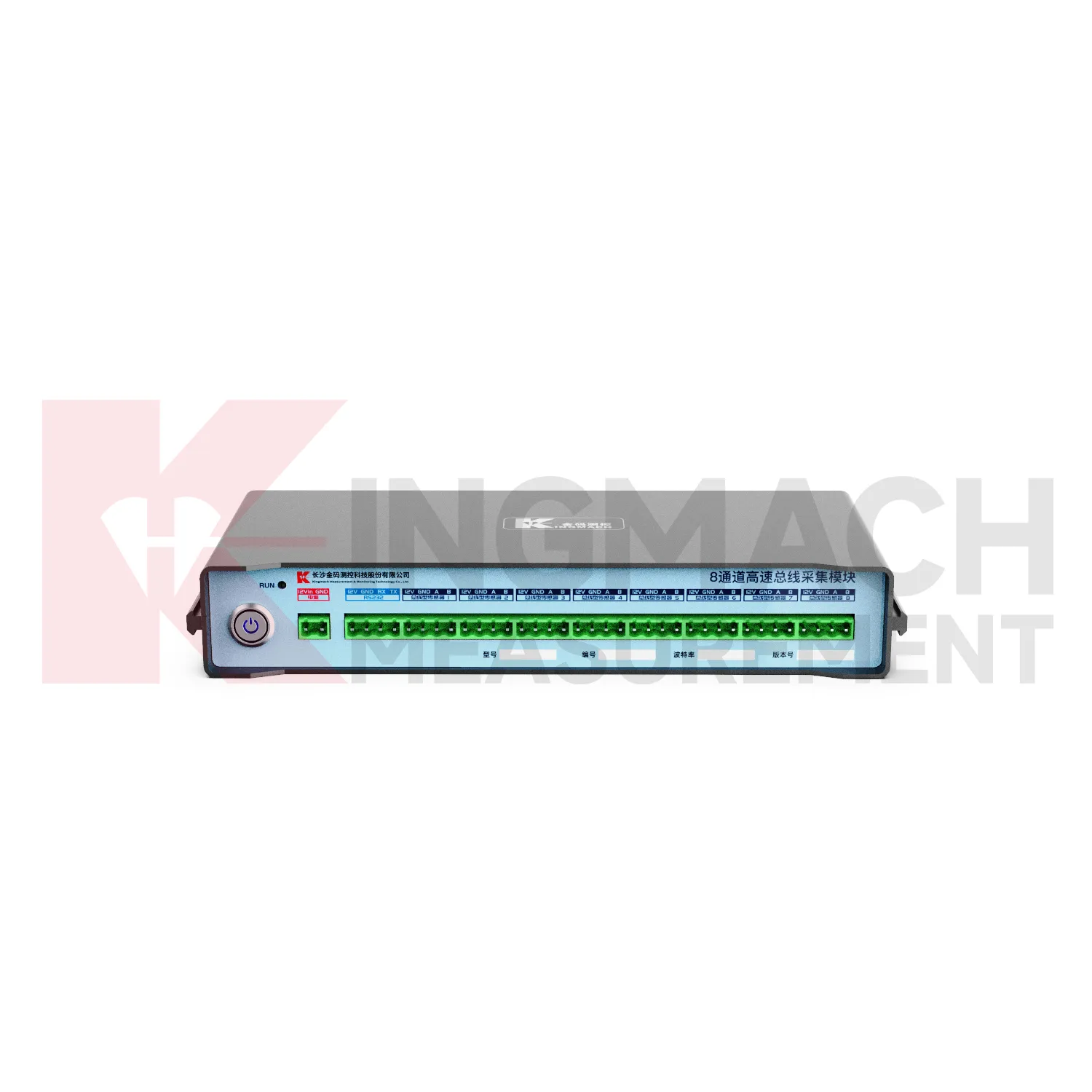
8-channel high-speed bus acquisition module JMJK-8DH
View DetailsFAQ
Isolation means there’s a galvanic barrier between the sensor input side and the output/communication side, typically using transformers or optocouplers. This breaks ground loops and prevents noise from long cable runs or nearby equipment from distorting the temperature reading. It also protects the data logger or PLC from voltage surges that might enter through the sensor wiring.
Most isolated temperature acquisition modules support the common industrial sensors: thermocouples (J, K, T, etc.), PT100 or PT1000 RTDs, and thermistors. Some models are fixed to one type, while others allow software configuration. For thermocouples, built-in cold-junction compensation is often included. Kingmach can customize the input range if your project uses a less common sensor.
Output is typically via RS-485 with Modbus RTU protocol, which is widely supported. Some versions may offer 4-20 mA analog outputs or 0-10 V signals for direct connection to older acquisition systems. The module’s registers are documented, making integration straightforward with standard industrial software.
The electronics are usually housed in a DIN-rail or small enclosure meant for weatherproof cabinets. For direct outdoor exposure, you’d select a version with a rugged IP65 or IP67 enclosure and cable glands. Such variants are often available through customization, with conformal coating on the PCB to resist humidity. Standard operating temperature range for the module itself is typically -20 to 70 °C, but extended ranges can be specified.
Yes. As a manufacturer focused on geotechnical instruments, Kingmach often adjusts sensor input types, channel counts, or housing style. Other common requests include predefined alarm thresholds, custom labeling, or integration with SDI-12 networks. It’s a good idea to share your wiring diagram and data requirements early, so they can match the module to your exact setup.
Share your product type, target capacity, and application requirements. Our team can review the details and recommend a practical next step.
If you are interested in our products or want to become our partner.
Please leave your contact information, our team will contact you as soon as possible.
Mail: [email protected]
Contact Us: +8613808434127
Address: No. 188 Tongzipo West Rd, Changsha, Hunan, China