
 EN
EN
 ar
ar bg
bg hr
hr cs
cs da
da nl
nl fi
fi fr
fr de
de el
el hi
hi it
it ko
ko no
no pl
pl pt
pt ro
ro ru
ru es
es sv
sv tl
tl iw
iw id
id lv
lv lt
lt sr
sr sk
sk sl
sl uk
uk vi
vi et
et hu
hu th
th tr
tr fa
fa ms
ms hy
hy ka
ka ur
ur bn
bn mn
mn ta
ta kk
kk uz
uz ku
ku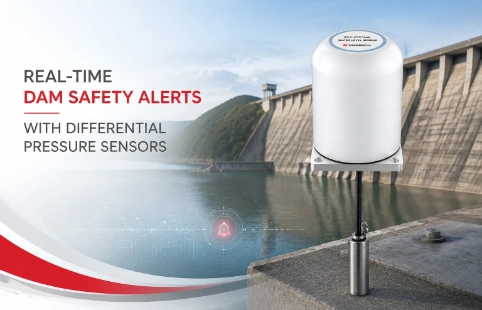
Real-Time Dam Safety Alerts with Differential Pressure Water Level Sensors
Key Takeaways An alert chain needs more than a sensor: define field in...

IoT Online Monitoring System for Continuous Safety Monitoring
When a slope starts to move, or a retaining wall develops a crack, catching it early makes the difference between a repair and a disaster. That’s where an IoT online monitoring system shifts from a nice-to-have to a project requirement. Kingmach has been putting together these systems for years, combining sensors that measure tilt, pressure, displacement, and vibration with a cloud platform that doesn’t sleep. What sets it apart isn’t a single feature but how the pieces fit: instruments that come from our own production lines, setup that doesn't require a team of software engineers, and technical support that stays with you through the monitoring period. This isn’t a generic IoT dashboard; it’s a tool built for geotechnical and structural engineers who need to trust their data when conditions change without warning. That real ability to shape the system around project needs, rather than buying a fixed kit, makes Kingmach a natural partner for monitoring programs that start small and scale.
Technical Detail
A monitoring system’s value is measured by the decisions it enables. Kingmach’s IoT online monitoring system is built to feed real-time field conditions into your project workflow without adding noise. The hardware side pulls from a wide catalog of geotechnical and structural sensors—inclinometers, piezometers, crack meters, load cells—many of which we manufacture ourselves. That matters because it means one source for sensor calibration, wiring, and compatibility checks. The field devices connect through robust data loggers that handle 4G, LoRa, or narrowband IoT depending on your site’s signal environment, and they’re housed to take heat, rain, and dust. On the software side, data lands in a browser-based platform that doesn’t require special software. You get trend charts, threshold alarms that push to phone or email, and reports that can be formatted for project stakeholders. We’ve seen systems deployed on dam abutments, deep excavations next to heritage buildings, and landslide-prone highway cuts. In each case, the monitoring scheme is adapted: sensor types, sampling intervals, alarm logic, even dashboard layout. Because Kingmach is not just a reseller. We design and manufacture the instruments, so when a project calls for a sensor mounting bracket that doesn’t exist in a catalog, our engineering team can draw it up and include it. And when something drifts out of spec, our support doesn’t just point at the manual; we pull data, check firmware, and get on a call. That’s the difference between an IoT box and a monitoring system you can stake a safety decision on.
News
Key Takeaways An alert chain needs more than a sensor: define field in...
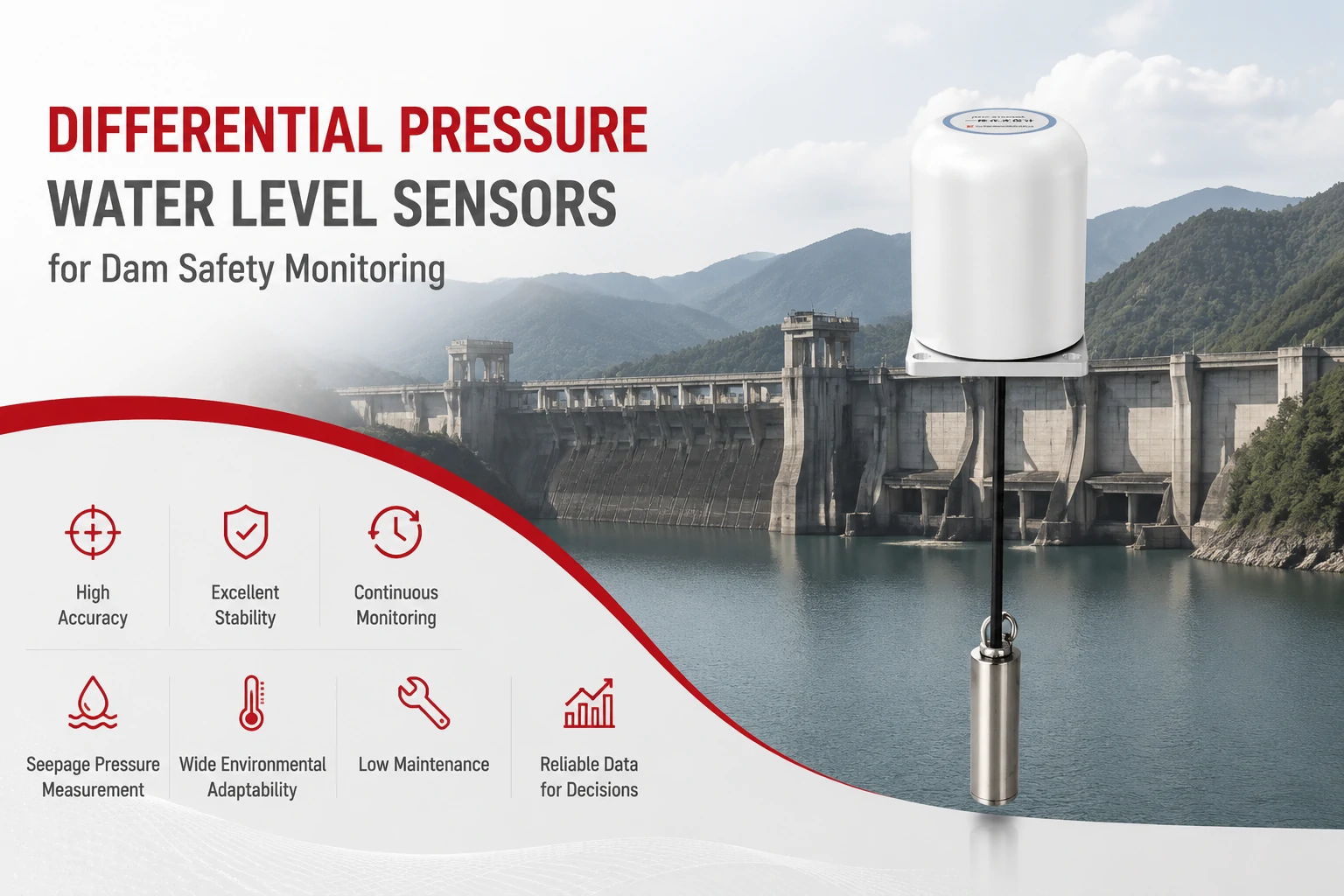
Key Takeaways The strongest fit is usually a confined, submerged, or s...
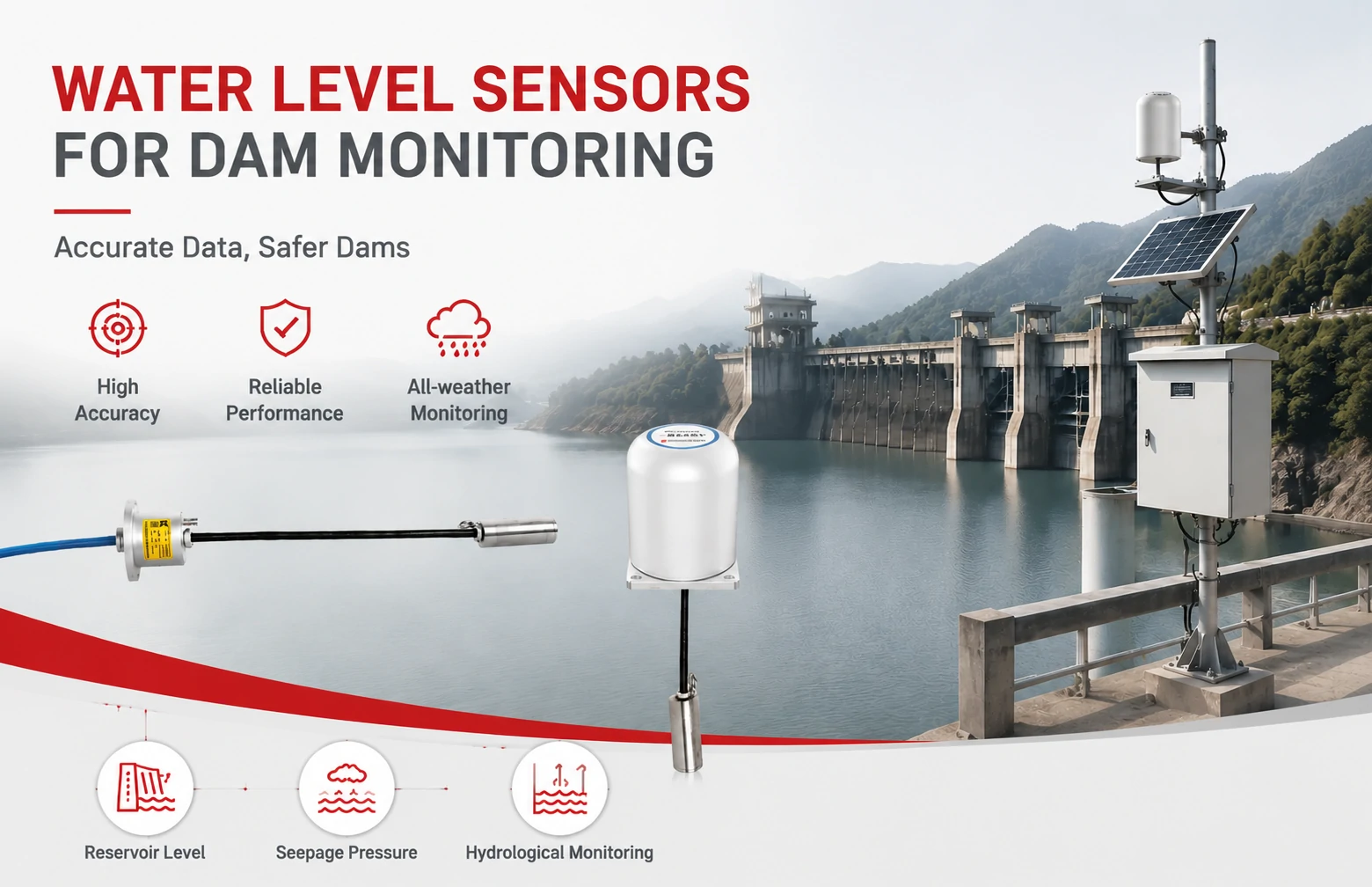
Kingmach Water Level Sensors for Dam Monitoring: A Buyer's Guide to Differential Pre...
Products
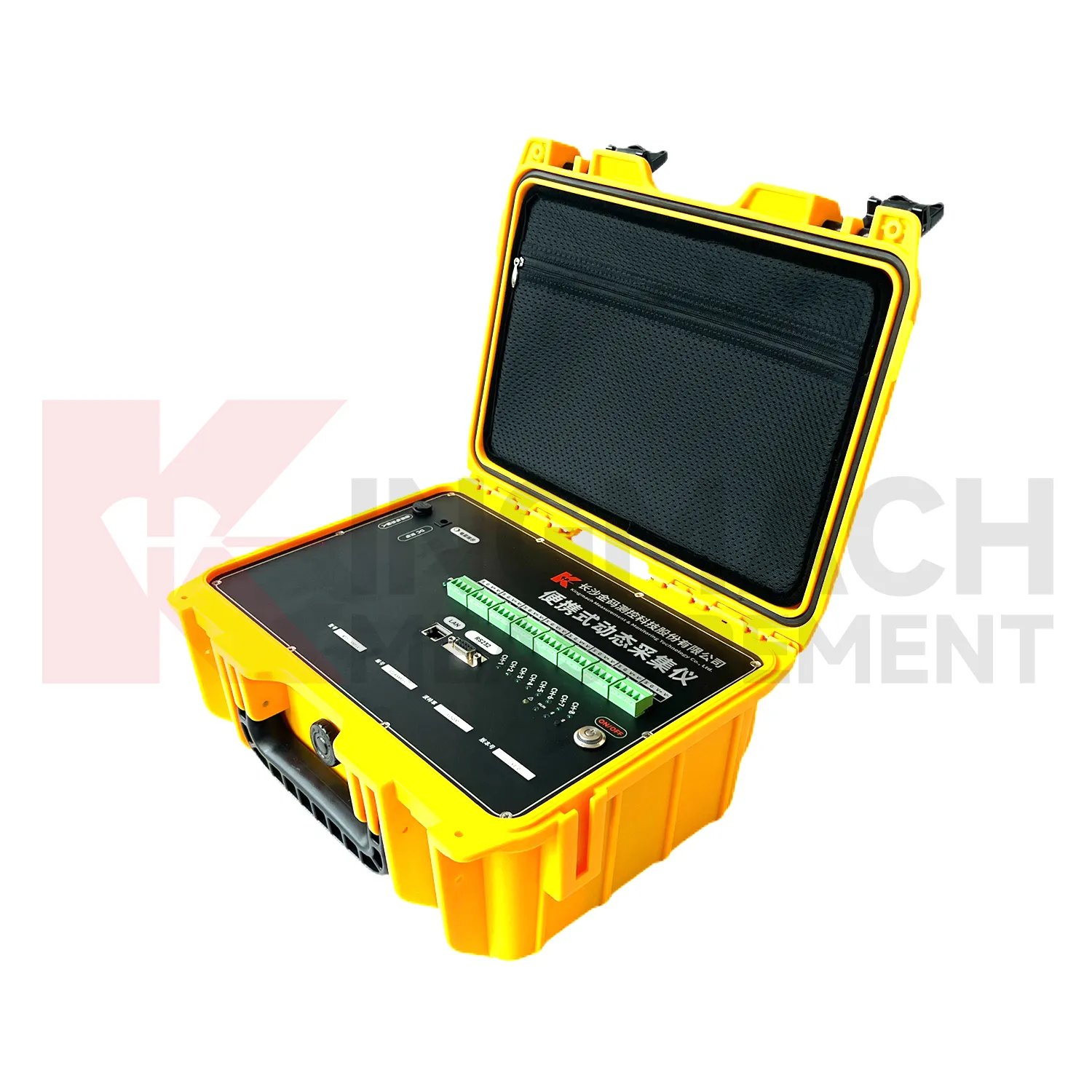
Portable Dynamic Signal Acquisition Readout JMYS-1008BX
View Details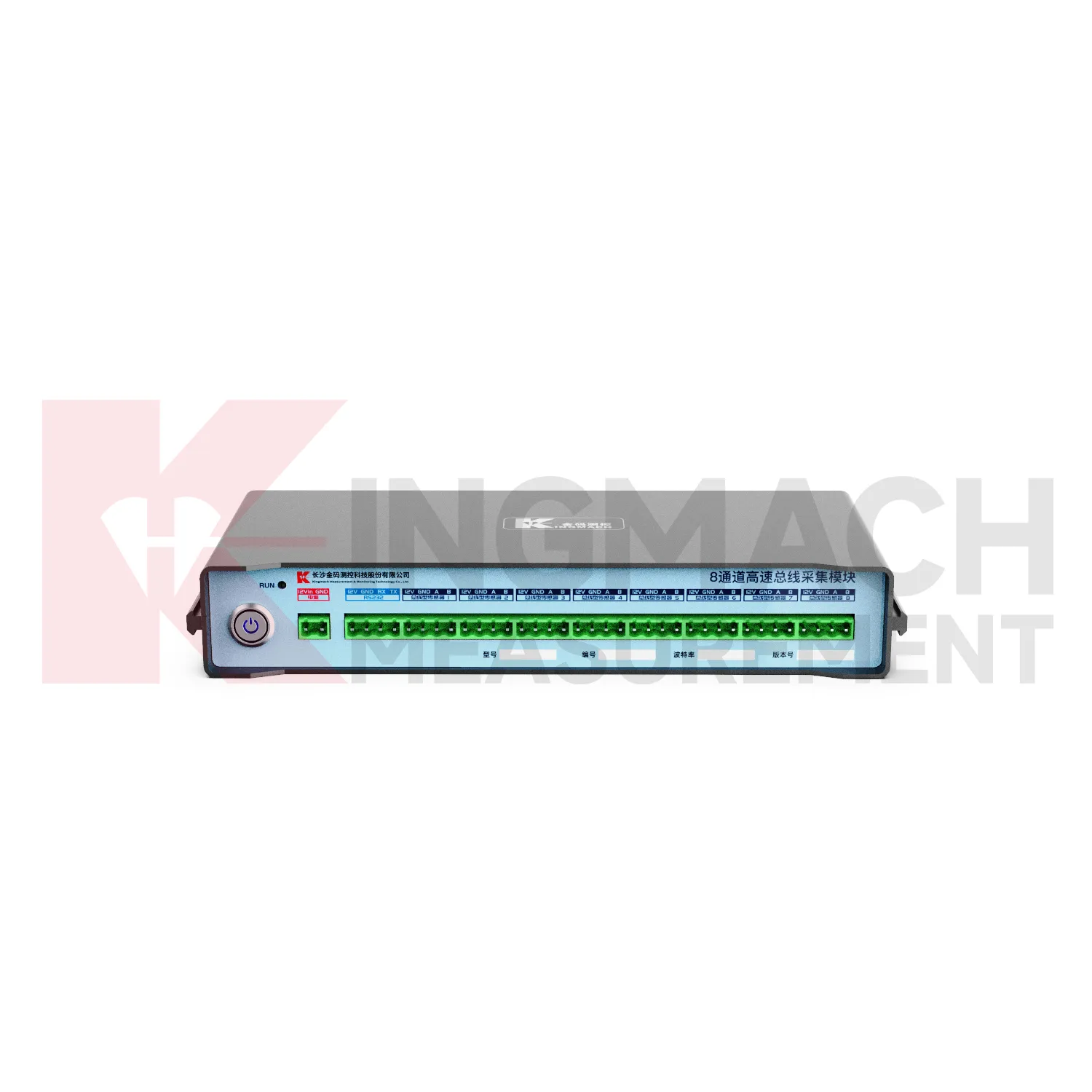
8-channel high-speed bus acquisition module JMJK-8DH
View Details
FAQ
Pretty much any sensor that outputs a standard electrical signal—vibrating wire, 4-20mA, RS485, even some MEMS digital units. Typically our customers use it with inclinometers, piezometers, crack meters, and weather stations. Because we make many of these instruments ourselves, we pre-test the communication and power draw so you don’t end up hunting for a compatible logger.
Yes. The platform runs in a web browser, so any device with internet can log in. We also push alarms through SMS, email, or app notifications. Really, the idea is that you shouldn’t have to be at a desktop to know something changed.
The dataloggers support multiple communication options. If cellular is weak, we can use LoRa to reach a gateway at a better location, or switch to satellite terminals for extremely remote spots. We’ve done setups where a solar panel and a satellite modem were the only way to get data out—and it worked.
It’s modular by design. You can start with five sensors on one logger and expand to hundreds of sensors across multiple loggers later. The dashboard and alarms can be configured per sensor group, so a large project can have different zones with different alert thresholds.
We provide setup commissioning, training for your team, and ongoing technical support. Because we build the hardware, we can dig deep into issues if a sensor reading looks odd. Most problems are sorted out with a firmware check or a configuration tweak, not a site visit.
Share your product type, target capacity, and application requirements. Our team can review the details and recommend a practical next step.
Related Keywords
If you are interested in our products or want to become our partner.
Please leave your contact information, our team will contact you as soon as possible.
Mail: [email protected]
Contact Us: +8613808434127
Address: No. 188 Tongzipo West Rd, Changsha, Hunan, China