
 EN
EN
 ar
ar bg
bg hr
hr cs
cs da
da nl
nl fi
fi fr
fr de
de el
el hi
hi it
it ko
ko no
no pl
pl pt
pt ro
ro ru
ru es
es sv
sv tl
tl iw
iw id
id lv
lv lt
lt sr
sr sk
sk sl
sl uk
uk vi
vi et
et hu
hu th
th tr
tr fa
fa ms
ms hy
hy ka
ka ur
ur bn
bn mn
mn ta
ta kk
kk uz
uz ku
ku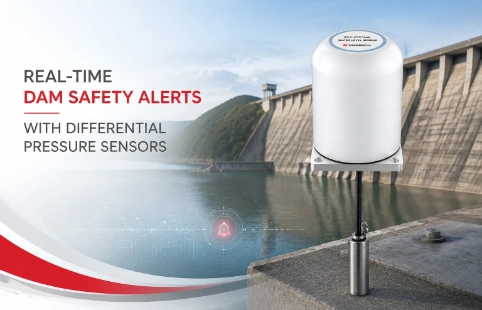
Real-Time Dam Safety Alerts with Differential Pressure Water Level Sensors
Key Takeaways An alert chain needs more than a sensor: define field in...

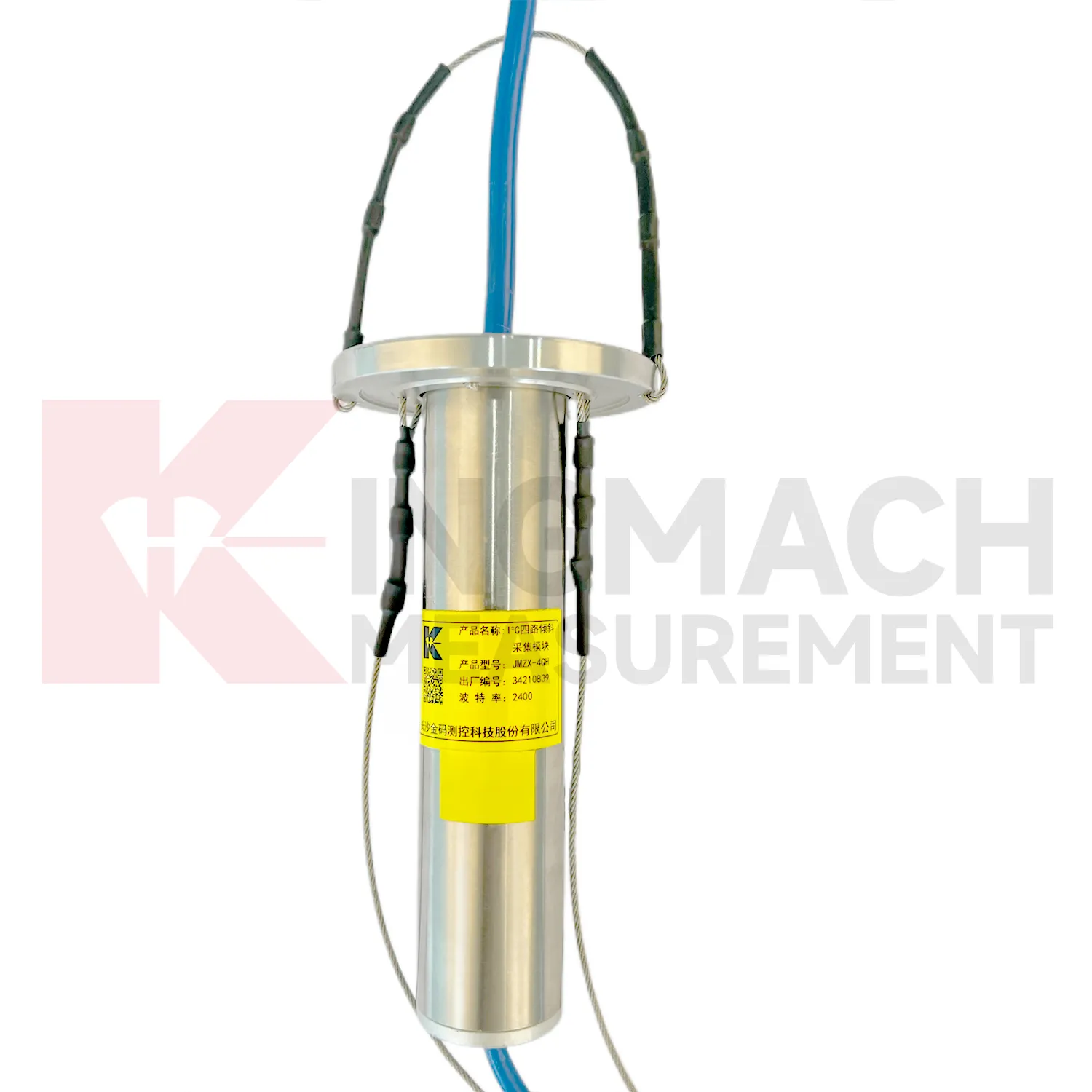
I²C 4-Channel Inclination Acquisition Module for Tilt Monitoring
The I²C 4-channel inclination acquisition module addresses the need to read multiple tilt sensors simultaneously without a mountain of wiring. Rather than running four separate analog signal lines back to the controller, this module digitises up to four inclinometer channels on the spot and talks to your system over a simple two-wire I²C bus. Kingmach, a brand with decades of geotechnical instrument experience, offers it as part of a wider monitoring portfolio—often customised for the specific baud rates or channel assignments a project demands. The end result is cleaner junction boxes and fewer points of failure. For engineers deploying in-place inclinometers on retaining walls, landslides, or deep excavations, the module reduces the time spent on cable routing and troubleshooting. In the field, that translates to quicker commissioning and less data loss from connector fatigue.
Technical Detail
This I²C 4-channel inclination acquisition module converts analog tilt signals from conventional MEMS or servo inclinometers into a digital stream that any microcontroller or data logger can grab. The four channels accept voltage or current inputs—the exact range is configured at the factory—and the onboard ADC resolves each channel at 16-bit resolution, giving enough granularity for sub-millimetre deformation tracking in structural health monitoring. Kingmach builds these modules with an eye toward field longevity: the PCB passes conformal coating for humidity resistance, and the terminal blocks are sized for 0.5–1.5 mm² conductors, the sort run inside borehole casing. Integration is straightforward. You supply 5–24 V DC, hook up the two I²C lines, and the module appears at a factory-set address. If you need more than four channels on one bus, multiple modules can be daisy-chained by reprogramming the address pins. Kingmach’s support team typically provides the register map and a basic Arduino or Python script to get you reading angles within the first hour. For monitoring firms that deploy hundreds of tilt strings annually, the standardised communication eliminates the need for custom signal conditioning every time. Common applications include active landslide arrays, tunnel convergence sections, and dam abutment tilt stations where data is logged at intervals from once per minute to once per day.
News
Key Takeaways An alert chain needs more than a sensor: define field in...
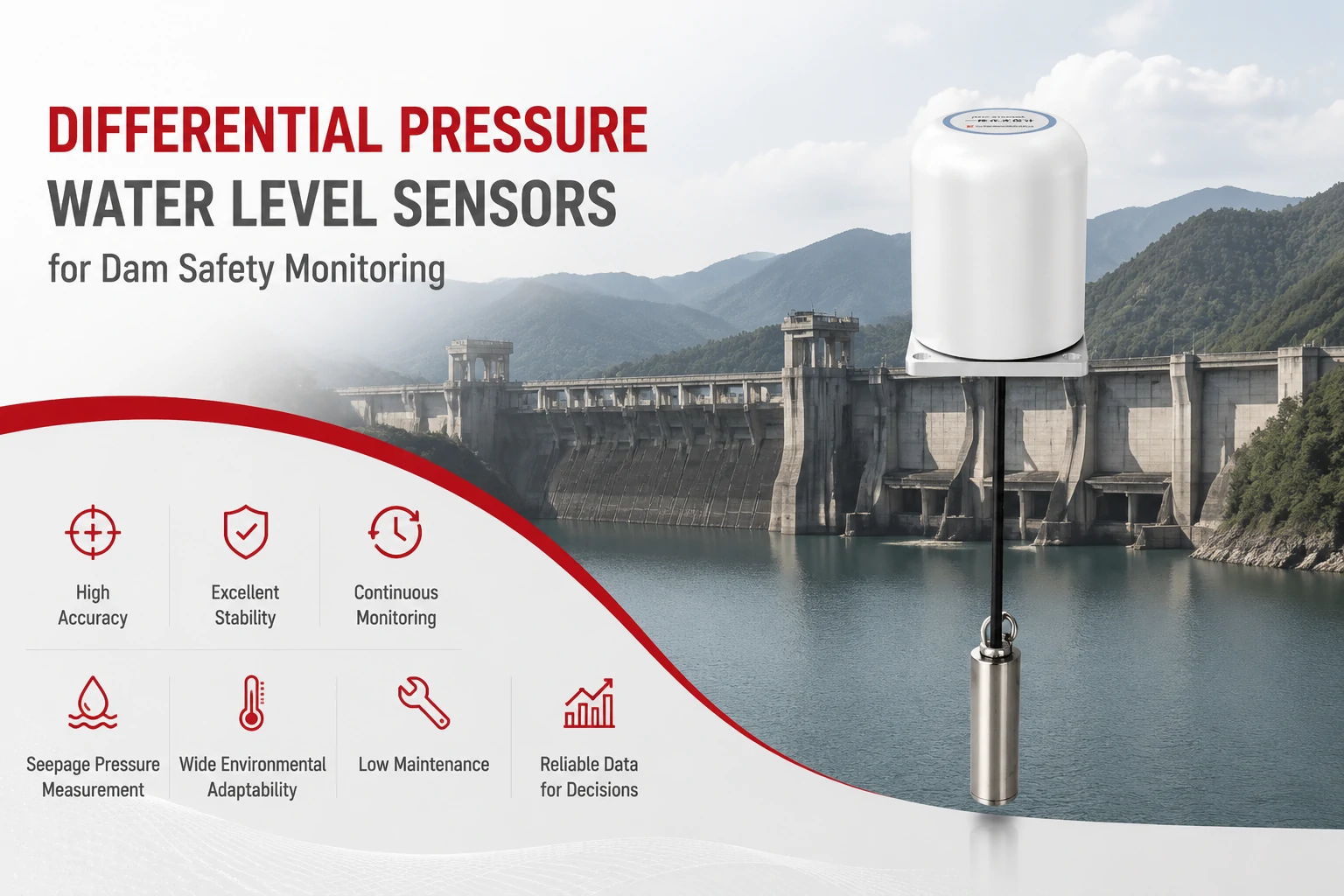
Key Takeaways The strongest fit is usually a confined, submerged, or s...
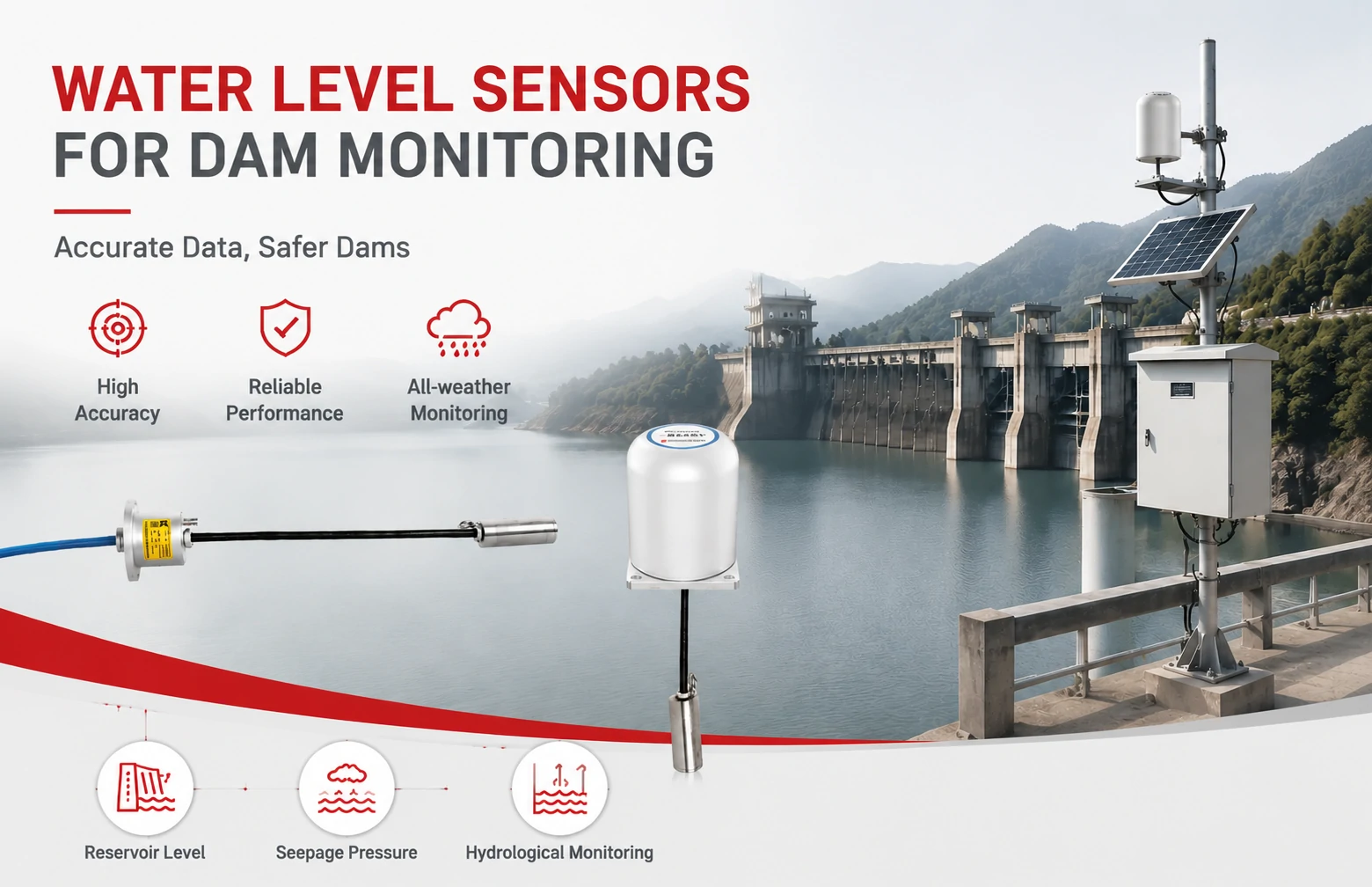
Kingmach Water Level Sensors for Dam Monitoring: A Buyer's Guide to Differential Pre...
Products
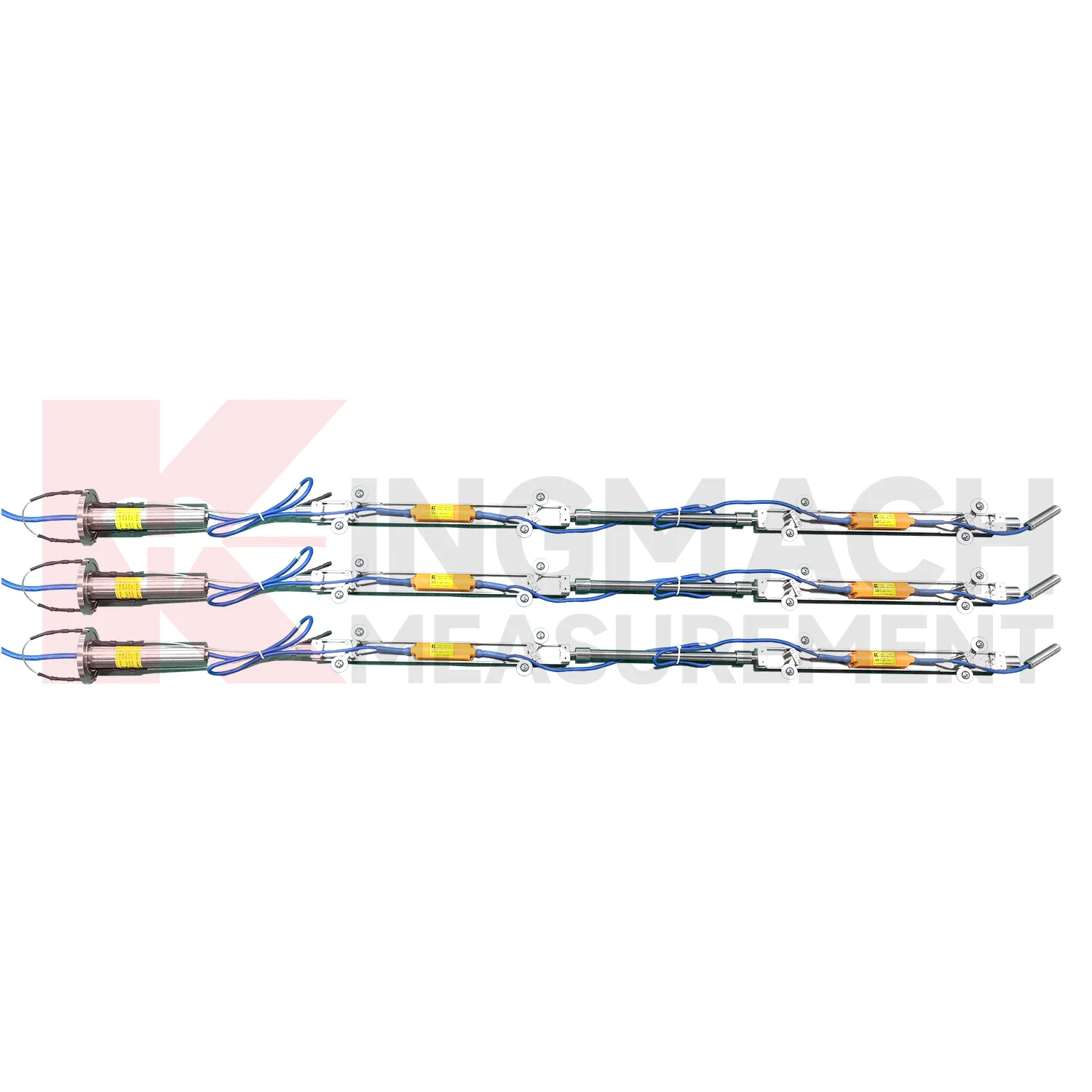
Vertical In-Place Inclinometer System JMQJ-7915ATS
View Details
I²C 4-Channel Inclination Acquisition Module JMZX-4QH
View DetailsFAQ
Yes. The module outputs digital data over I²C, so pairing it with a LoRa or NB-IoT logger simply requires connecting the bus lines and providing 3.3–5 V logic. The logger just needs an I²C master interface—practically all modern MCUs have it—and a handful of registers to store tilt counts.
The module accepts voltage and current-loop sensors. Uniaxial and biaxial MEMS probes with 0–5 V or 4–20 mA output are the most common. Kingmach can preset the input range during production if you are using an unusual sensor, as long as it falls within the module’s hardware limits.
Each channel has programmable gain and offset registers accessible through I²C. You can perform a two-point calibration by placing the sensor at known angles and writing the corresponding raw ADC values. Many users script this once and then push the same coefficients across an entire batch of modules.
For the sensor side, yes—the module sits close to the inclinometer string, so the analog run is short. The I²C bus itself is intended for distances under a few metres. If your logger is far away, a common approach is to place a small single-board computer at the wellhead that reads I²C locally and then forwards data over RS-485 or cellular.
Absolutely. Kingmach offers the board as an OEM component, either bare or with a simple acrylic cover, for projects where the module is potted inside a larger housing. Bulk orders often ship this way to reduce weight and volume.
Share your product type, target capacity, and application requirements. Our team can review the details and recommend a practical next step.
If you are interested in our products or want to become our partner.
Please leave your contact information, our team will contact you as soon as possible.
Mail: [email protected]
Contact Us: +8613808434127
Address: No. 188 Tongzipo West Rd, Changsha, Hunan, China