
 EN
EN
 ar
ar bg
bg hr
hr cs
cs da
da nl
nl fi
fi fr
fr de
de el
el hi
hi it
it ko
ko no
no pl
pl pt
pt ro
ro ru
ru es
es sv
sv tl
tl iw
iw id
id lv
lv lt
lt sr
sr sk
sk sl
sl uk
uk vi
vi et
et hu
hu th
th tr
tr fa
fa ms
ms hy
hy ka
ka ur
ur bn
bn mn
mn ta
ta kk
kk uz
uz ku
ku
strain gauge sensor price
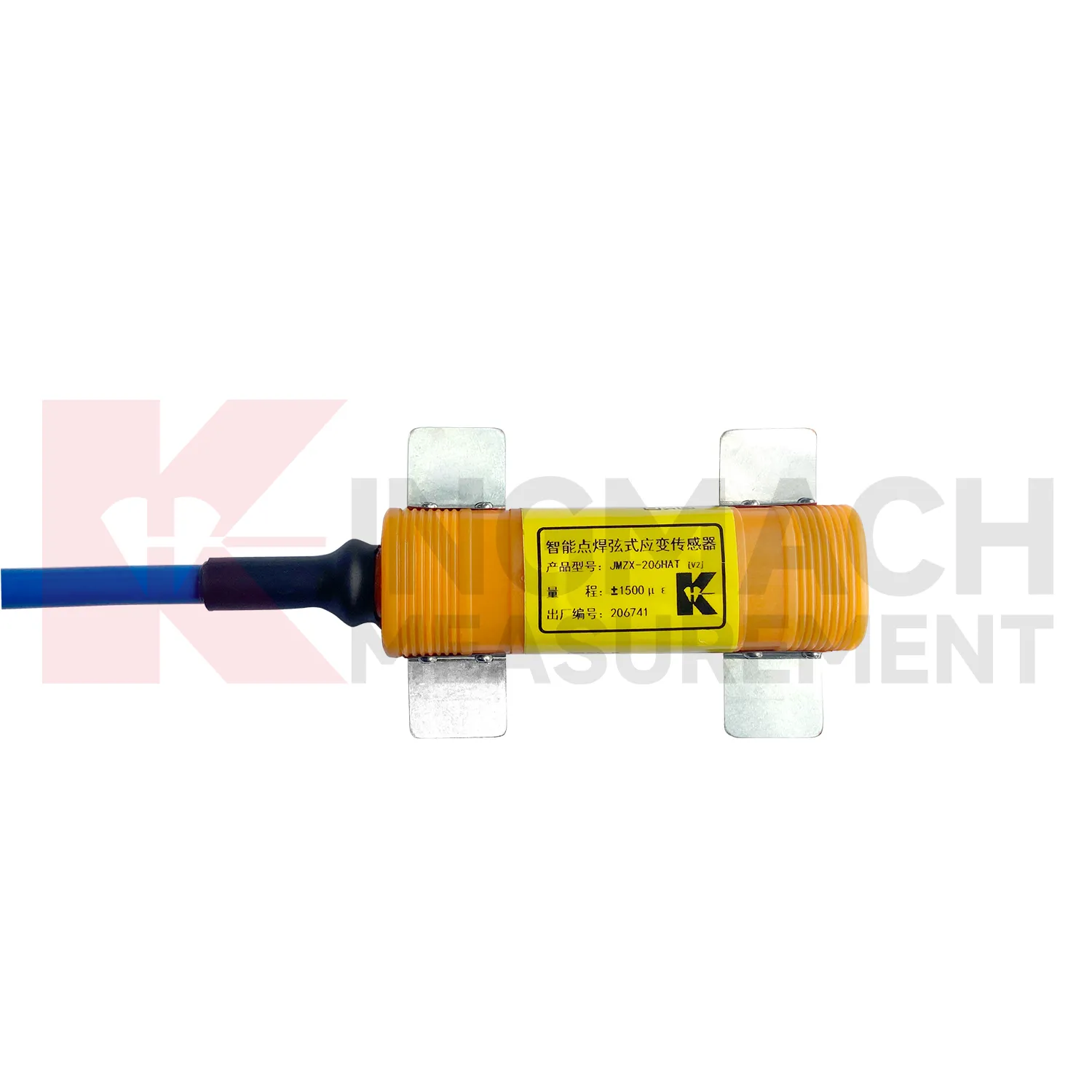
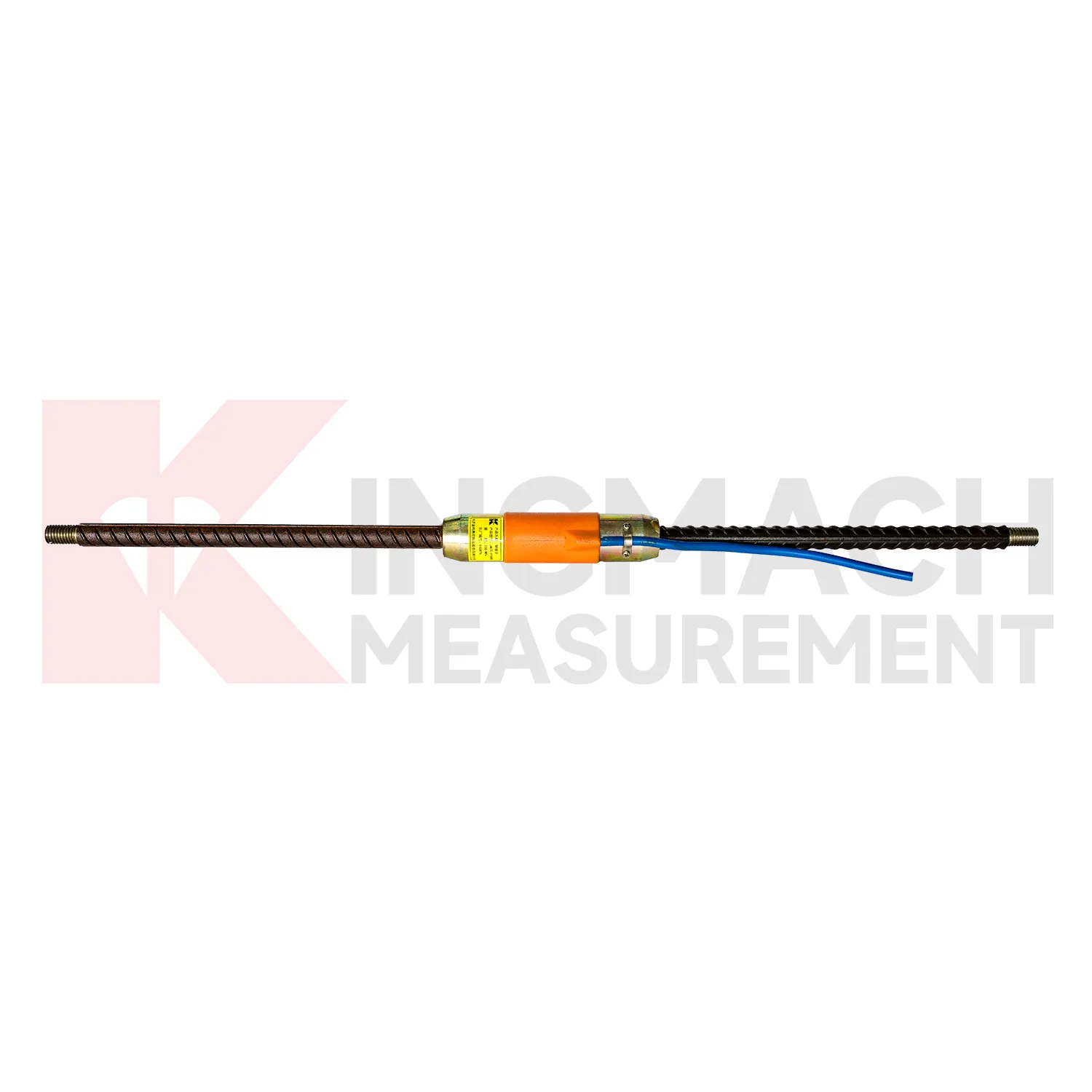
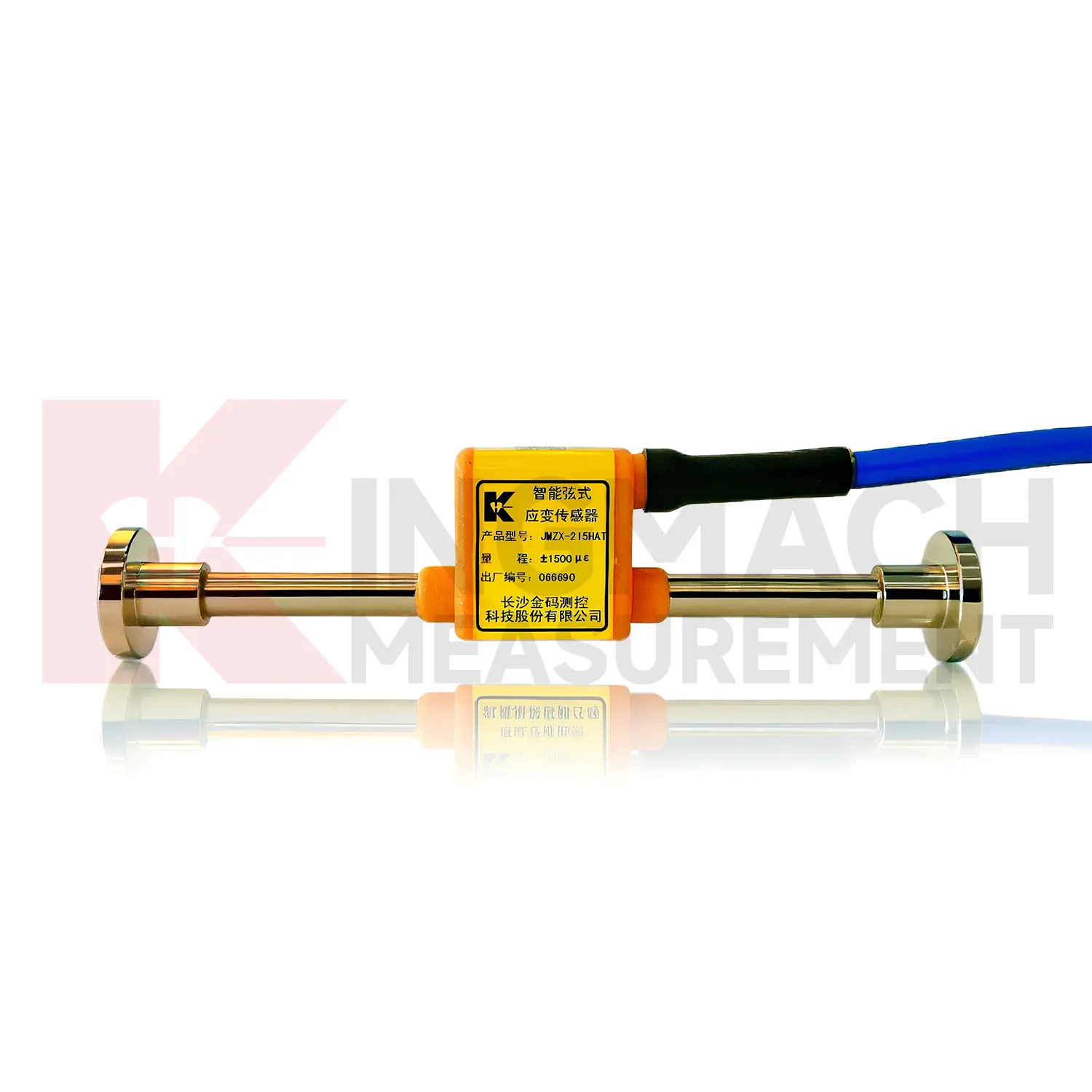
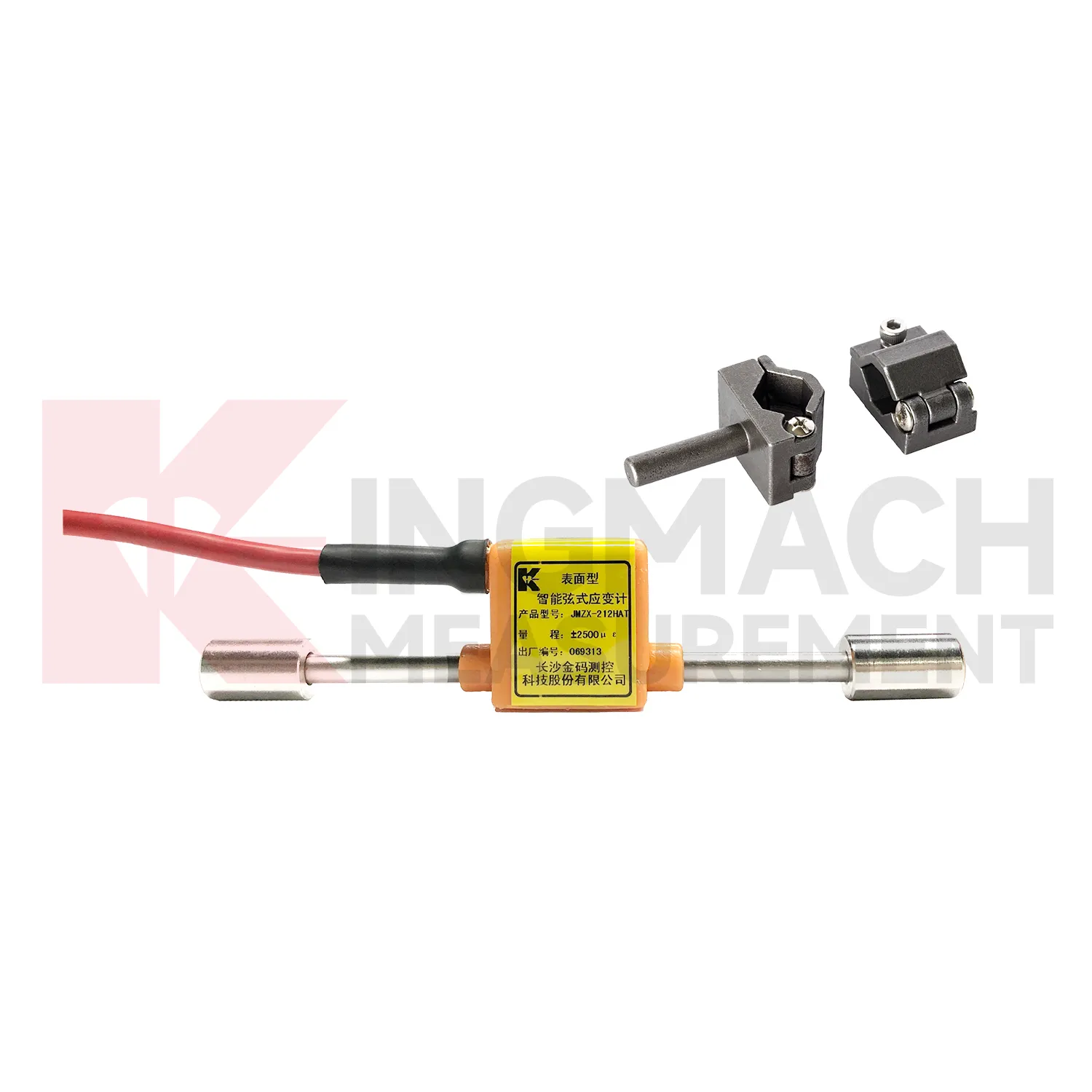
When buyers compare {keyword}, they often look for accuracy, range, waterproofing, installation method, and data output. Kingmach's strain gauge range answers those points with models for surface mounting, embedment, welded steel surfaces, and rebar stress measurement. The JMZX-212HAT/HB surface model reaches ±2500 microstrain with 0.5%F.S. accuracy and 0.1 microstrain resolution. The JMZX-215HA/215HAT/HB embedded model is designed for concrete internal strain and uses a lightweight, high sensitivity structure that can observe shrinkage and creep during early concrete setting. The JMZX-4XXHAT/HB rebar strainmeter covers -200 MPa to 350 MPa with 2 MPa waterproof performance. These specifications help engineers match product form to the monitoring point, whether the concern is steel surface stress, concrete internal strain, reinforcement stress, or automated long term data collection. These parameters help engineers avoid overgeneral selection. A surface model, embedded model, welded model, and rebar strainmeter solve different installation problems, so the final decision should consider material, access, concrete stage, steel surface condition, and expected service life. For field teams, those details also shape installation tools, spare cable length, readout selection, and protection work. They also help the owner decide whether manual reading, scheduled logging, or unattended monitoring is the better operating method.
Application of strain gauge sensor price
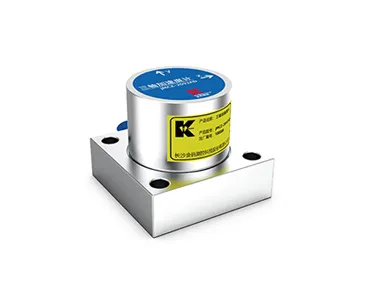
In wind tower and tall structure monitoring, {keyword} can be installed on tower bases, steel sections, concrete transition areas, reinforcement, and connection zones to track bending stress, fatigue, and wind induced strain. These structures face repeated load cycles, vibration, temperature variation, and difficult access after commissioning. Kingmach welded strain gauges provide digital detection, strong anti interference capability, and storage for model data, serial number, calibration coefficients, and up to 800 records. Surface gauges can also provide 0.1 microstrain resolution and optional temperature correction. When strain data is reviewed with accelerometer and tiltmeter readings, operators can see whether tower movement and stress remain within expected patterns. This supports maintenance scheduling and helps avoid relying only on periodic visual inspection. This application also benefits from Kingmach's wider monitoring catalog. Strain can be checked against settlement, tilt, displacement, crack, piezometer, water level, and vibration data to avoid reading one channel out of context. This gives the project team a better way to separate normal behavior from a change that needs inspection. For field use, the strain point should be named, mapped, protected, and reviewed with nearby sensors before any alarm is judged. The same record can support staged construction control, post event inspection, and long term maintenance planning.
The future of strain gauge sensor price
The future of {keyword} will still depend on practical engineering judgment. IoT, wireless transmission, digital twins, and AI analysis can make data easier to collect, but they do not change the need for correct model selection. A surface gauge, embedded gauge, welded gauge, or rebar strainmeter must match the material, expected strain range, installation access, temperature condition, and service period. Kingmach's range gives engineers several paths: ±2500 microstrain surface monitoring, ±1500 microstrain embedded concrete monitoring, -1500 to +2500 microstrain welded steel monitoring, and -200 MPa to 350 MPa rebar stress monitoring. Future systems will work best when those choices are made before software enters the picture. In that setting, the sensor becomes a long term data source for the asset, while acquisition and analytics tools help engineers read the trend faster. Those improvements fit long term infrastructure monitoring better than one time testing. That path keeps the technology tied to field decisions, not abstract promises.
Care & Maintenance of strain gauge sensor price
For embedded {keyword}, maintenance focuses on the accessible parts because the sensor itself cannot be reached after concrete pouring. Before pouring, secure the JMZX-215HA/215HAT/HB gauge to rebar or a bracket, protect the cable from pulling, and document its position. After pouring, protect the cable exit, junction box, and acquisition channel. The embedded model has a ±1500 microstrain range, 146 mm gauge length, and 0.1 microstrain resolution, so small changes can be meaningful if the record is clean. During service, check for channel noise, water entry, cable compression, and label loss. If data looks abnormal, inspect the external route first, then compare strain with temperature, settlement, and nearby embedded channels. The goal is to protect the measurement chain from sensor body to platform, because a damaged cable or mislabeled channel can make an accurate gauge look unreliable. Review the channel after major site work. Replace damaged protection before water reaches the connection.
Kingmach strain gauge sensor price
Engineers select {keyword} when the monitoring point must stay close to the material being measured. Surface models follow strain on concrete or steel. Embedded models are tied to rebar or brackets before concrete placement. Weldable models are fixed to steel members after surface preparation. Rebar strainmeters replace or connect with reinforcing bars to read stress inside reinforced concrete. Kingmach's strain gauge products share the same purpose even when their installation methods differ: they help describe how load, temperature, settlement, vibration, or construction activity changes the stress state of a structure. The result is a measured strain history that can be checked during inspection rather than reconstructed from memory. Temperature correction, automated acquisition, and long distance signal transmission can be included when the project needs continuous readings from exposed or hard to reach locations. Site records matter. That field record supports later inspection. It also gives engineers a cleaner baseline for later comparison.
FAQ
Q: How do I select {keyword} for concrete structures?
A: Use embedded gauges for internal concrete strain, surface gauges for exposed concrete, and rebar strainmeters when reinforcement stress is the main concern.
Q: Which model fits steel structures?
A: JMZX-206HAT is designed for surface welded installation on steel members and covers -1500 to +2500 microstrain.
Q: Can it measure temperature too?
A: Temperature versions can measure the monitoring point temperature, with a thermometer range from -40℃ to +120℃ and ±0.5℃ accuracy on listed models.
Q: What should be checked before installation?
A: Confirm surface preparation, model type, cable route, channel name, acquisition setting, waterproof protection, and calibration data.
Q: Can it connect to automatic data collection?
A: Yes. Kingmach gauges can be paired with comprehensive readouts and automated acquisition systems for unattended measurement.
Reviews
Joshua Clark
We ordered a full monitoring solution including sensors and data loggers. Everything works seamlessly together. Great supplier!
Matthew Garcia
Instrumentation cables are durable and perform well even in harsh environments. Will definitely order again.
Latest Inquiries
To protect the privacy of our buyers, only public service email domains like Gmail, Yahoo, and MSN will be displayed. Additionally, only a limited portion of the inquiry content will be shown.
Ava***@gmail.comAustralia
Hi, I am looking for reliable tiltmeters and accelerometers for structural health monitoring. Please...
Evelyn***@gmail.comSouth Africa
Hi, we are a contractor working on tunnel construction and need settlement sensors and displacement ...