
 EN
EN
 ar
ar bg
bg hr
hr cs
cs da
da nl
nl fi
fi fr
fr de
de el
el hi
hi it
it ko
ko no
no pl
pl pt
pt ro
ro ru
ru es
es sv
sv tl
tl iw
iw id
id lv
lv lt
lt sr
sr sk
sk sl
sl uk
uk vi
vi et
et hu
hu th
th tr
tr fa
fa ms
ms hy
hy ka
ka ur
ur bn
bn mn
mn ta
ta kk
kk uz
uz ku
ku
digital strain gauge indicators
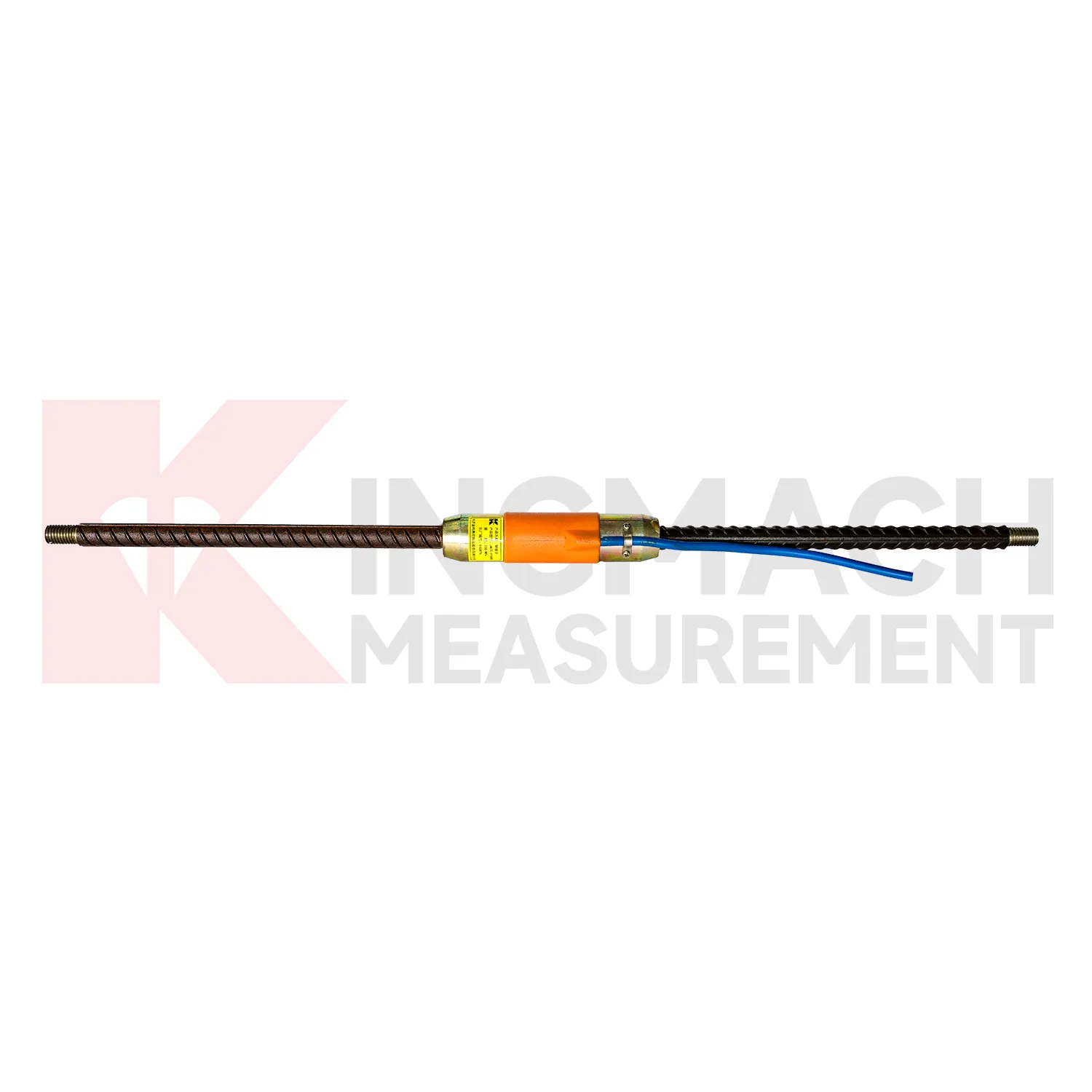
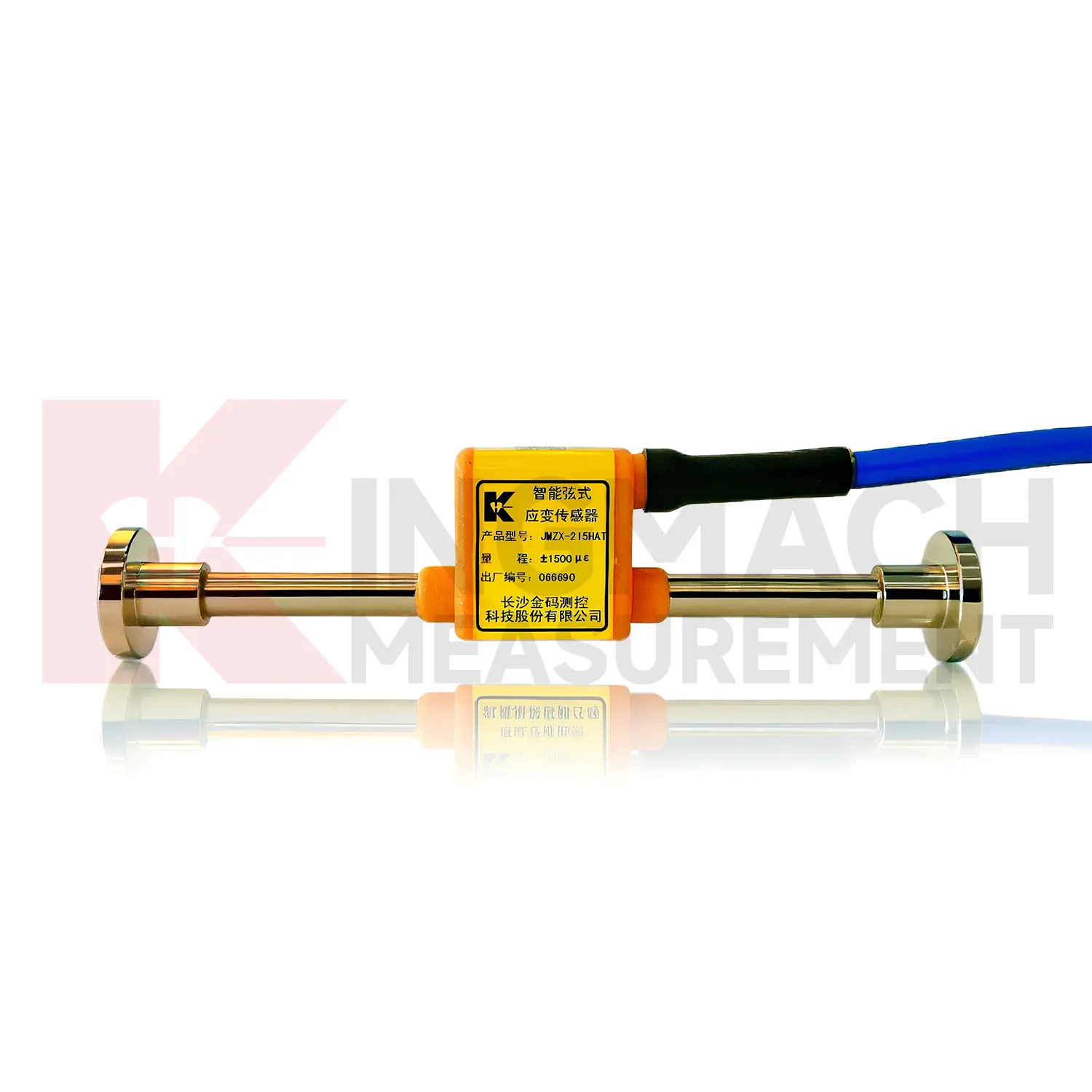
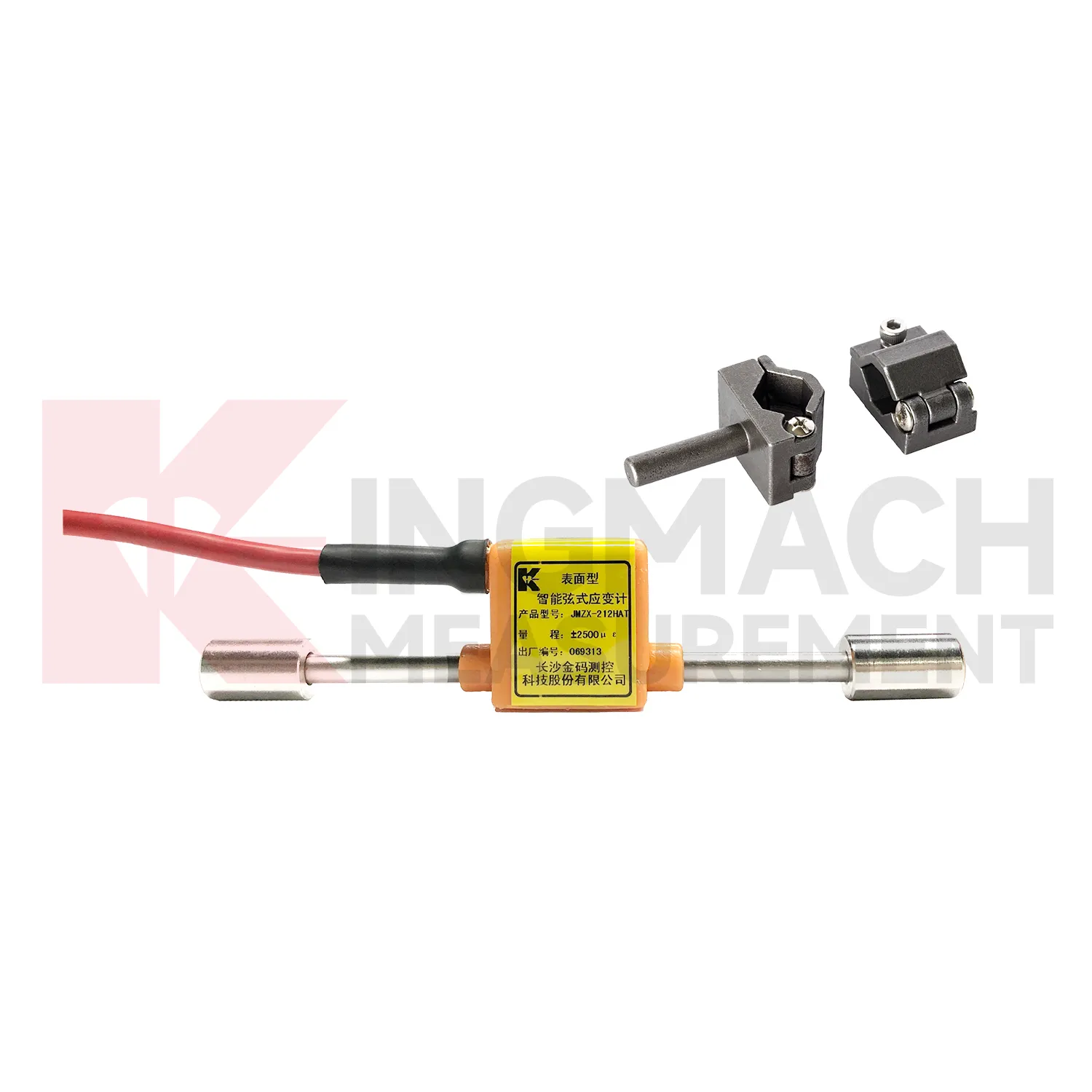
When buyers compare {keyword}, they often look for accuracy, range, waterproofing, installation method, and data output. Kingmach's strain gauge range answers those points with models for surface mounting, embedment, welded steel surfaces, and rebar stress measurement. The JMZX-212HAT/HB surface model reaches ±2500 microstrain with 0.5%F.S. accuracy and 0.1 microstrain resolution. The JMZX-215HA/215HAT/HB embedded model is designed for concrete internal strain and uses a lightweight, high sensitivity structure that can observe shrinkage and creep during early concrete setting. The JMZX-4XXHAT/HB rebar strainmeter covers -200 MPa to 350 MPa with 2 MPa waterproof performance. These specifications help engineers match product form to the monitoring point, whether the concern is steel surface stress, concrete internal strain, reinforcement stress, or automated long term data collection. These parameters help engineers avoid overgeneral selection. A surface model, embedded model, welded model, and rebar strainmeter solve different installation problems, so the final decision should consider material, access, concrete stage, steel surface condition, and expected service life. For field teams, those details also shape installation tools, spare cable length, readout selection, and protection work. They also help the owner decide whether manual reading, scheduled logging, or unattended monitoring is the better operating method.
Application of digital strain gauge indicators
For pile foundations and cast in place concrete work, {keyword} helps engineers observe internal strain, reinforcement stress, concrete shrinkage, and load transfer after the member is no longer visible. Kingmach JMZX-215HA/215HAT/HB embedded gauges are tied to rebar or special supports before pouring, then used after the concrete reaches strength. They provide a ±1500 microstrain range, 0.1 microstrain resolution, 146 mm gauge length, and temperature measurement accuracy of ±0.5℃ when equipped with the temperature version. For rebar stress, the JMZX-4XXHAT/HB model covers -200 MPa to 350 MPa. These parameters support pile load tests, foundation performance monitoring, and long term settlement related stress review. The readings help separate normal concrete curing behavior from structural stress changes caused by loading or ground movement. Parameters such as 0.5%F.S. accuracy, 0.1 microstrain resolution, temperature correction, and waterproof protection give engineers a reason to trust the readings when the monitored point is exposed to field conditions. When data is collected automatically, engineers can compare daily movement instead of relying on occasional manual readings. This gives the project team a better way to separate normal behavior from a change that needs inspection. For field use, the strain point should be named, mapped, protected, and reviewed with nearby sensors before any alarm is judged.
The future of digital strain gauge indicators
For dams, slopes, and remote infrastructure, the future of {keyword} will depend on low power field systems and remote transmission. A sensor installed in a gallery, anchor zone, or mountain slope may be hard to visit after construction. Kingmach's catalog already includes wireless data loggers, DTUs, acquisition modules, and monitoring platforms, which can support remote strain records when power and communication are designed carefully. Future projects may use LoRa, 5G, solar power, and edge storage to keep readings available during bad weather or network interruptions. Strain data will be more useful when it is reviewed with seepage, water level, settlement, and rainfall records instead of sitting alone. That is why product development should connect hardware durability with data quality, including stable frequency signals, protected cabling, timestamped records, and practical alarm rules. That path keeps the technology tied to field decisions, not abstract promises. It also makes sensor data easier to use in owner reports and maintenance meetings.
Care & Maintenance of digital strain gauge indicators
For long term monitoring, {keyword} should be checked as part of the whole measurement chain, not only as a sensor body. Kingmach surface and embedded vibrating wire gauges provide 0.1 microstrain resolution and 0.5%F.S. accuracy, but those numbers depend on stable mounting, protected wiring, and correct acquisition settings. During use, review baseline trends, compare nearby channels, and note construction events, traffic changes, or temperature swings. Do not reset the baseline casually after unusual weather or heavy loading. For waterproof models rated to 150 meters, still inspect cable exits and seals because most field failures start at connection points. A clean, named, time stamped record is often the best maintenance tool. This is especially important when the gauge is embedded or welded, because replacement may be difficult after concrete pouring, coating work, rail service, or bridge operation has resumed. Review the channel after major site work. Replace damaged protection before water reaches the connection.
Kingmach digital strain gauge indicators
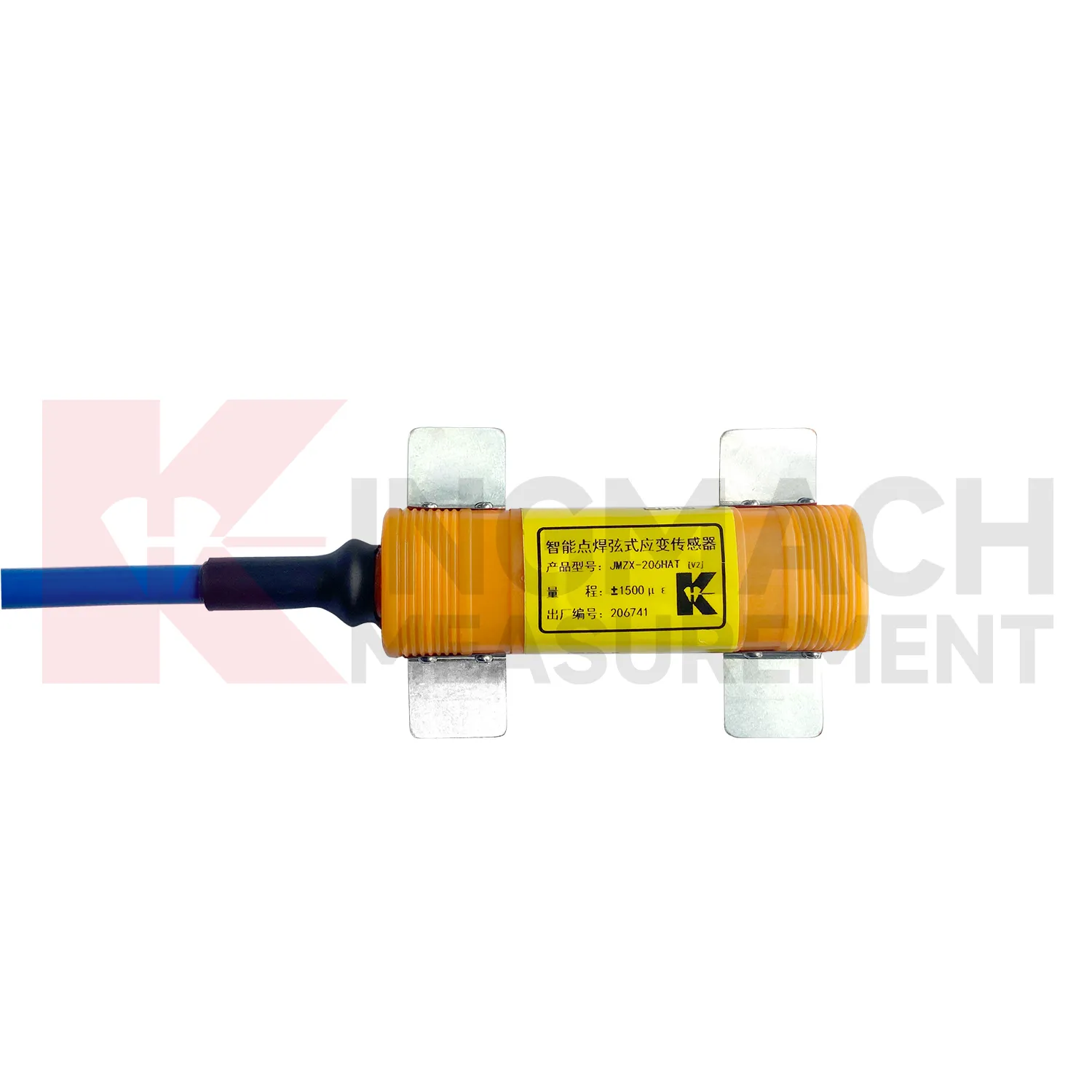
For steel structures, {keyword} gives engineers a direct way to watch stress behavior on beams, pipes, braces, trusses, towers, and bridge members. Kingmach's surface and surface welded strain gauge models are designed for exposed steel or concrete surfaces, with the JMZX-206HAT model using spot welding on a polished 10 x 80 mm flat area. This kind of installation can be useful when adhesive bonding is not preferred or when long term steel monitoring is required. Once connected to acquisition equipment, the strain record can reveal bending response, support force variation, fatigue trends, or stress redistribution after repair work. The same approach supports a complete measurement chain, from the sensing point to protected cabling, acquisition hardware, stored records, and engineering review. The same data can guide inspection notes and repair timing. Site records matter. That field record supports later inspection. It also gives engineers a cleaner baseline for later comparison.
FAQ
Q: How do I select {keyword} for concrete structures?
A: Use embedded gauges for internal concrete strain, surface gauges for exposed concrete, and rebar strainmeters when reinforcement stress is the main concern.
Q: Which model fits steel structures?
A: JMZX-206HAT is designed for surface welded installation on steel members and covers -1500 to +2500 microstrain.
Q: Can it measure temperature too?
A: Temperature versions can measure the monitoring point temperature, with a thermometer range from -40℃ to +120℃ and ±0.5℃ accuracy on listed models.
Q: What should be checked before installation?
A: Confirm surface preparation, model type, cable route, channel name, acquisition setting, waterproof protection, and calibration data.
Q: Can it connect to automatic data collection?
A: Yes. Kingmach gauges can be paired with comprehensive readouts and automated acquisition systems for unattended measurement.
Reviews
James Thompson
The tiltmeters and accelerometers are very sensitive and provide precise data. Perfect for our structural health monitoring system.
Christopher Martinez
Very satisfied with the readouts & data loggers. User-friendly interface and supports multiple sensor inputs.
Latest Inquiries
To protect the privacy of our buyers, only public service email domains like Gmail, Yahoo, and MSN will be displayed. Additionally, only a limited portion of the inquiry content will be shown.
Charlotte***@gmail.comUnited Arab Emirates
Hi, we require instrumentation cables suitable for harsh environments. Could you advise on specifica...
Amelia***@gmail.comSingapore
Hello, I am looking for visualization software for monitoring system data analysis. Please let me kn...