
 EN
 ar
 bg
 hr
 cs
 da
 nl
 fi
 fr
 de
 el
 hi
 it
 ko
 no
 pl
 pt
 ro
 ru
 es
 sv
 tl
 iw
 id
 lv
 lt
 sr
 sk
 sl
 uk
 vi
 et
 hu
 th
 tr
 fa
 ms
 hy
 ka
 ur
 bn
 mn
 ta
 kk
 uz
 ku

digital inclinometer
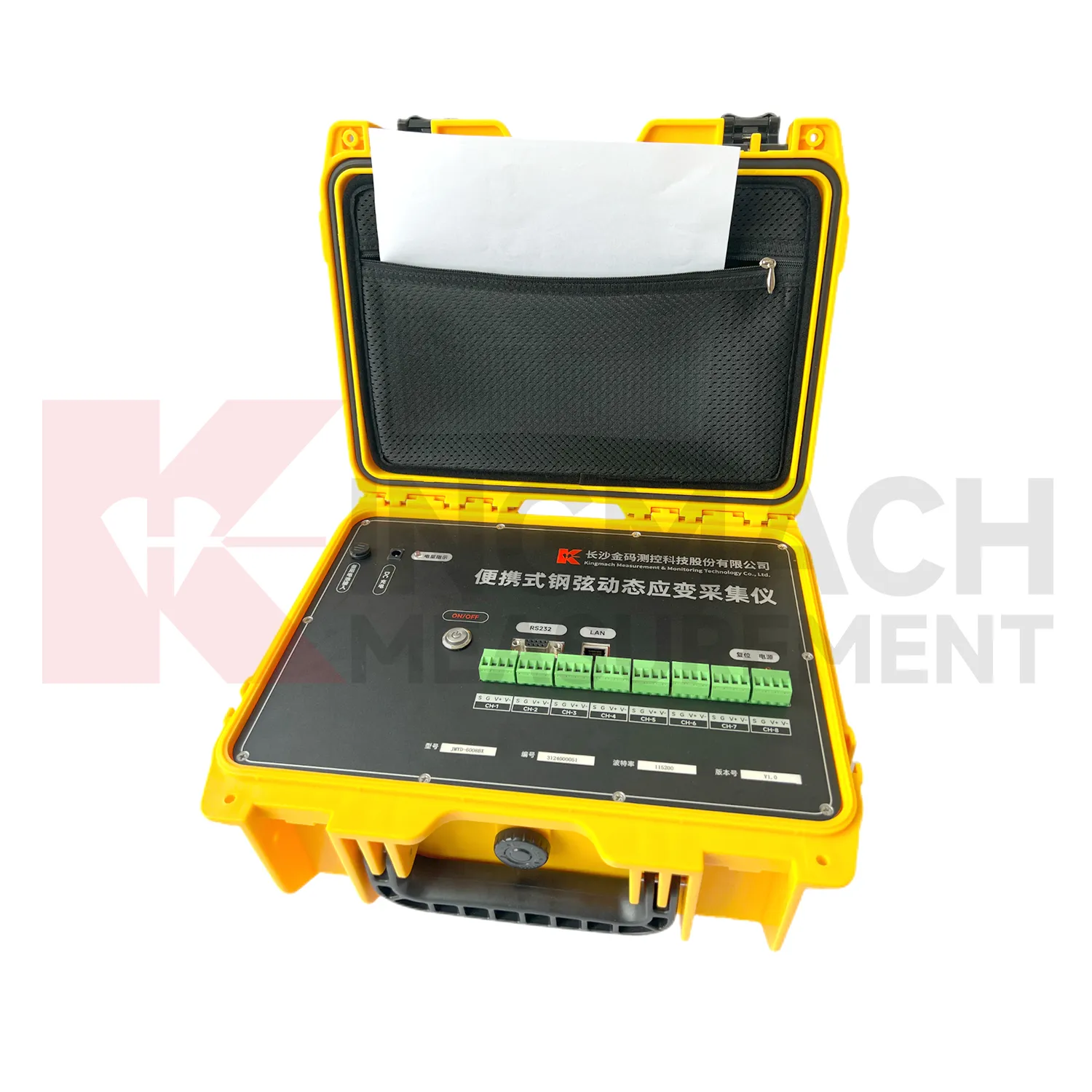
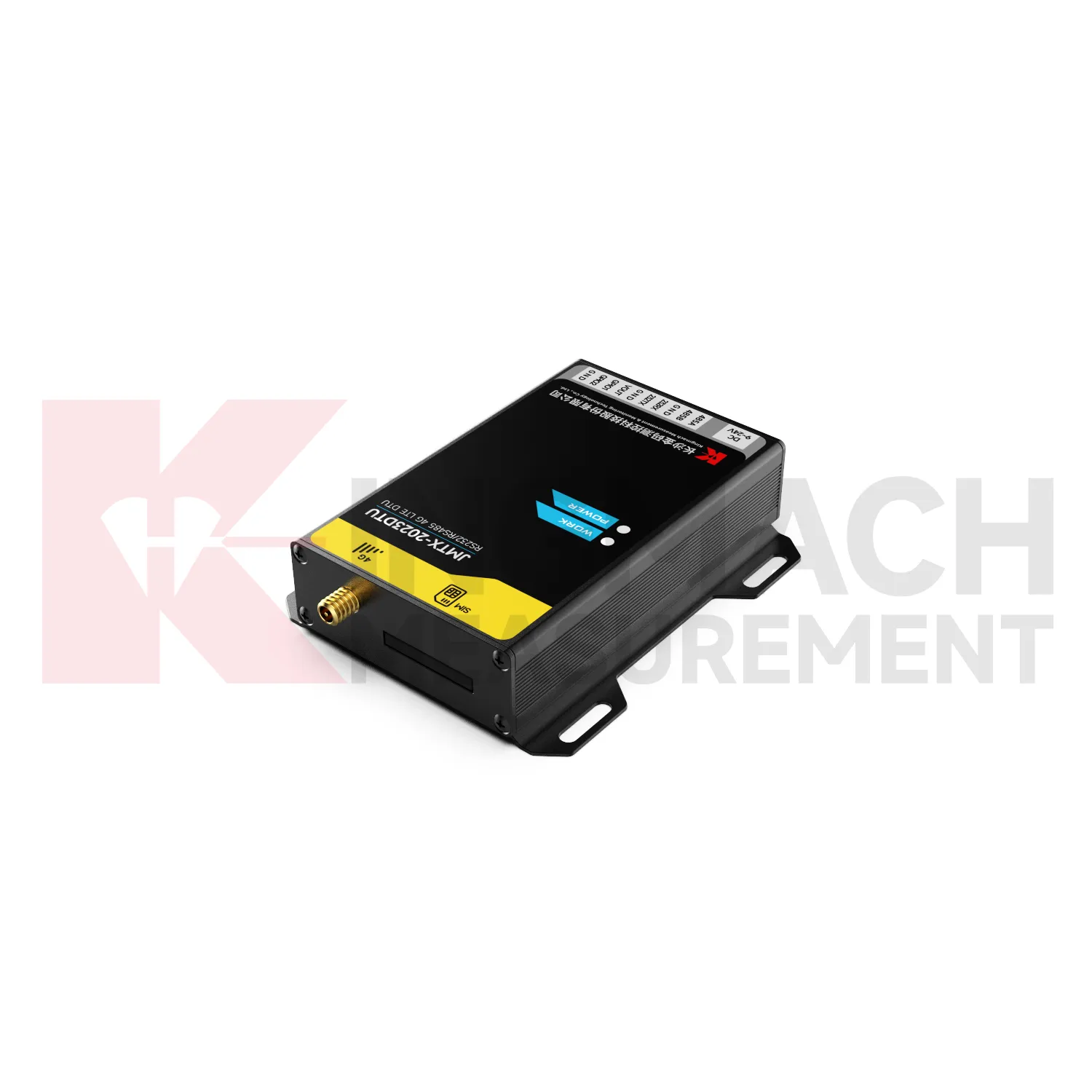
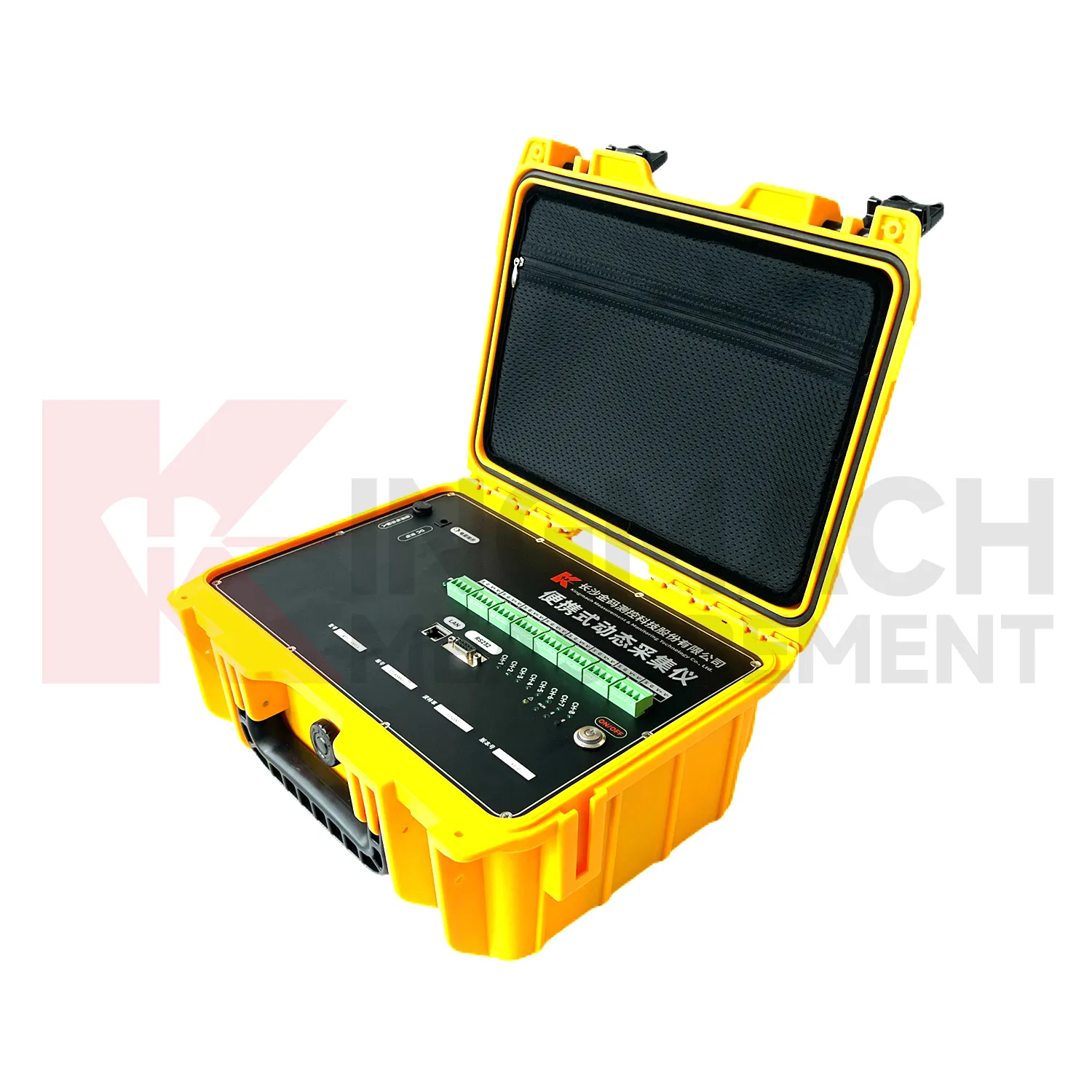
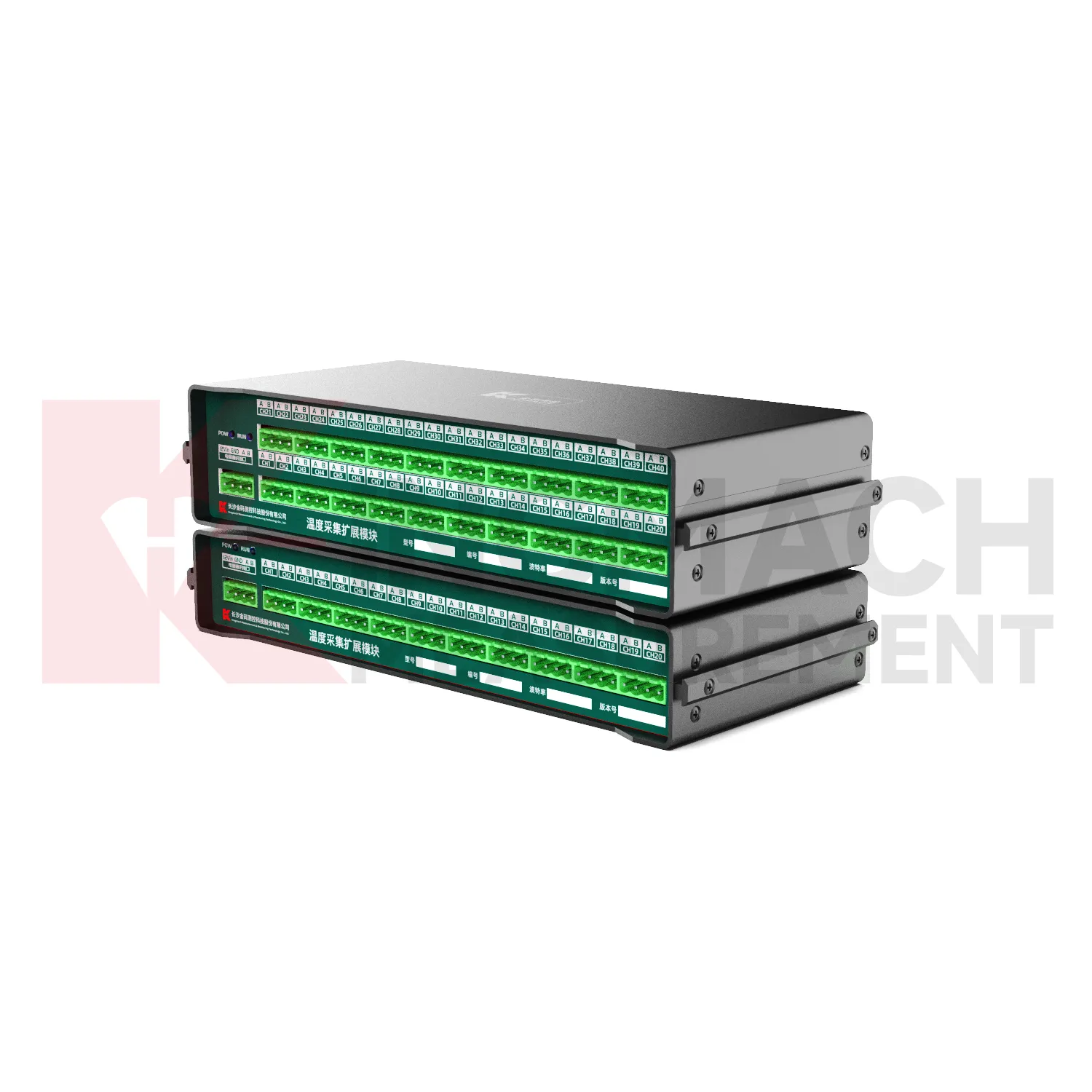
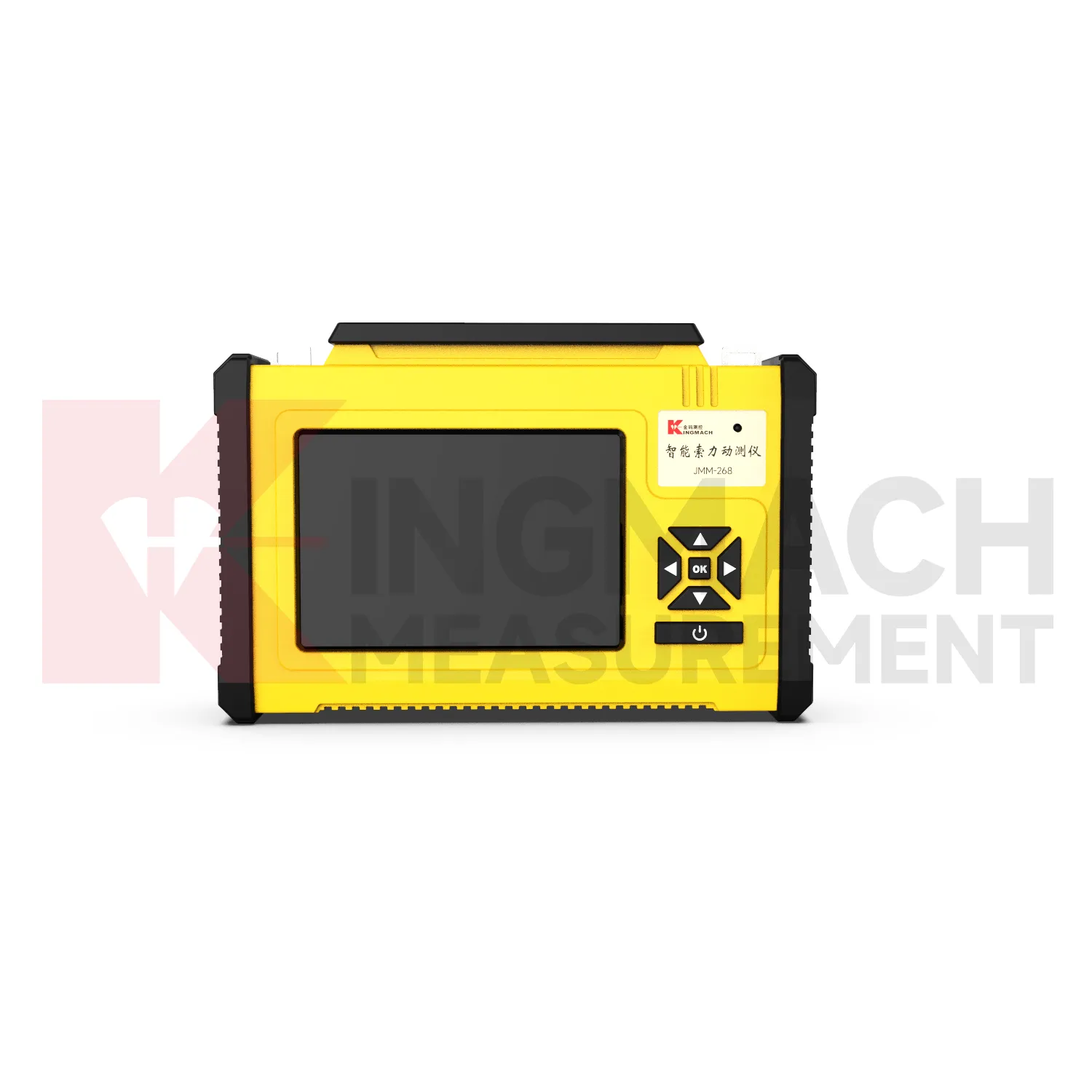
Kingmach digital inclinometer bring together measurement, storage, and communication functions for field monitoring. The category includes low-power wireless acquisition for remote digital sensors, synchronized dynamic strain logging, and portable readouts for on-site checks. Each device type serves a different part of the monitoring workflow. Low-power loggers reduce manual visits at remote stations. Dynamic loggers capture event behavior with synchronized channels. Portable readouts help field staff confirm sensor condition before the site is closed or the inspection route moves on. Buyers should connect these capabilities with project realities such as access restrictions, weather exposure, power availability, communication reliability, and the expected review frequency. A slope station with limited access, a tunnel with night work, and a bridge deck with traffic restrictions place different demands on the same acquisition category. The device should fit the way people actually reach the point, protect cables, power the station, and move data into review. This practical view helps teams select a readout or logger that supports field use, not only laboratory capability. In remote work, the maintenance route, enclosure position, antenna condition, and expected upload schedule can be just as important as the measurement circuit. In short-term testing, the device must also be easy to move, check, and export before the crew leaves the site.
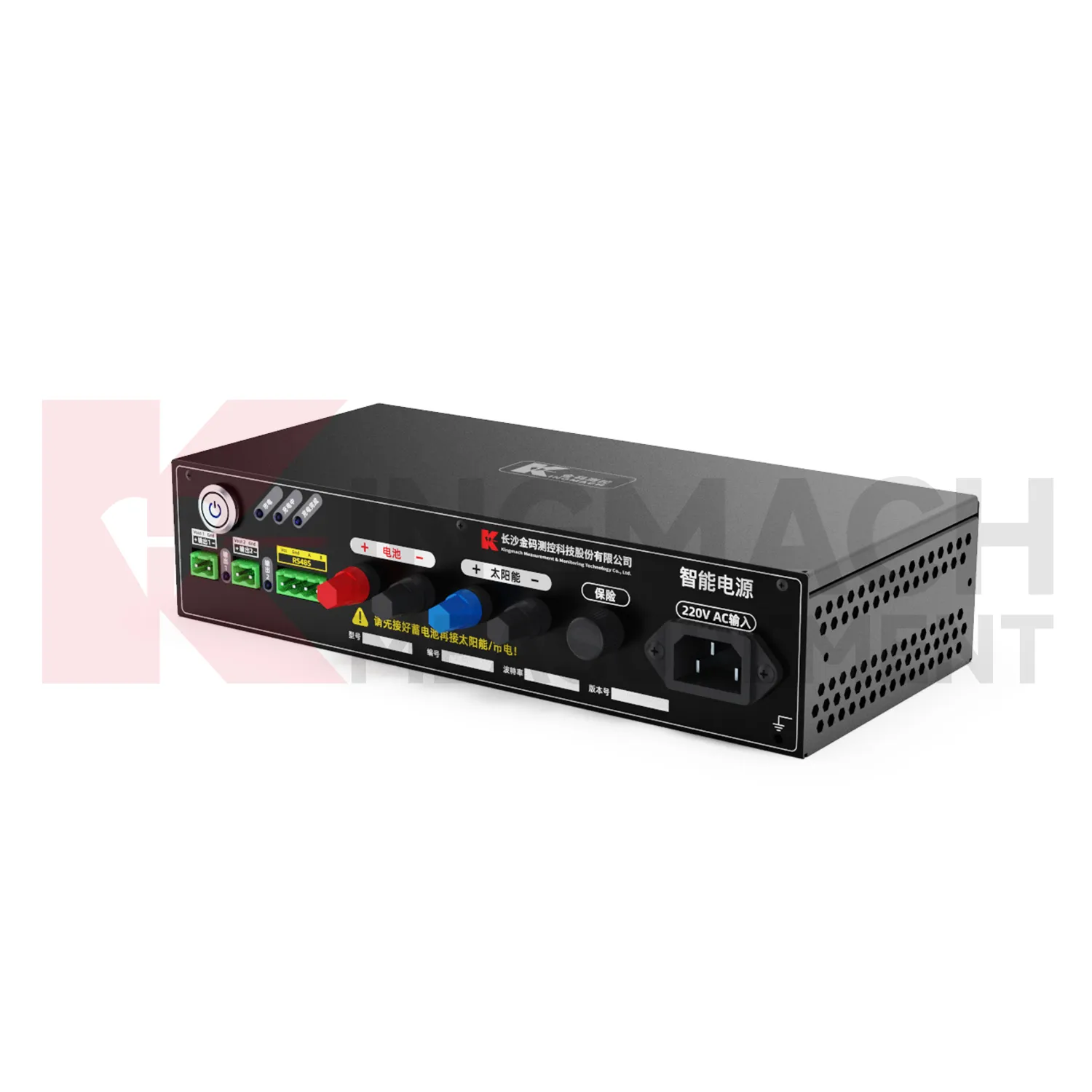
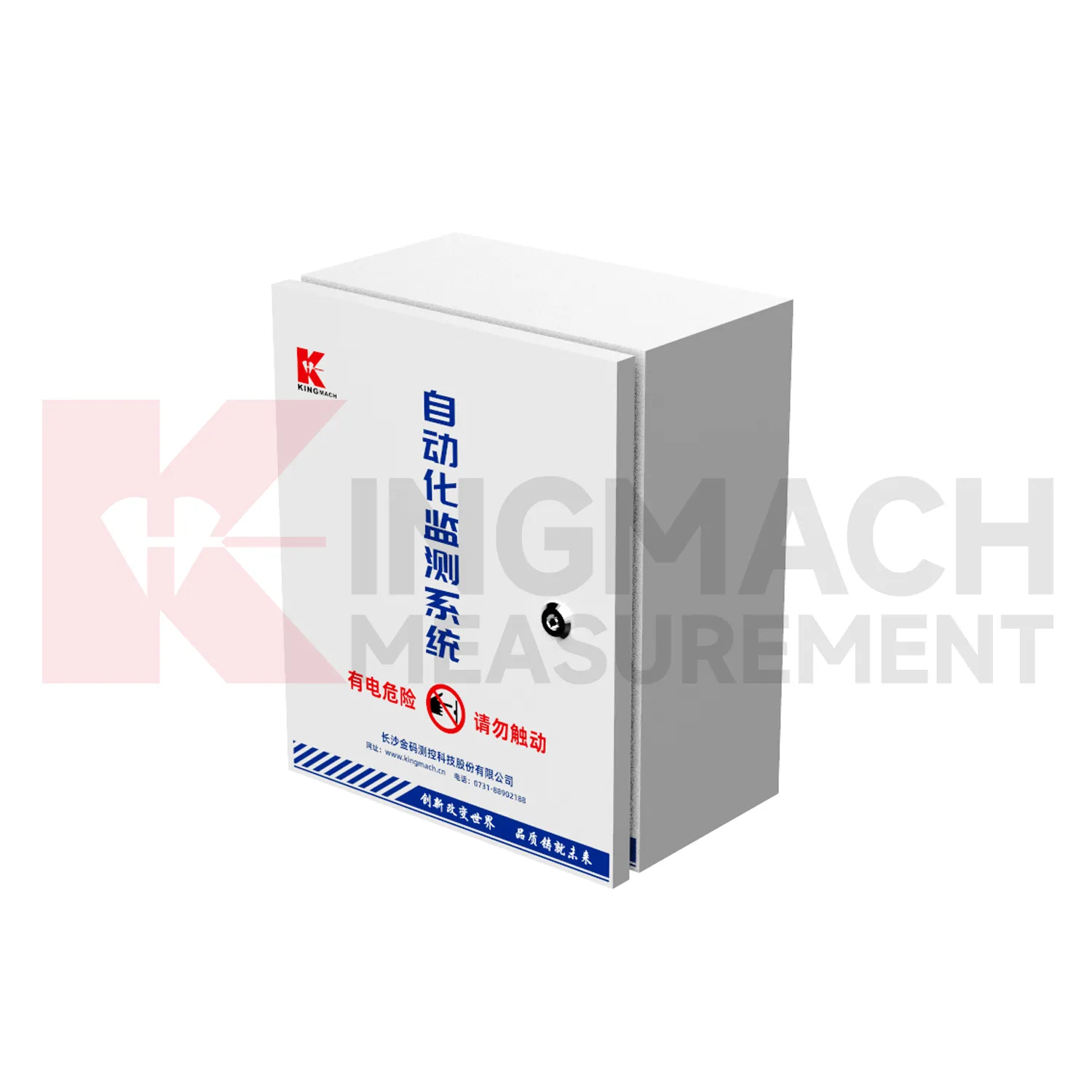
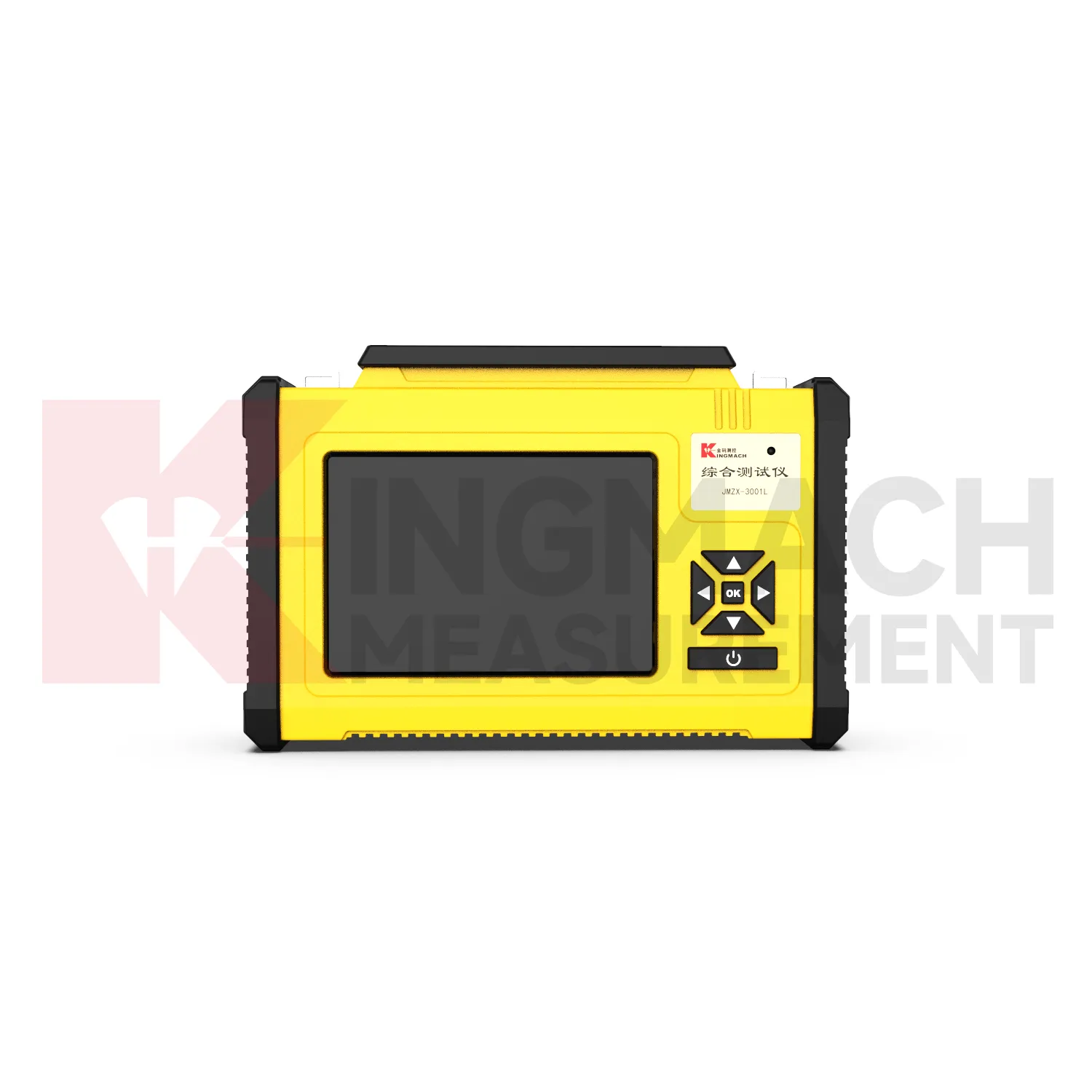
Application of digital inclinometer
Railway, subway, and transportation projects use Kingmach digital inclinometer to capture sensor readings during dynamic loading, construction disturbance, and long-term operation. Portable acquisition instruments can be used for vibration or strain events during train passage, while fixed loggers can record settlement, displacement, tilt, or environmental changes along monitored sections. The device should support clear channel naming because many points may be installed along a line, tunnel, bridge, or station box. Timing is also important: event records need enough resolution to connect the measured response with traffic or construction activity. A disciplined acquisition workflow helps owners compare repeated events instead of treating each reading as isolated. Transport monitoring often depends on matching measurement time with operating schedules. A train passage, platform work, nearby excavation, or maintenance closure can explain a short response that would be confusing in a monthly trend alone. The acquisition record should therefore keep route section, structure name, event time, sensor group, and operating note together. This helps engineers compare repeated passages and identify changes that deserve field inspection. For subway and railway assets, this is useful when night work, train intervals, tunnel ventilation, and station activity change the background condition around the sensors. during later technical review. safely.
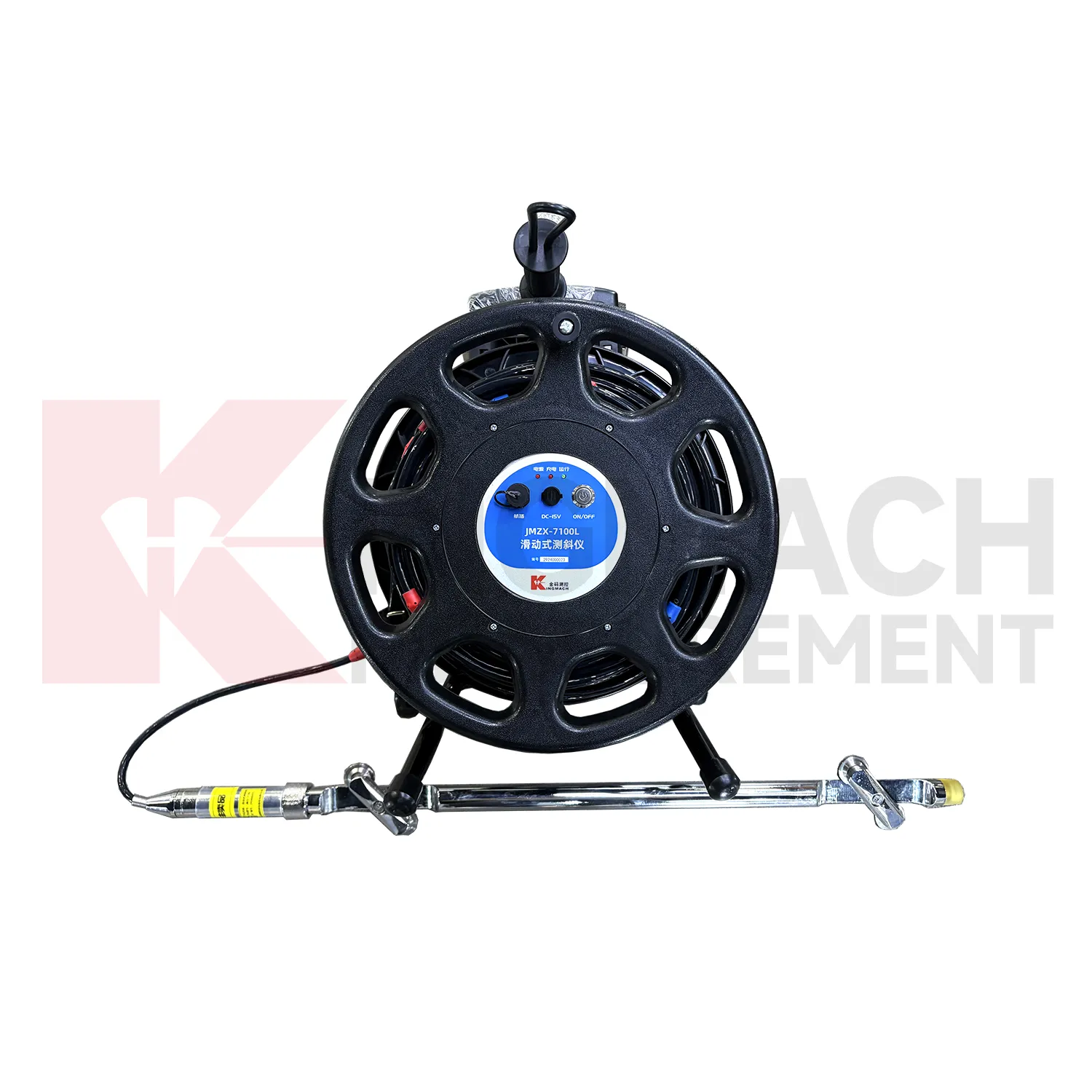
The future of digital inclinometer
Future Kingmach digital inclinometer will place more emphasis on station health alongside sensor readings. A monitoring record is stronger when reviewers can see battery condition, communication status, last upload time, enclosure condition, channel activity, and recent maintenance. This is especially useful for remote bridges, slopes, tunnels, dams, and construction sites where a silent station can create uncertainty. Future acquisition systems will help teams separate sensor behavior from device status. A missing value may come from power, communication, wiring, or a real site event, and the record should make that distinction easier to review. Station health reporting can also guide field visits. Instead of checking every station on a fixed route, teams can prioritize devices with weak power, delayed upload, enclosure risk, or repeated data gaps. That will make maintenance work more targeted and keep important monitoring points active during critical periods. It also helps owners protect data continuity without expanding routine site visits.
Care & Maintenance of digital inclinometer
Enclosure care supports reliable Kingmach digital inclinometer operation at remote stations. Data loggers may face rain, condensation, dust, insects, vibration, impact, or temperature changes. Maintenance staff should inspect cabinet seals, mounting hardware, cable entries, ventilation, drainage, and physical protection. If water entry or corrosion is found, the record should identify affected channels and the repair action. Enclosure notes are especially important when data gaps appear during storms or site works. A clean maintenance record helps reviewers decide whether the issue came from the structure, the sensor, or the acquisition device. Cabinet location should also be reviewed after construction changes. A box that was safe during installation may later be exposed to runoff, dust, vehicle movement, or unauthorized access. When enclosure condition is recorded with photos and repair notes, the next maintenance visit can focus on the real risk instead of starting from guesswork. and reduce repeated visits. safely. over time. clearly.
Kingmach digital inclinometer
A strong monitoring system needs Kingmach digital inclinometer that fit the sensor network and the site conditions. Some projects need a compact handheld unit for spot checks and commissioning. Others need a multi-channel data logger for vibrating wire sensors, dynamic strain, environmental points, or digital RS485 instruments. Remote sites may need low-power wireless acquisition with scheduled measurement and active upload. The important question is how the device helps the team keep a continuous, explainable record. Battery condition, enclosure protection, communication path, channel labels, and data export all influence whether the monitoring record can support maintenance, safety review, or construction control. For remote stations, the acquisition interval, upload status, battery condition, enclosure condition, and last maintenance visit should remain visible so unattended monitoring does not become a blind record. For dynamic tests, timing accuracy, event naming, channel synchronization, and signal conditioning help the team compare motion or strain events with construction activity, traffic, wind, or machinery operation.
FAQ
Q: What are Readouts & Data Loggers used for?
A: They collect, display, store, and transfer sensor readings so engineering teams can review monitoring data from structural, geotechnical, and industrial projects.
Q: How are readouts different from data loggers?
A: Readouts are often used for field checking and portable measurement, while data loggers support automatic acquisition, scheduled records, and longer monitoring periods.
Q: Which sensors can be connected?
A: The category can support vibrating wire sensors, digital RS485 sensors, temperature points, dynamic signals, strain instruments, displacement sensors, tilt sensors, and other monitoring devices depending on the model.
Q: Why is channel naming important?
A: Clear channel names connect each reading with the correct sensor, location, structure, and review purpose, which prevents confusion during reporting and handover.
Q: What should be checked before purchase?
A: Buyers should define sensor type, channel count, acquisition interval, power supply, communication method, storage needs, site access, and reporting workflow.
Reviews
James Thompson
The tiltmeters and accelerometers are very sensitive and provide precise data. Perfect for our structural health monitoring system.
Christopher Martinez
Very satisfied with the readouts & data loggers. User-friendly interface and supports multiple sensor inputs.
Latest Inquiries
To protect the privacy of our buyers, only public service email domains like Gmail, Yahoo, and MSN will be displayed. Additionally, only a limited portion of the inquiry content will be shown.
Evelyn***@gmail.comSouth Africa
Hi, we are a contractor working on tunnel construction and need settlement sensors and displacement ...
Mia***@gmail.comNetherlands
Dear team, we are interested in your readouts & data loggers compatible with multiple sensors. Do yo...
Related product categories
- Portable Vibration Analyzer
- Modal Testing System
- Multifunctional Data Acquisition Expansion Module
- Distributed Central Data Acquisition Host
- Multichannel Signal Acquisition Unit
- Modular Central Data Acquisition Host
- Embedded Central Data Acquisition Host
- Digital Temperature Acquisition Module
- Piezoelectric Signal Conditioning Module
- Strain Signal Conditioning Module
- Vibration Signal Conditioning Module
- Multichannel Dynamic Signal Acquisition Module