
 EN
EN
 ar
ar bg
bg hr
hr cs
cs da
da nl
nl fi
fi fr
fr de
de el
el hi
hi it
it ko
ko no
no pl
pl pt
pt ro
ro ru
ru es
es sv
sv tl
tl iw
iw id
id lv
lv lt
lt sr
sr sk
sk sl
sl uk
uk vi
vi et
et hu
hu th
th tr
tr fa
fa ms
ms hy
hy ka
ka ur
ur bn
bn mn
mn ta
ta kk
kk uz
uz ku
ku
Triplelayer Shielded Test Cable
Kingmach Triplelayer Shielded Test Cable fit naturally with the company's structural health monitoring product range, including strain gauges, load cells, displacement transducers, settlement sensors, tiltmeters, environmental instruments, accelerometers, water-level equipment, and readouts or data loggers. The cable family supports the installation, maintenance, and upgrading of those measurement systems. When a site uses mixed instruments, a consistent cable approach reduces confusion at junction boxes and acquisition cabinets. That consistency becomes important during maintenance, when technicians need to trace a fault quickly without disturbing stable channels.
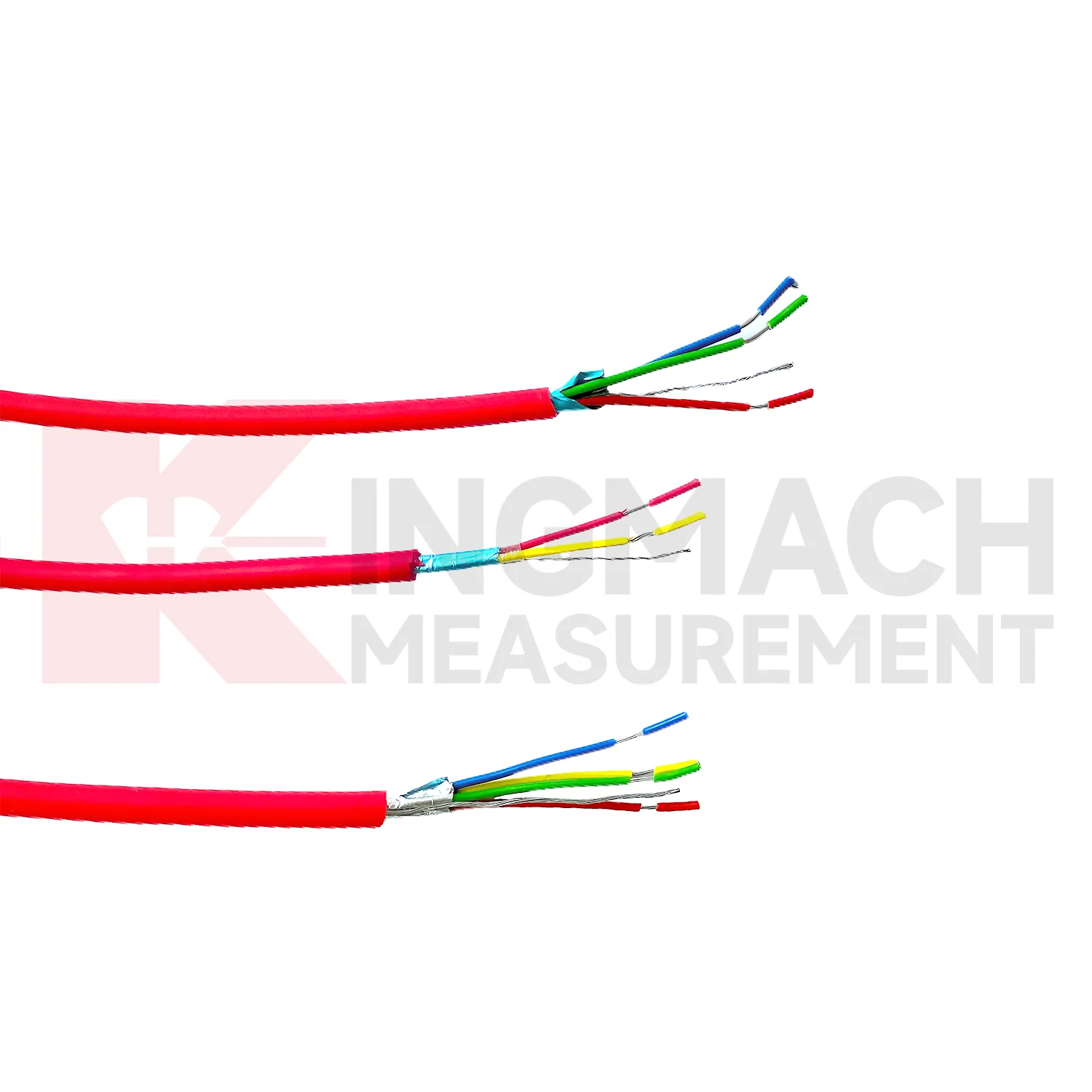
Application of Triplelayer Shielded Test Cable
Monitoring system upgrades use Kingmach Triplelayer Shielded Test Cable when old routes must be replaced, extended, or reorganized without losing traceability. A site may add new sensors, move cabinets, change data loggers, or repair damaged lines after years of service. Multi-core shielded and hydraulic cable options allow engineers to plan new routes around channel count, wet exposure, interference, and maintenance access. During upgrade work, recording old and new cable IDs, core assignments, and first stable readings prevents future reviewers from confusing a wiring change with a structural trend.
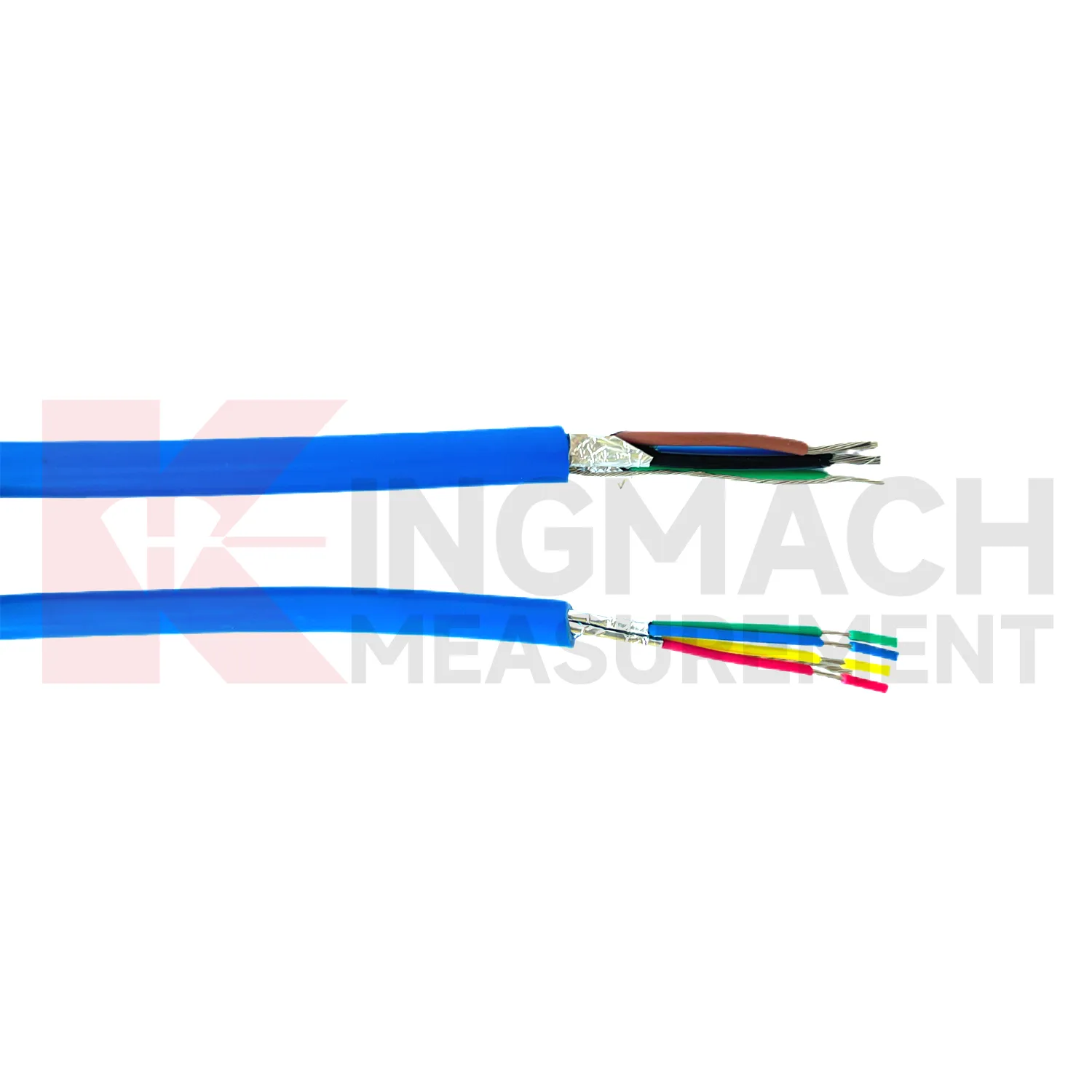
The future of Triplelayer Shielded Test Cable
As IoT monitoring grows, Kingmach Triplelayer Shielded Test Cable will support denser sensor layouts and more cabinet connections. A site may place many instruments around one structure, with data moving through acquisition modules, DTUs, gateways, and cloud platforms. The cable route has to remain orderly so technicians can trace channels when the online system reports abnormal data. Multi-core options, cable markings, and consistent installation records will become more important as monitoring networks move from small projects to long-running asset programs.
Care & Maintenance of Triplelayer Shielded Test Cable
During installation, handle Kingmach Triplelayer Shielded Test Cable in a way that protects the shielding, insulation, and cable ends. Avoid sharp bends, crushed sections, uncovered cuts, and pulling force beyond the route plan. Keep cable ends dry before termination, and seal entries into cabinets or junction boxes. If the cable passes through conduit, confirm that the route is clean and free of edges that can damage the sheath. A stable mechanical path reduces intermittent faults after the monitoring system begins collecting data.
Kingmach Triplelayer Shielded Test Cable
Kingmach Triplelayer Shielded Test Cable give engineers a practical way to standardize sensor wiring across mixed instrument projects. A single structure may use vibrating wire strain gauges, load cells, displacement meters, tiltmeters, piezometers, settlement sensors, temperature sensors, and readout or data logger equipment. Without consistent cable selection and labeling, the cabinet becomes difficult to inspect after a few months of field changes. Layered shielding, multi-core options, and marked Kingmach delivery help the team maintain traceability from sensor to recorder. When later readings are reviewed, that traceability supports faster checks of channel identity, cable condition, and connection history.
FAQ
Q: What should be checked before pulling cable?
A: Confirm the drawing route, conduit condition, bend radius, wet sections, nearby power equipment, and cabinet entry position.
Q: How should a shielded cable route be handled?
A: Keep it away from strong electrical sources where possible and maintain the intended shielding practice at termination.
Q: Why are cable ends important?
A: Open or poorly sealed ends can let moisture enter the route and create unstable readings long after installation.
Q: What commissioning signs suggest a cable issue?
A: Repeated spikes, channel dropouts, flatline data, or readings that change when nearby equipment starts can point to the route.
Q: Why keep installation photos?
A: Photos show route position, cabinet entry, labels, and later changes, which makes troubleshooting faster.
Reviews
Andrew Lee
The visualization software is intuitive and powerful. It helps us analyze monitoring data efficiently.
Joshua Clark
We ordered a full monitoring solution including sensors and data loggers. Everything works seamlessly together. Great supplier!
Latest Inquiries
To protect the privacy of our buyers, only public service email domains like Gmail, Yahoo, and MSN will be displayed. Additionally, only a limited portion of the inquiry content will be shown.
Isabella***@gmail.comGermany
Hello, we are evaluating weir flow meters for a water management project. Please share accuracy deta...
Ava***@gmail.comAustralia
Hi, I am looking for reliable tiltmeters and accelerometers for structural health monitoring. Please...
Related product categories
- Singlelayer Shielded Test Cable
- Multicore Shielded Test Cable
- 2core / 4core / 6core / 8core Hydrological Cable
- Corrosionresistant Hydrological Cable
- Shielded Hydrological Cable
- Multicore Hydrological Cable
- Data Transmission Cable
- Automated Equipment Test Cable
- Sensor Shielded Test Cable
- Motor Shielded Test Cable
- Signal Cables
- Test dedicated shielded wire