
 EN
EN
 ar
ar bg
bg hr
hr cs
cs da
da nl
nl fi
fi fr
fr de
de el
el hi
hi it
it ko
ko no
no pl
pl pt
pt ro
ro ru
ru es
es sv
sv tl
tl iw
iw id
id lv
lv lt
lt sr
sr sk
sk sl
sl uk
uk vi
vi et
et hu
hu th
th tr
tr fa
fa ms
ms hy
hy ka
ka ur
ur bn
bn mn
mn ta
ta kk
kk uz
uz ku
ku
Magnetoelectric Vibration Pickup
The interpretation of Kingmach Magnetoelectric Vibration Pickup data should avoid treating every vibration as a defect. Structures move under traffic, wind, machine operation, trains, construction activity, and environmental change. The question is whether the motion is expected, growing, sudden, repeated, or tied to a specific event. Acceleration records should therefore be reviewed with strain, displacement, tilt, load, environmental data, and inspection notes when those records are available. This wider review helps engineers avoid both overreaction and missed warning signs. A vibration spike during known work may require documentation; the same spike during quiet operation may require inspection. The distinction comes from context. Dynamic monitoring becomes most useful when it supports judgment rather than replacing it.
Dynamic data can be sensitive to small field changes. A new bracket, nearby machine, temporary work platform, changed cable route, or software update can alter the record, so those changes belong in the maintenance history.
For owner handover, the file should include point photos, axis labels, acquisition settings, related structural channels, and examples of normal behavior. That helps future reviewers understand whether a later event is unusual.
Weak-vibration review should include nearby walking, wind, traffic, equipment start-up, and construction activity because these sources can influence the trace. People walking nearby, wind, traffic, equipment start-up, and construction work can all influence the trace, so the field note should capture what was happening around the point.
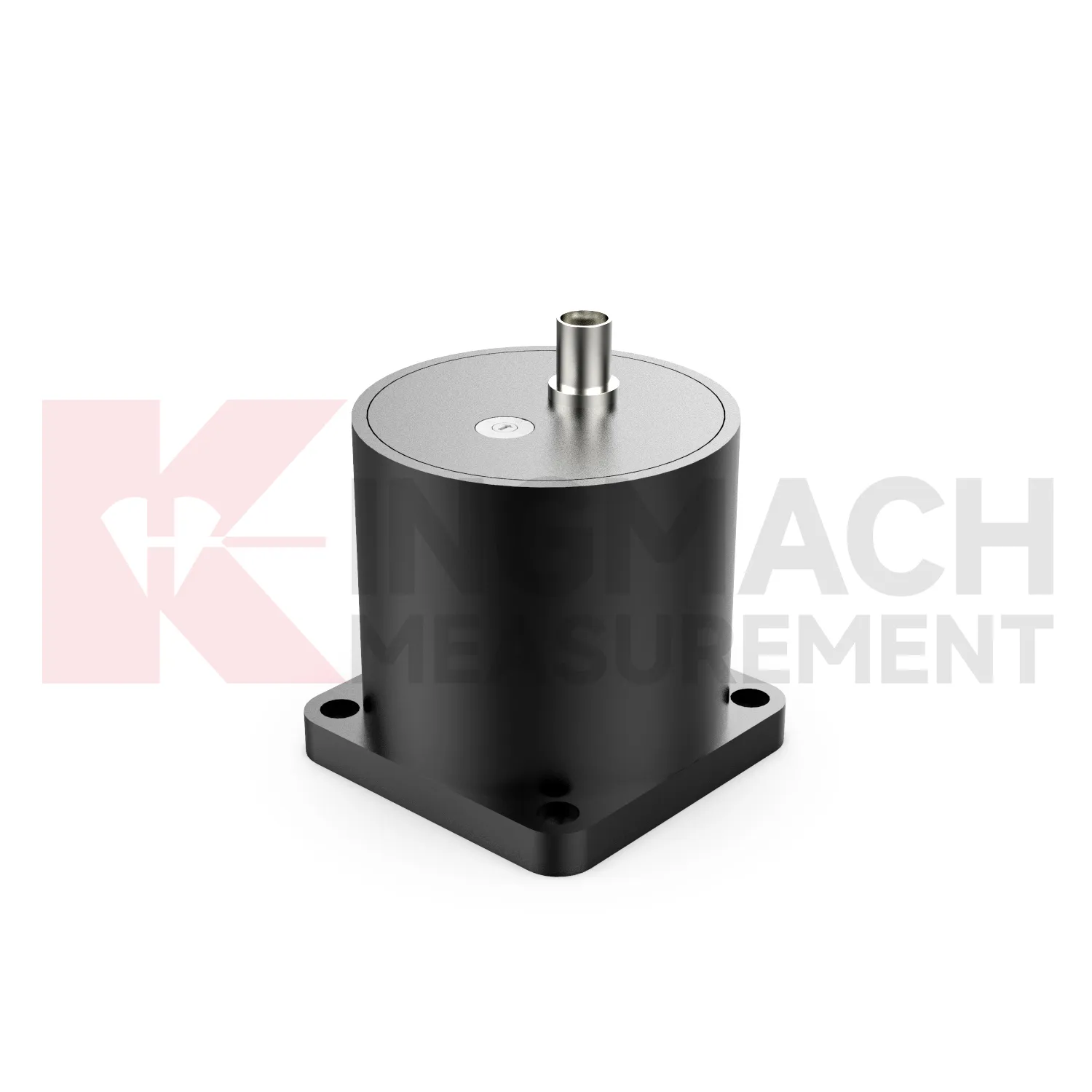
Application of Magnetoelectric Vibration Pickup
Machinery and industrial structures use Kingmach Magnetoelectric Vibration Pickup to record motion from rotating equipment, impact work, production lines, foundations, and support frames. The goal may be comfort, safety, fatigue review, machine condition, or structural response. A sensor should be mounted on a surface that carries the actual vibration, not on a loose cover or secondary panel. The record should note machine state, speed setting, operating cycle, and any maintenance event. Acceleration data is most useful when the engineer can compare normal operation with a changed vibration pattern. If the record is reviewed with noise, temperature, load, and maintenance notes, it can help identify whether a change came from the machine, its foundation, or the surrounding structure.
Industrial monitoring also needs a clear operating baseline. A production line during start-up, steady operation, shutdown, or maintenance may produce different motion. The report should say which condition was measured so a later change is not confused with a normal operating phase.
For machinery foundations, the sensor position should avoid covers, handrails, and panels that vibrate differently from the base. If maintenance changes the machine alignment, support, or operating speed, that note belongs beside the next vibration record.
Repeated measurements should use comparable operating conditions whenever possible. If the plant changes process speed, adds equipment, repairs a foundation, or changes nearby supports, the vibration trend should be reviewed with that history before any judgment is made.
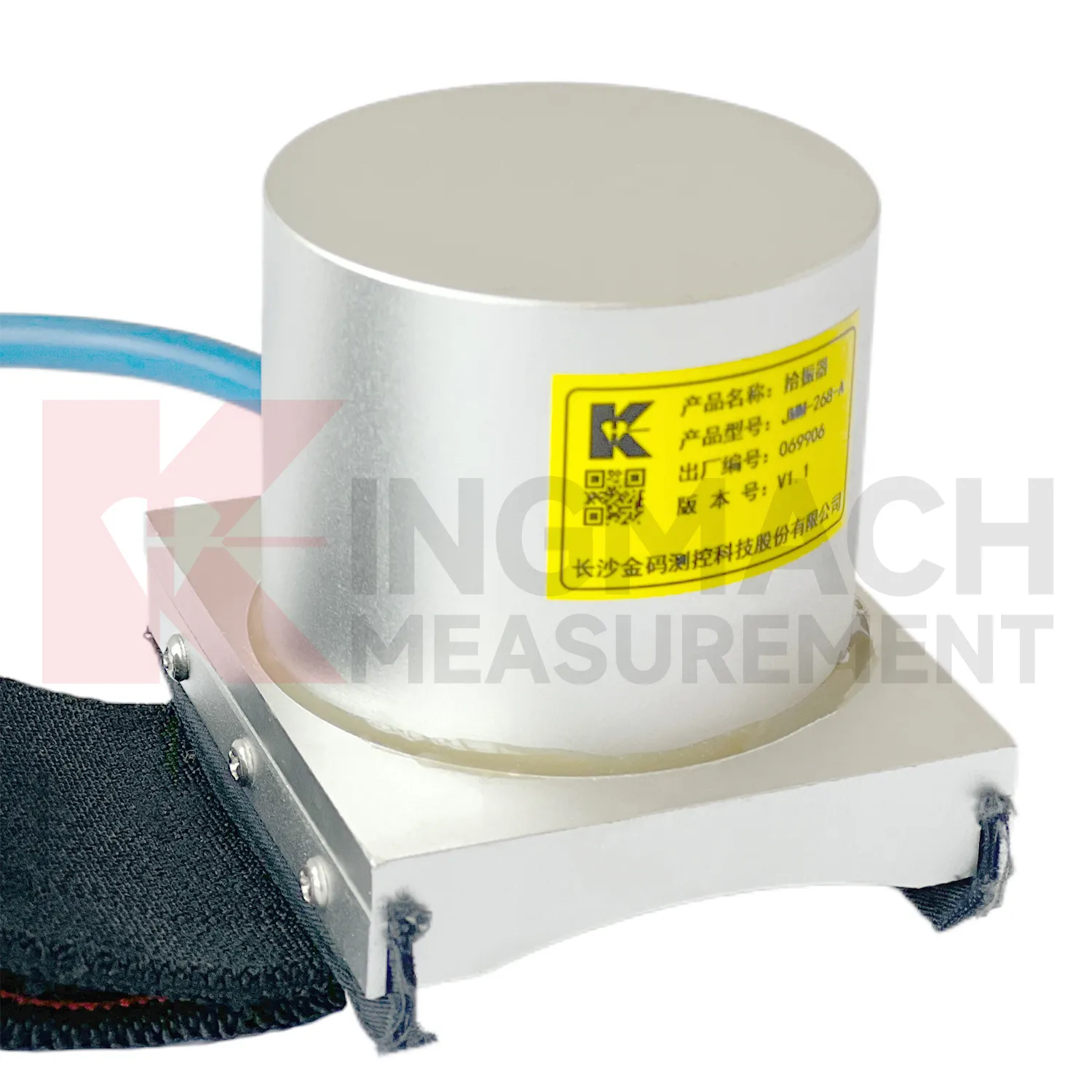
The future of Magnetoelectric Vibration Pickup
The future of Kingmach Magnetoelectric Vibration Pickup will make long-term asset records more useful. Dynamic response can change as a bridge ages, a cable is adjusted, a machine foundation settles, or a building is modified. When acceleration records are stored with event notes, maintenance history, and related sensor data, owners can compare present behavior with past behavior. That long view helps separate one-time events from gradual change. A mature monitoring record turns vibration measurement into part of asset management. It also helps teams decide whether to inspect, continue observing, adjust equipment, or compare a new event with an earlier one.
Future asset records should preserve examples of normal behavior, not only alarms. A bridge, tunnel, machine base, or building floor may have a familiar vibration pattern during routine operation. Keeping those examples helps reviewers judge whether a later event is genuinely new.
This long view also supports budgeting. If certain points show repeated events after maintenance, weather, or operating changes, owners can plan inspection and repair work around evidence rather than reacting to isolated traces.
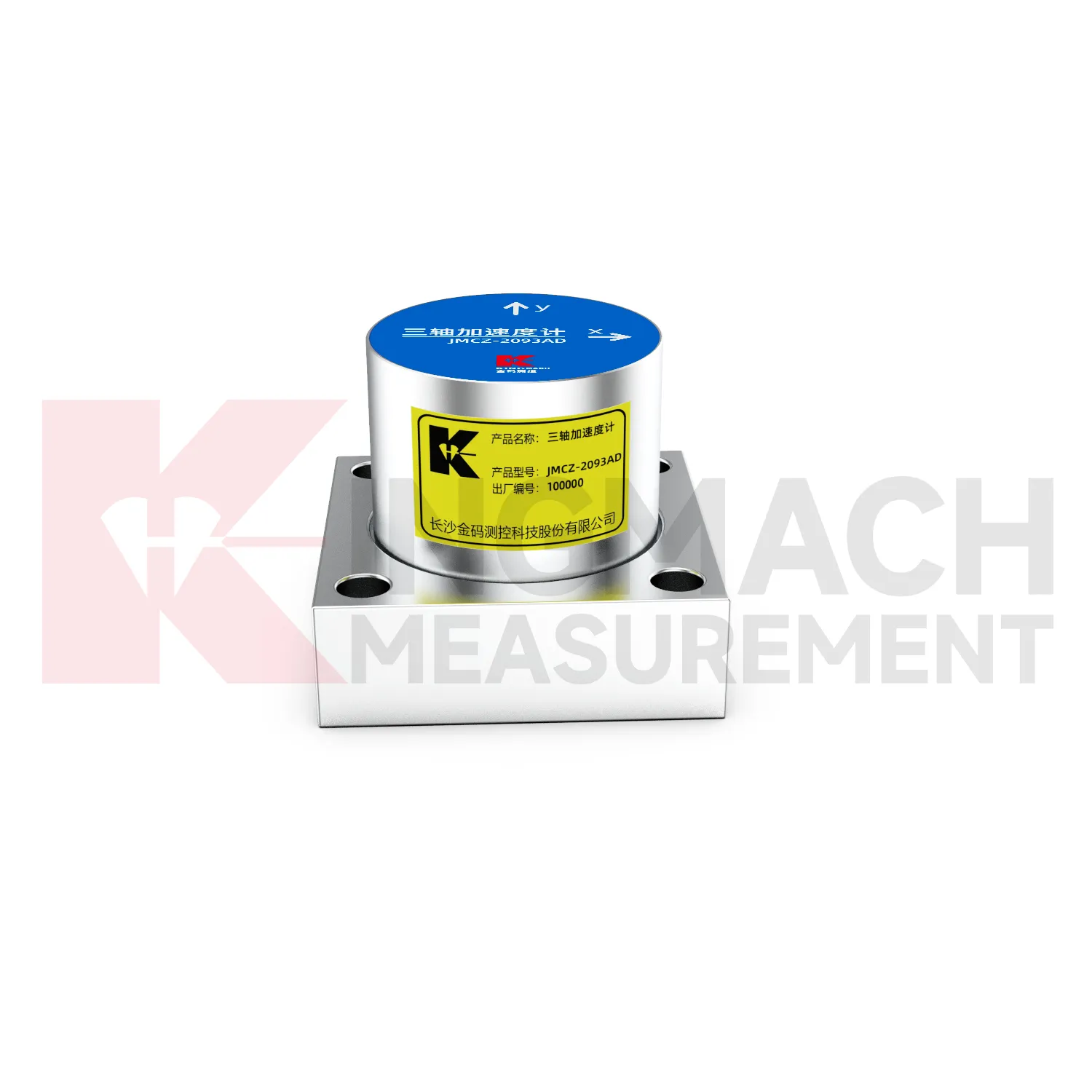
Care & Maintenance of Magnetoelectric Vibration Pickup
Data review is part of maintaining Kingmach Magnetoelectric Vibration Pickup. Look for impossible jumps, flatlines, clipping, repeated noise, missing events, or disagreement between nearby sensors. Compare acceleration records with strain, displacement, tilt, wind, traffic, machinery state, or construction logs when possible. A vibration trace should not be judged in isolation. If an alarm appears, first confirm sensor condition, mounting, cable status, event timing, and related records. This disciplined review helps teams separate real structural response from measurement trouble. It also gives maintenance teams a clear path for deciding whether to inspect the point or the asset.
Reviewers should keep a short decision note with abnormal records. The note can state whether the event matched expected operation, whether another sensor confirmed it, whether field inspection was requested, and whether the point itself needed maintenance. That note is often more useful later than a raw curve alone.
For recurring vibration, trend review should compare similar operating conditions rather than unrelated events. A train passage, machine start-up, blast, and wind event should not be mixed into one judgment unless the report explains why they are comparable.
Kingmach Magnetoelectric Vibration Pickup
Kingmach Magnetoelectric Vibration Pickup are useful because dynamic behavior often appears before visible damage. A bridge cable may change vibration frequency, a building floor may respond to nearby machinery, a tunnel structure may react to blasting, and a flexible structure may move slowly but with large amplitude. Static instruments can show position or strain, but acceleration records show motion. When time history, frequency, and event context are kept together, engineers can compare normal operation with abnormal response. The data becomes stronger when linked with displacement, tilt, load, strain, settlement, wind, temperature, and inspection notes. This wider view helps teams avoid treating every vibration as a fault while still noticing changes that deserve a field check.
If the reading changes suddenly, the first check should include the sensor attachment, cable route, connector, channel name, and recent field activity. This prevents a maintenance issue from being mistaken for structural behavior.
Long-term monitoring benefits from repeatable procedure. When the same point, direction, event definition, and analysis method are preserved, new vibration records can be compared with earlier records in a defensible way.
FAQ
Q: How do Kingmach Magnetoelectric Vibration Pickup fit into a monitoring platform?
A: They provide the dynamic response layer alongside displacement, settlement, strain, load, tilt, environmental, and inspection data.
Q: What should a buyer define before ordering?
A: Define the motion to capture, structure type, location, axis direction, acquisition method, analysis need, and maintenance access.
Q: Do all projects need three-direction measurement?
A: No. Some need a focused direction, while others need multi-direction records because the movement source is uncertain.
Q: Why is low-frequency response important?
A: Ground pulsation, flexible structures, and slow dynamic movement may require sensors and acquisition settings suited to low-frequency behavior.
Q: What makes long-term acceleration data useful?
A: Stable installation, clear event records, consistent analysis, visible maintenance notes, and comparison with related sensors make it useful.
For owner handover, the file should include point photos, axis labels, acquisition settings, related structural channels, and examples of normal behavior. That helps future reviewers understand whether a later event is unusual.
Reviews
David Wilson
We purchased displacement transducers and settlement sensors, and the quality exceeded our expectations. Easy installation and reliable performance.
Andrew Lee
The visualization software is intuitive and powerful. It helps us analyze monitoring data efficiently.
Latest Inquiries
To protect the privacy of our buyers, only public service email domains like Gmail, Yahoo, and MSN will be displayed. Additionally, only a limited portion of the inquiry content will be shown.
Ava***@gmail.comAustralia
Hi, I am looking for reliable tiltmeters and accelerometers for structural health monitoring. Please...
Isabella***@gmail.comGermany
Hello, we are evaluating weir flow meters for a water management project. Please share accuracy deta...
Related product categories
- industrial vibration sensors
- vibration monitoring sensor
- vibration sensors industrial
- vibration measurement sensor
- ground vibration sensor
- machine vibration sensor
- vibration sensors for industrial applications
- accelerometer sensor for vibration measurement
- vibration sensor application
- Acceleration Sensor
- Vibration Velocity Sensor
- Magnetoelectric Velocity Sensor